







The Rise of the Digital Detox
It’s a familiar scene in Mumbai, Bengaluru, or Delhi: professionals tethered to their screens, navigating bustling careers in a hyper-connected economy. India has over 800 million internet users, a number that has exploded in the last decade. But this
digital saturation is creating a powerful counter-current. A significant and growing number of Indian travelers, particularly urban millennials and Gen Z, are actively seeking 'digital detox' or 'screen-free' vacations. This isn't just about not checking work email; it’s a conscious decision to leave laptops at home, put smartphones in a lockbox upon arrival at a resort, and engage directly with the world. Tour operators and wellness retreats are increasingly marketing packages built around this very concept, trading Wi-Fi passwords for promises of silence, nature, and genuine human connection.
From Burnout to the Backwaters
The primary driver behind this trend is unmistakable: burnout. India's thriving tech and corporate sectors demand long hours and constant availability, blurring the lines between work and life. The relentless pings of WhatsApp groups and the endless scroll of social media have led to a collective sense of digital fatigue. For many, the only true way to reset is to create physical distance from their devices. This desire for disconnection is pushing travelers away from typical tourist hotspots and toward experiences that force them to be present. The goal is no longer just to see a new place, but to feel it—to hear the birds in a Himalayan forest, to feel the rhythm of a canoe in Kerala's backwaters, or to simply read a book in a hammock without the urge to post a picture of it.
Destinations of Disconnection
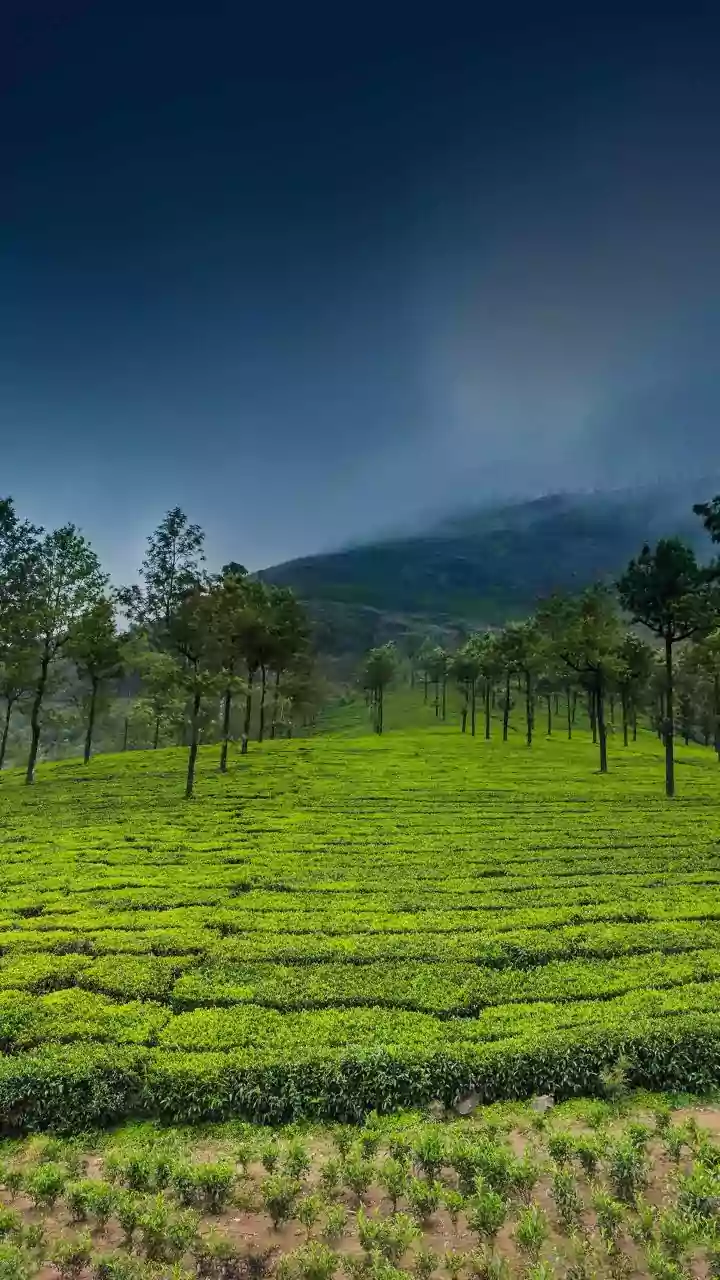
So, where are these travelers going to unplug? The destinations are as diverse as India itself. The Himalayas are a major draw, with trekking routes in states like Himachal Pradesh and Uttarakhand offering stunning vistas and, conveniently, spotty to non-existent cell service. Ashrams and yoga retreats in Rishikesh have long been centers for spiritual seeking, but they are now also seen as premier destinations for mental decluttering. In the south, wellness resorts nestled in the lush Western Ghats or along Kerala's tranquil backwaters provide curated detox programs that often include Ayurvedic treatments, meditation, and a strict no-device policy. Even wildlife sanctuaries like Jim Corbett National Park are becoming popular, as the focus shifts from capturing the perfect tiger photo to simply being immersed in the natural world. These places don't just lack connectivity; they offer a compelling alternative to it.
A Universal Longing for Reality
While this trend is taking a distinct shape in India, the sentiment behind it is universal. It mirrors the 'dopamine fasting' trends in Silicon Valley and the rise of off-grid cabin rentals across Europe and the United States. It speaks to a global realization that while technology has connected us in countless ways, it can also isolate us from our immediate surroundings and from ourselves. The Indian screen-free movement is a powerful reminder that in any culture, no matter how fast it digitizes, there's a fundamental human need to occasionally log off and look up. It’s not an outright rejection of technology, but rather a search for balance—a deliberate effort to reclaim attention and experience travel not through a screen, but with all five senses.