




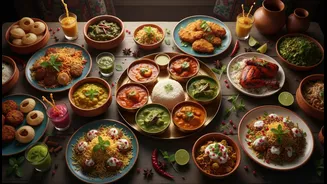



From Sightseer to Taste-Seeker
Not long ago, a domestic holiday was a checklist of forts, temples, and famous viewpoints. Today, a new generation of Indian travellers is driven by a different kind of hunger. They are seeking experiences that go beyond the visual, wanting to taste,
smell, and connect with a destination. A recent study noted that for a vast majority of Indian travellers, food now shapes their choice of destination. This shift marks the rise of culinary tourism, where the main attraction is not a monument, but a meal. It's a move from being a passive tourist to an active participant in a region's culture. Travellers are increasingly looking to explore regional specialties and ancient culinary traditions, making states like Kerala, Rajasthan, and Punjab prime destinations for food lovers.
Authenticity on the Menu
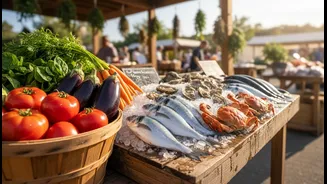
This trend isn't about fine-dining restaurants that offer pan-Indian menus. It's about authenticity. Travellers are craving real, local experiences, which has led to a boom in food-centric activities. Food walks through the narrow lanes of Old Delhi, discovering Chaat and Kebabs, are becoming as popular as a visit to the Red Fort. In Goa, pub crawls centred on the local spirit Feni are offering a taste of the state's unique Indo-Portuguese history. These experiences are often led by local guides and support small, family-run eateries, ensuring the money spent benefits the community directly. It's a form of tourism that preserves culinary heritage while creating genuine connections between visitors and locals.
The Rise of the Farm Stay
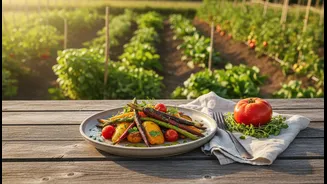
For the ultimate immersive experience, travellers are heading to the source. Agri-tourism is a fast-growing segment where visitors stay on working farms. Here, the journey of food from soil to plate is not a concept but a lived reality. Guests can participate in milking cows, harvesting vegetables, and then learning to cook traditional dishes with the farm-fresh produce. States like Maharashtra, which pioneered the agri-tourism model in India, now offer numerous farm stays where urban families can escape city life. These stays provide a rustic, authentic experience—think waking up to fresh air, eating meals cooked on a traditional stove, and learning about sustainable farming practices. It's an educational and grounding experience that connects people back to the land and the food it provides.
A Plateful of Economic Benefits
The focus on food is more than just a passing trend; it's a significant economic driver. The Indian culinary tourism market is projected to grow substantially, reaching billions of dollars in the coming years. This growth generates revenue for a wide range of businesses, from street vendors and local guides to cooking schools and boutique hotels. Food-focused travellers often spend a significant portion of their budget on culinary experiences. This spending has a powerful ripple effect, boosting local economies and providing livelihoods. By creating value around traditional recipes and indigenous ingredients, culinary tourism also encourages the preservation of cultural heritage that might otherwise be lost.
The New Indian Souvenir
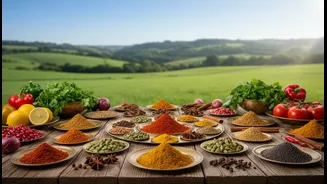
As this trend evolves, it's clear that the way we think about travel is changing. The best souvenir from a trip is no longer a trinket, but a recipe or a flavour that you carry home with you. This desire for immersive experiences is being met by a host of specialized tour operators who curate everything from spice plantation tours in Kerala to royal thali experiences in Rajasthan. These curated journeys allow travellers to dive deep into a region's culinary soul, offering everything from cooking classes with home cooks to guided market visits. This is travel that engages all the senses, creating memories that last long after the meal is over.