


The Cost Revolution: Reusable Rockets
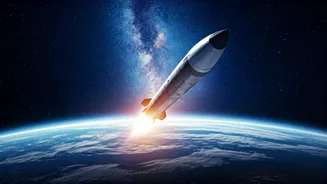
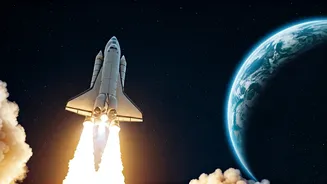
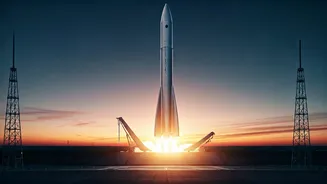
The single biggest driver behind the commercial space boom is the dramatic reduction in launch costs, pioneered by companies like SpaceX. Historically, rockets were single-use, meaning the entire multi-million-dollar vehicle was discarded after one flight—akin
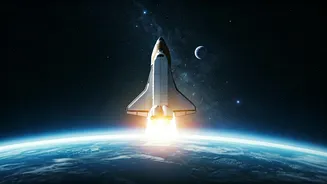
to throwing away an airplane after its first trip. The advent of reusable rockets, like SpaceX's Falcon 9, has transformed the economics of space access. By recovering and relaunching the most expensive parts of the rocket, companies can slash the cost per launch by up to 60%. This has brought the price of sending payloads to orbit down from over $10,000 per kilogram to as low as $2,500 per kilogram, making space accessible to a much wider range of players, including startups and universities.
A New Role for Government: From Operator to Customer
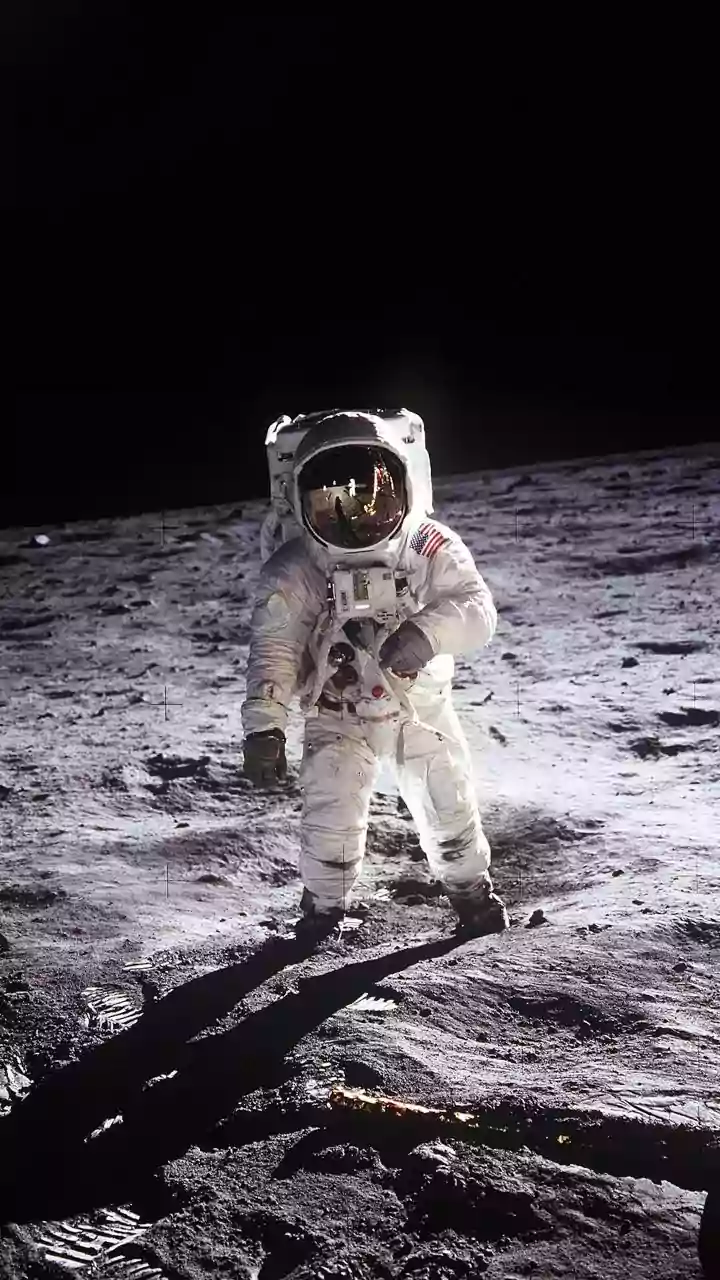
Governments, particularly NASA in the United States, have played a crucial role in nurturing this new commercial ecosystem. Instead of building and operating all its own spacecraft, NASA is increasingly acting as an anchor customer, purchasing services from private companies. The Commercial Crew Program, for example, contracts with SpaceX to ferry astronauts to the International Space Station (ISS), saving taxpayer money and allowing NASA to focus its resources on deep-space exploration like the Artemis missions to the Moon. This public-private partnership model provides a stable market for commercial companies, encourages competition, and signals to private investors that space is open for business. This shift prevents NASA from relying on other nations for rides to space and fosters a robust domestic industry.
The Indian Takeoff: A New Space Hub
This global trend is strongly mirrored in India, where the space sector is undergoing a rapid transformation. For years, the Indian Space Research Organisation (ISRO) was the sole driver of the nation's space ambitions. However, in 2020, the government opened up the sector to private participation, establishing the Indian National Space Promotion and Authorisation Center (IN-SPACe) to facilitate private enterprise. This has led to a boom, with the number of private space startups surging to over 400 by 2024. Companies like Skyroot Aerospace, which launched India's first private rocket, and Agnikul Cosmos are developing their own launch vehicles. The government is further accelerating this by planning to transfer its reliable Polar Satellite Launch Vehicle (PSLV) technology to private firms, aiming to make India a global hub for small satellite launches. Projections show India's space economy could grow fivefold to $44 billion by 2033.
New Markets in the Final Frontier
Cheaper access to space has unlocked a wave of new commercial opportunities that were previously science fiction. The most prominent is the creation of massive satellite internet constellations, like SpaceX's Starlink, which aim to provide global broadband connectivity. Other emerging markets include space tourism, with companies like Blue Origin and Virgin Galactic offering suborbital flights. Looking further ahead, commercial ventures are exploring in-space manufacturing, which takes advantage of the microgravity environment, and the ambitious goal of asteroid mining for rare minerals. These new business models are creating a vibrant, multi-trillion-dollar space economy that extends far beyond traditional launch services.