
A Sweet With Divine Connections
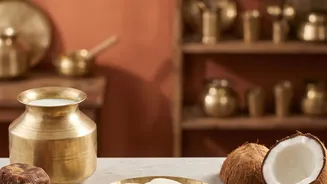
The story of the Mathura Peda is inseparable from the city's identity as the birthplace of Lord Krishna. For centuries, milk and dairy products have been central to the region's culture and cuisine, reflecting Krishna's own legendary love for butter and milk.
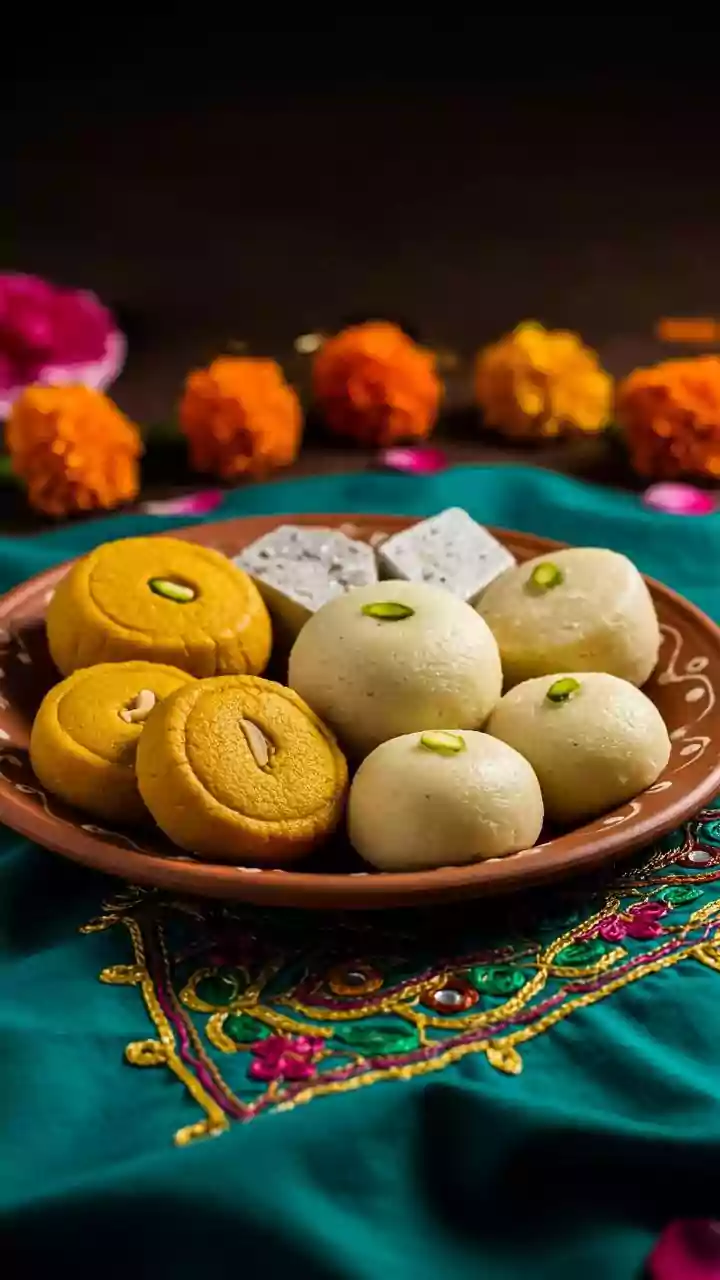
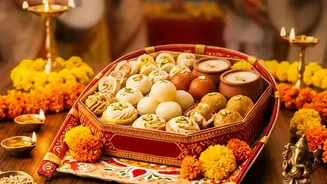
The peda is not just a commercial sweet; it is a vital part of spiritual life, traditionally offered to the deity as 'prasad' and then shared among devotees. This sacred role means that its preparation is a responsibility, a culinary tradition passed down through generations of 'halwais' (sweet makers) who are committed to authenticity. This deep-rooted connection explains why 'Mathura ka Peda' has become a brand in itself, a phrase immortalized in folklore and songs.
The Foundation: Pure Milk Solids
At the core of every genuine Mathura Peda is 'khoya', also known as 'mawa'. Khoya is not just an ingredient; it is the soul of the sweet. It is made by simmering fresh, full-fat milk in a large, open pan for hours, a patient process that slowly evaporates the water content, leaving behind only the concentrated milk solids. This foundational element is what gives countless Indian sweets their rich, indulgent character. Unlike shortcuts that use milk powder, the traditional method of creating khoya from scratch is non-negotiable for achieving the authentic taste and structure. The quality of the milk, often sourced from local cows in the Braj region, is believed to contribute significantly to the final flavour.
Why Freshness Is Everything
The single most critical factor that distinguishes an exceptional peda is the freshness of the khoya. While pre-made or aged khoya is available, traditionalists insist on using a batch made the very same day. Fresh khoya has a specific moisture content and a soft, slightly crumbly consistency that is lost over time. This freshness is crucial for the subsequent steps. When roasted, fresh milk solids release their natural fats and sugars in a unique way, allowing for perfect caramelization. Aged or dry khoya, by contrast, can result in a pasty or overly dry sweet, failing to produce the desired texture. For this reason, authentic peda makers prepare just enough khoya for the day's production, ensuring every piece starts with the best possible foundation.
The Art of Roasting
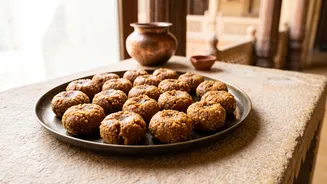
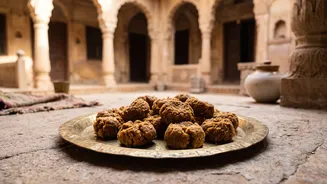
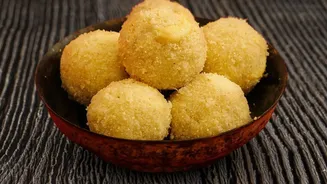
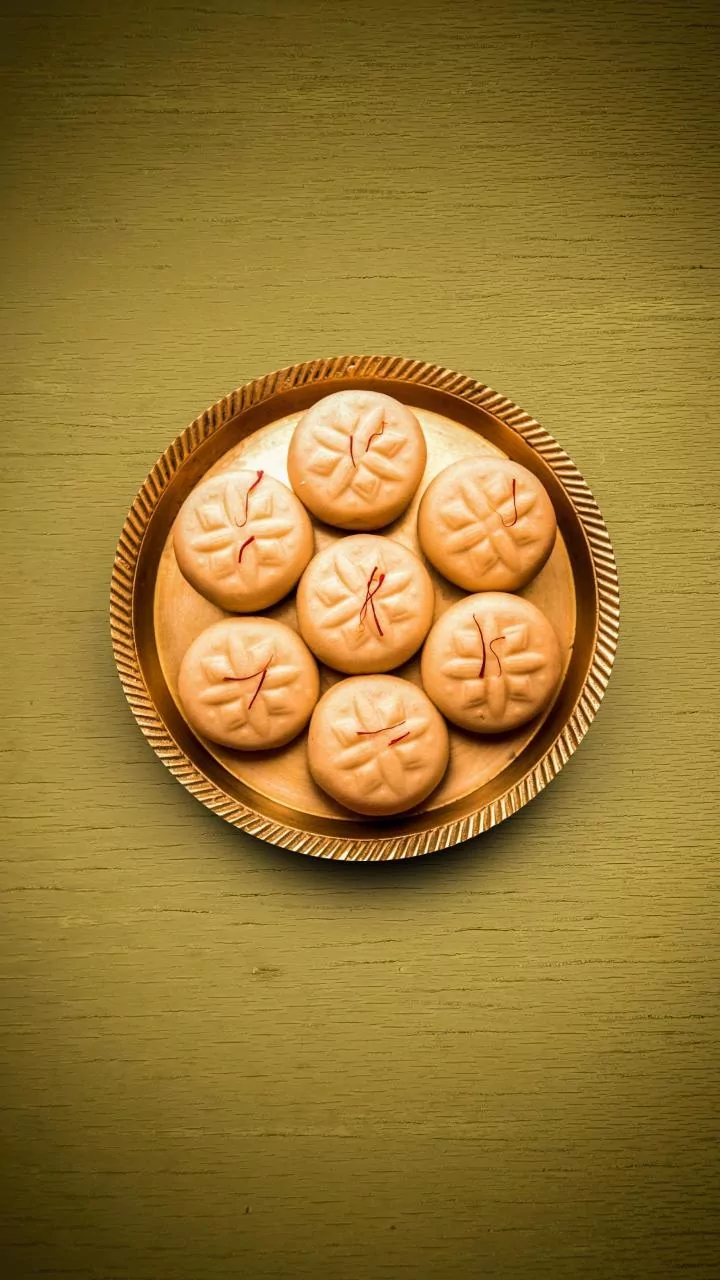
What gives the Mathura Peda its characteristic brownish hue and granular feel is the painstaking process of roasting the khoya. The fresh milk solids are placed in a heavy-bottomed 'kadai' and gently roasted on a low flame. This isn't a quick browning; it's a slow, meticulous 'bhun-na' process that can take a significant amount of time, requiring constant stirring to prevent scorching. As the khoya roasts, the milk sugars caramelize, transforming its colour from off-white to a rich, golden brown and developing a deep, nutty aroma. This slow cooking is what creates the sweet's signature slightly grainy, crumbly, and melt-in-your-mouth quality, a texture that is completely distinct from the smoother, softer pedas found elsewhere.
Texture as a Mark of Identity
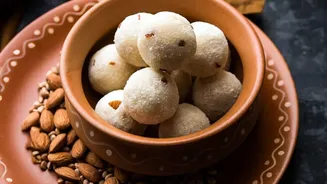
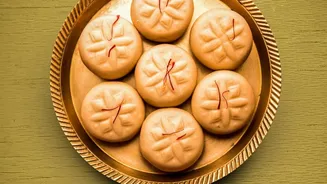
The final texture is the peda's ultimate signature. It is not perfectly smooth like a barfi, nor is it chewy. It is uniquely soft yet grainy. After roasting, the caramelized khoya is cooled slightly before 'tagar' (a type of unrefined powdered sugar) and cardamom are mixed in. Using tagar instead of fine sugar is also key, as its crystalline structure contributes to the final granular mouthfeel without being gritty. The mixture is then rolled into balls, often coated in a final dusting of sugar. This entire process, from simmering the milk to the final shaping, is a testament to the idea that texture is just as important as taste. It’s a craft that has made the sweet an icon worthy of a Geographical Indication (GI) tag, for which an application has been filed to protect its unique heritage.