

Upma is a beloved Indian breakfast, but it can sometimes feel a bit plain. If you're looking to elevate this simple, savoury porridge, a few key techniques can introduce a world of vibrant colour and satisfying texture to every spoonful.
The Foundation: Roasting Rava Correctly
The secret to
a fluffy, non-sticky upma begins before any water is added. The texture is fundamentally determined by how you treat the rava (semolina). Always dry roast the rava in a heavy-bottomed pan on a low to medium flame. Stir continuously for 5-7 minutes until it becomes fragrant and the grains feel light and separate. This crucial step prevents the rava from becoming gummy and ensures it absorbs water evenly, resulting in distinct, fluffy grains instead of a pasty porridge. You can even roast a large batch of rava in advance and store it in an airtight container to save time on busy mornings.
Building Flavour and Colour with Tempering
The 'tadka' or tempering is where the first layer of flavour and visual appeal begins. Heat ghee or a neutral oil in a pan and add mustard seeds, letting them pop completely. Follow this with urad dal and chana dal, roasting them until they turn a light golden brown. This not only adds a beautiful colour but also introduces a delightful crunch. Next, add chopped green chillies, grated ginger, and a sprig of curry leaves, which infuse the oil with their aroma. For an extra pop of colour and a subtle, earthy flavour, a pinch of turmeric can also be added at this stage.
Adding a Rainbow of Vegetables
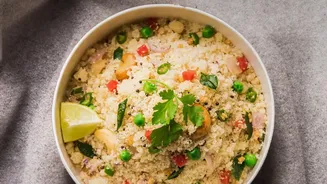
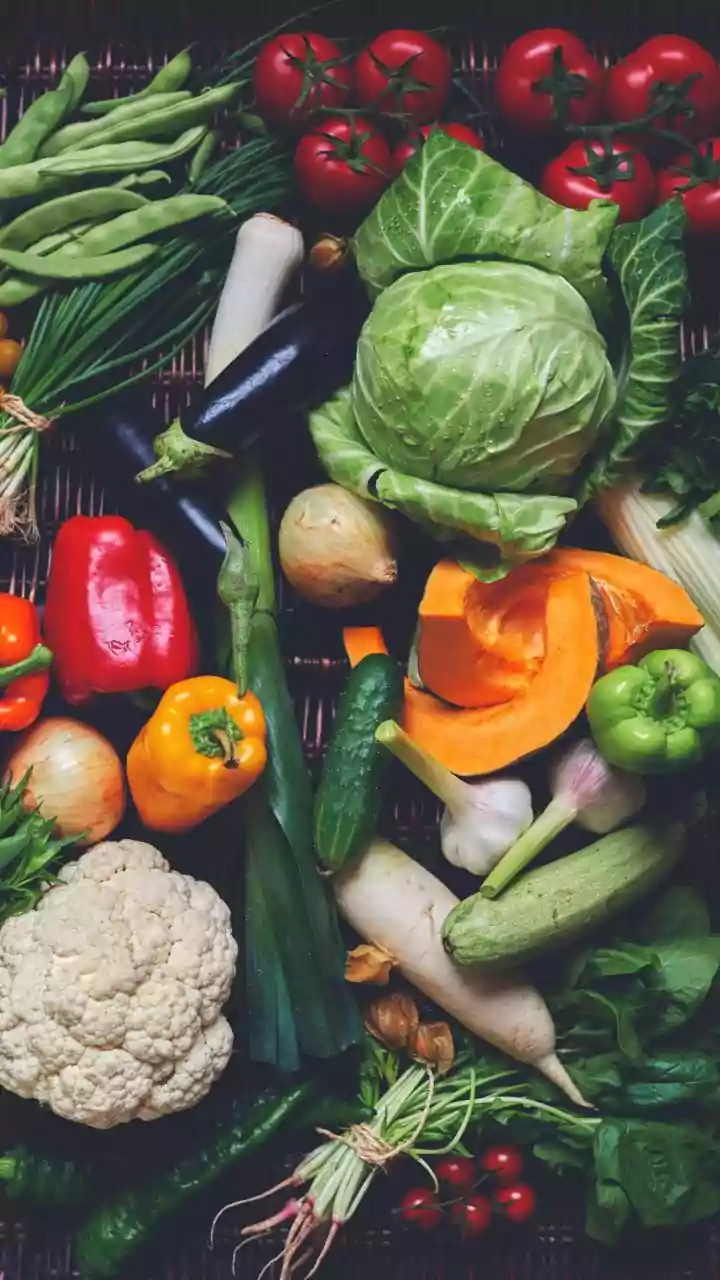
Vegetables are the easiest way to pack your upma with colour, nutrients, and varied textures. Finely chopped onions are a classic starting point, sautéed until translucent. From there, let your creativity and fridge guide you. Finely chopped carrots add sweetness and a vibrant orange hue, while green peas provide bursts of colour and a soft bite. Other excellent additions include finely chopped green beans, bell peppers (capsicum) of all colours, sweet corn, and even small cauliflower florets. The key is to chop the vegetables finely and uniformly so they cook quickly and evenly. Add harder vegetables like carrots and beans first, followed by quicker-cooking ones like peas and capsicum.
Creating Textural Twists
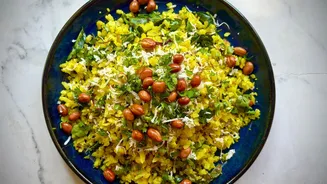
Beyond the softness of the rava and vegetables, other ingredients can create wonderful textural contrasts. Roasting a handful of cashews or peanuts in the tadka until they are golden adds a rich, nutty crunch to the final dish. The lentils used in the tempering (urad and chana dal) also provide a pleasant bite. For a more substantial feel, you can experiment with different types of rava. Coarser 'Bombay Rava' is often recommended for a fluffier, more distinct grain texture compared to very fine rava. Some variations even use broken wheat (dalia) or flattened rice (poha) as the base for a completely different textural experience.
The Finishing Touches: Garnishes and Acidity
How you finish the upma can make all the difference. Once cooked, a final stir with a spoonful of ghee adds richness, aroma, and a beautiful sheen. A generous sprinkle of freshly chopped coriander leaves lends a fresh, green vibrancy. For a bright, tangy flavour that cuts through the richness, a squeeze of fresh lemon juice just before serving is essential. Some cooks also like to top their upma with freshly grated coconut for moisture and a subtle sweetness, or even some crunchy sev for a final textural surprise.