



The New Lunar Gold Rush
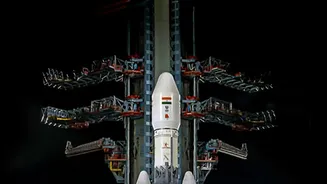
The global space economy is shifting. For decades, lunar exploration was the exclusive domain of national space agencies with colossal budgets. Today, a new chapter is being written, not by superpowers alone, but by agile, ambitious startups. In India,
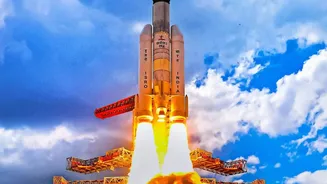
the resounding success of the Indian Space Research Organisation (ISRO) has ignited a vibrant private space ecosystem. The government's decision in 2020 to open the sector to private players has catalyzed this movement, transforming the landscape from a handful of suppliers to a bustling hub of over 400 startups by 2026. These companies are not just dreaming; they are building, testing, and preparing to launch. Their goal is to make access to the Moon cheaper, faster, and more frequent, moving beyond one-off missions to create a sustainable commercial presence.
Pioneers of the Private Space Age
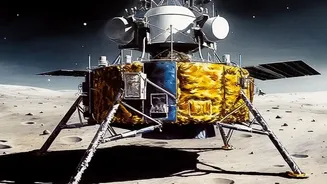
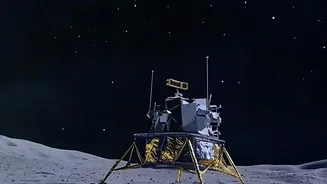
Several Indian companies are at the forefront of this lunar charge. One of the earliest pioneers was TeamIndus, a Bengaluru-based startup that emerged from the Google Lunar XPRIZE competition. Though the prize went unclaimed, TeamIndus developed crucial lander and rover technology, including a lightweight rover named 'ECA' (Ek Choti Si Asha, or 'A Small Hope'). This early work has not been in vain. The experience gained is now being channelled through new ventures and collaborations. For instance, ORBITBeyond, which is establishing a major space systems center in India, is drawing on the expertise of engineers from programmes like Chandrayaan to design and build lunar landers and rovers in-house for global missions. Another name to watch is Kepler Aerospace, whose co-founder has a background in developing a lunar nano-rover.
What 'Low-Cost' Really Means
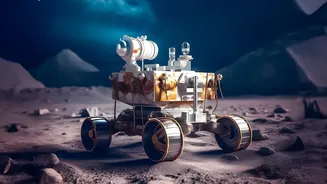
The term "low-cost" in space exploration is relative, but Indian startups are making it a reality through a philosophy of frugal innovation, or 'jugaad', on an interplanetary scale. This isn't about cutting corners but about smart engineering. One key strategy, inspired by ISRO's own playbook, is to rely on proven, existing technologies and components rather than designing everything from scratch for every mission. Another technique involves using smaller, more efficient rockets and taking longer, gravity-assisted routes to the Moon, which saves enormous amounts of expensive fuel. Furthermore, these new rovers are often smaller and more specialized. Instead of building one large, multi-purpose vehicle, the strategy is to deploy smaller, lighter rovers designed for specific tasks, which drastically reduces mass and, therefore, launch cost.
It's All About the Payload
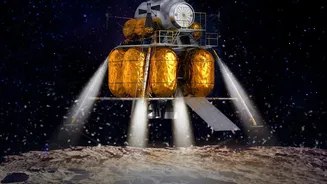
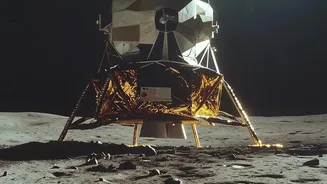
A rover is a vehicle, but its value lies in what it carries. The real business model for these startups is in delivering commercial payloads to the lunar surface. These payloads can be anything from scientific instruments for NASA to mining survey equipment for resource companies or even communication relays. NASA’s Commercial Lunar Payload Services (CLPS) initiative has become a major driver, with the US space agency paying private companies to transport its science and tech to the Moon. This has created a significant market opportunity. For example, TeamIndus was part of a consortium that won a NASA CLPS contract to build a lander. India's signing of the Artemis Accords further opens the door for Indian companies to participate in these global efforts, providing services and integrating their technology into NASA-led missions.
The Final Frontier is Still a Challenge
The path to the Moon is littered with obstacles. Space remains an unforgiving environment, and the technical challenges of landing and operating a rover hundreds of thousands of kilometers away are immense. For startups, the financial challenges are just as daunting. Developing, building, and launching space hardware requires significant capital, and the journey from a prototype to a flight-ready mission is long and expensive. While successes like Skyroot Aerospace's Vikram-1 launch have boosted investor confidence, consistent funding remains a critical hurdle for the entire sector. These companies are not just fighting gravity; they are racing against time and financial burn rates to turn their lunar ambitions into sustainable businesses.