



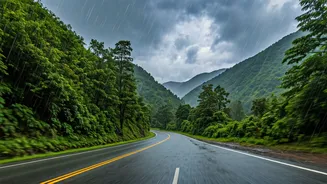



The Monsoon's Powerful Comeback
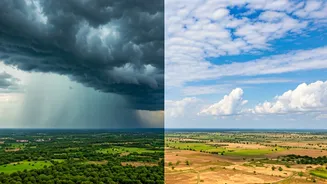
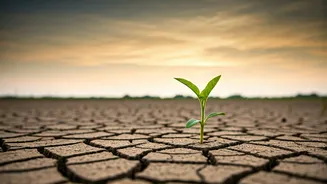
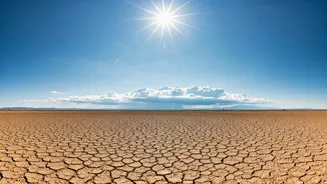
Just when it seemed the monsoon had taken a brief holiday, it has returned with renewed force across large parts of Northwest India. After a 'break' phase in late July and early August, which saw subdued rainfall and rising temperatures, the monsoon has entered
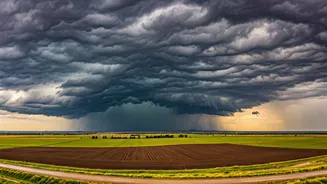
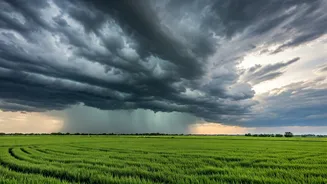
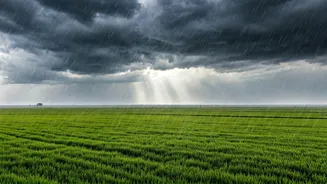
an active phase. The India Meteorological Department (IMD) has forecast a period of intense and widespread rainfall, effectively ending the dry spell. This isn't just a few scattered showers; it's a significant meteorological event characterized by persistent, heavy downpours that are expected to impact daily life, agriculture, and infrastructure across several states. This revival is crucial for replenishing water reservoirs and for kharif crops, but it also brings the imminent threat of waterlogging and flooding, especially in urban centres.
Which Regions Are Most Affected?
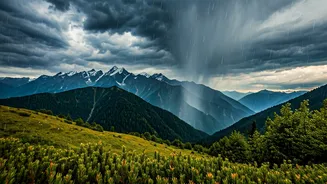
The wet spell is concentrated over the northwestern plains and adjoining Himalayan regions. The IMD has issued alerts for multiple states, including Punjab, Haryana, Chandigarh, and Delhi, which are all bracing for heavy to very heavy rainfall. Western Uttar Pradesh and parts of Rajasthan are also in the line of fire. Furthermore, the hilly states of Himachal Pradesh and Uttarakhand are on high alert for extremely heavy rainfall, which elevates the risk of landslides and flash floods, a recurring danger in this fragile ecosystem during active monsoon spells. The national capital, Delhi, which has experienced a humid and relatively dry period, is now expected to receive several days of consistent rain, potentially leading to the familiar scenes of traffic snarls and inundated low-lying areas.
The Science Behind the Downpour
So, what flipped the switch? The primary driver is the shifting position of the monsoon trough, an elongated low-pressure area that is the lifeblood of the monsoon season. This trough has now moved from its 'break' position near the foothills of the Himalayas southward, settling over the northern plains. Its new position allows it to draw significant moisture from both the Arabian Sea and the Bay of Bengal. This moisture-laden air is then interacting with other weather systems, like western disturbances moving across the northern latitudes. This combination creates the perfect storm for widespread, heavy precipitation. In simple terms, the main engine of the monsoon is now positioned directly over Northwest India, and it's being fed a continuous supply of fuel in the form of moisture, leading to this massive wet spell.
Potential Impacts: Relief and Risks
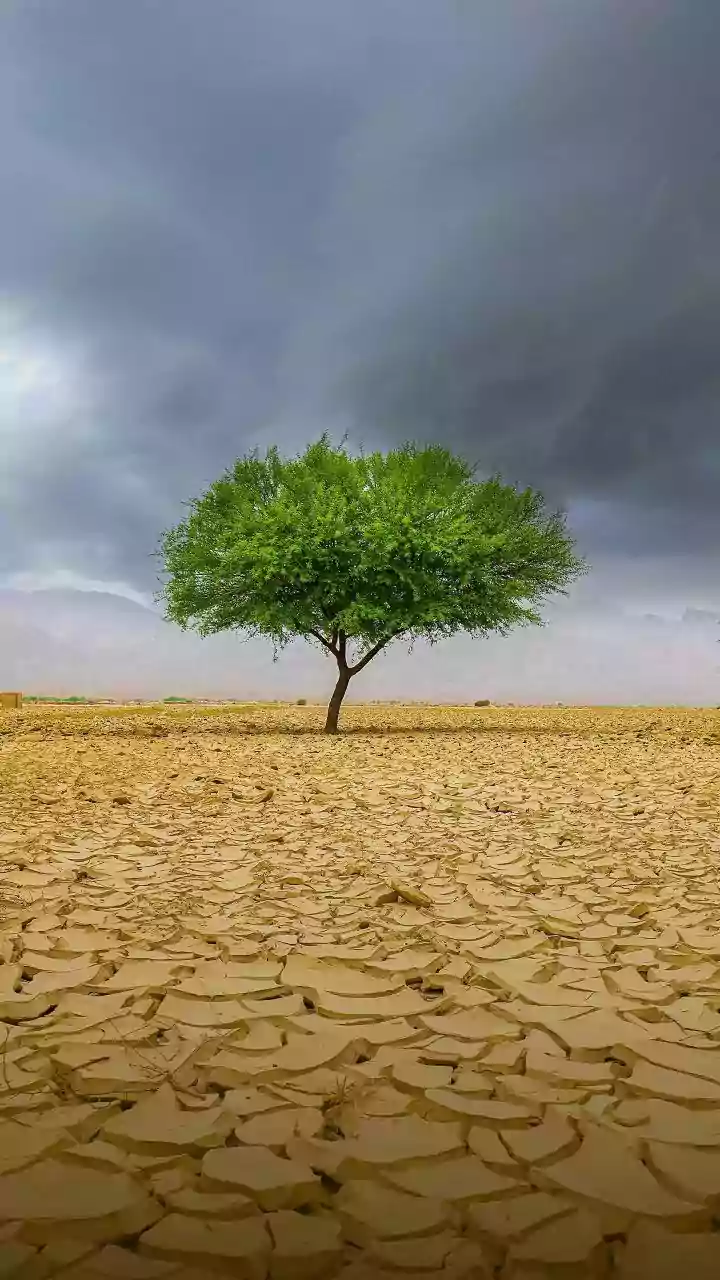
This monsoon revival is a double-edged sword. On one hand, it brings welcome relief from the sultry heat and high humidity that has gripped the region. For farmers, the rain is critical for the growth of paddy, maize, and other kharif crops, particularly in agrarian states like Punjab and Haryana. It will also help improve the rainfall deficit that had developed in some districts. However, the intensity of the downpour carries significant risks. Urban areas are highly susceptible to waterlogging, which can bring cities to a standstill. Civic authorities are on notice to ensure drainage systems are functional. For those living near rivers, particularly in the foothills, the danger of river levels rising rapidly is very real. Authorities have warned residents to stay away from rivers and streams and to be prepared for potential disruptions to power and transport.
What the Forecast Says
According to the IMD, this active monsoon phase is expected to last for several days. The peak intensity of the rainfall is predicted for the next 72 to 96 hours, with various 'orange' and 'yellow' alerts in place, signifying the need for authorities and the public to be prepared. While the intensity might decrease slightly after this initial burst, widespread rain is likely to continue across the region for the better part of the week. Residents are advised to check daily weather updates from official sources like the IMD, avoid unnecessary travel during periods of very heavy rain, and take precautions against water-borne diseases. The situation is dynamic, and staying informed is the best way to navigate the challenges posed by the monsoon's powerful return.