


A Return to Earthen Roots
In the concrete-and-glass landscape of urban India, a quiet movement is taking place. Young professionals and families are consciously choosing to bring a piece of the earth into their homes. Terracotta, the humble baked clay that has been part of Indian
households for centuries, is experiencing a remarkable comeback. No longer confined to traditional village kitchens or garden pots, it is now being celebrated as chic, sustainable, and healthy tableware. This revival isn't just about nostalgia. It’s a deliberate decision to move away from mass-produced plastic towards something more grounded and meaningful. The trend reflects a broader shift in consumer mindset, where the story behind a product, its impact on health, and its connection to craftsmanship are becoming as important as its function.
The Health and Wellness Appeal
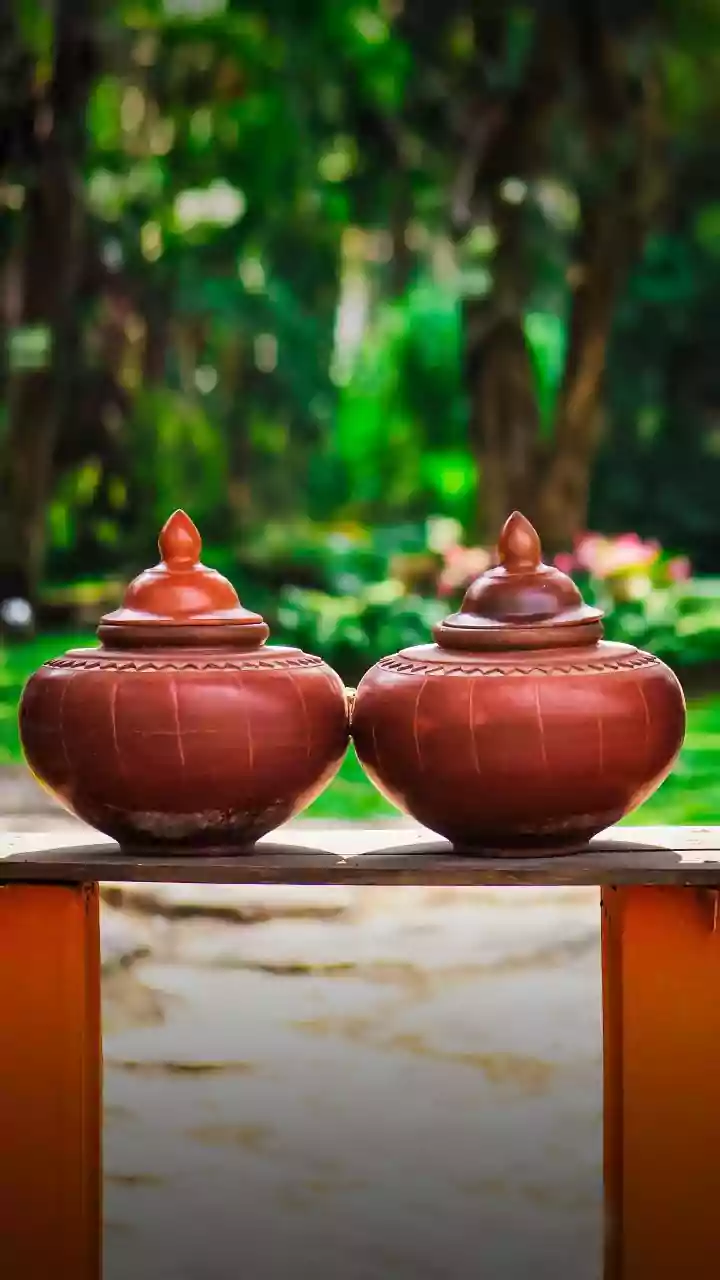
A significant driver behind this switch is growing awareness about health. Concerns over chemicals leaching from heated plastic containers have made many people wary. Terracotta, on the other hand, is a natural, non-toxic material. Its porous nature is believed to offer several benefits. Clay is naturally alkaline, which can help in neutralizing the pH balance of acidic foods, making them easier to digest. Furthermore, the slow and even heat distribution in terracotta cookware can enhance the flavour of food while retaining its moisture and nutrients, often requiring less oil. Water stored in a clay 'matka' or jug stays naturally cool and is often described as being gentler on the throat, a simple but profound wellness upgrade.
An Eco-Conscious and Aesthetic Choice
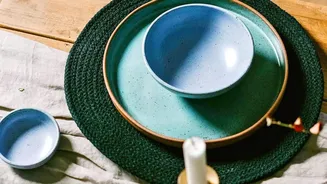
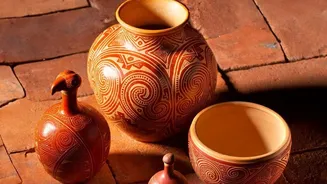
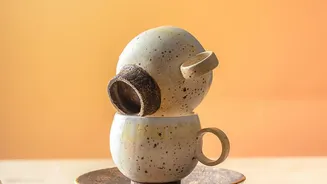
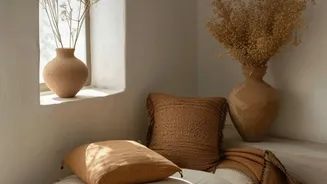
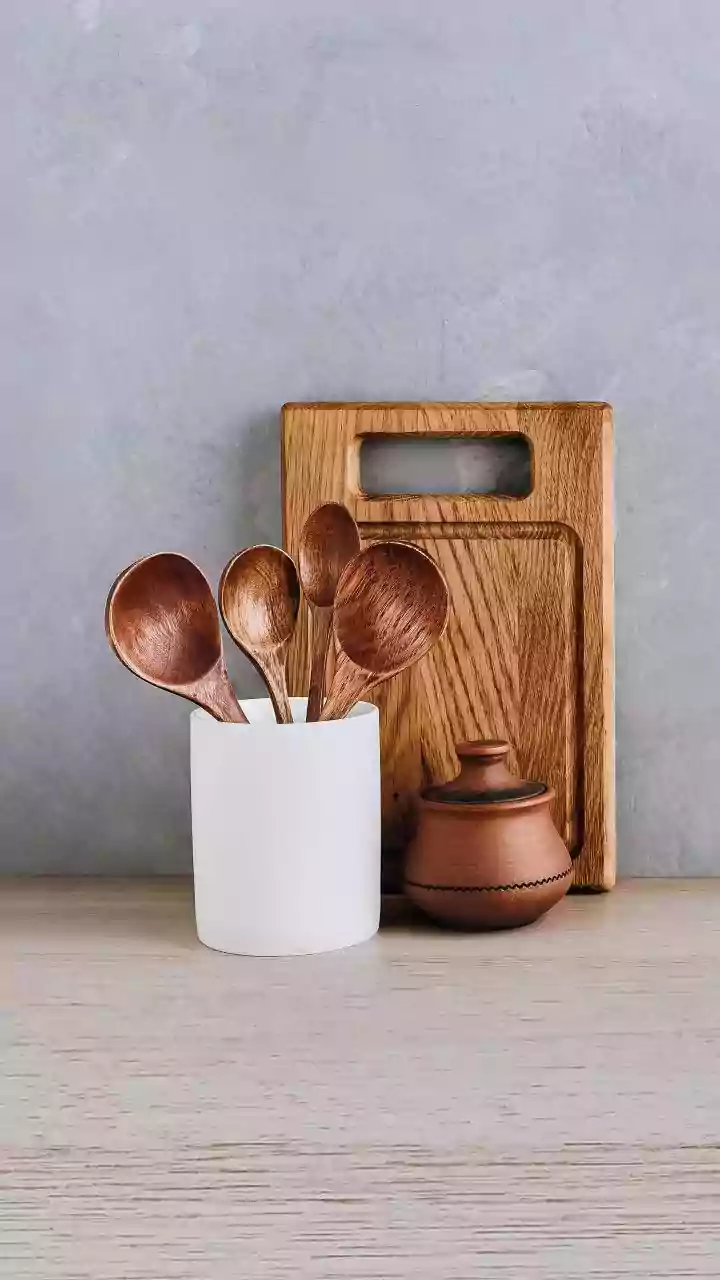
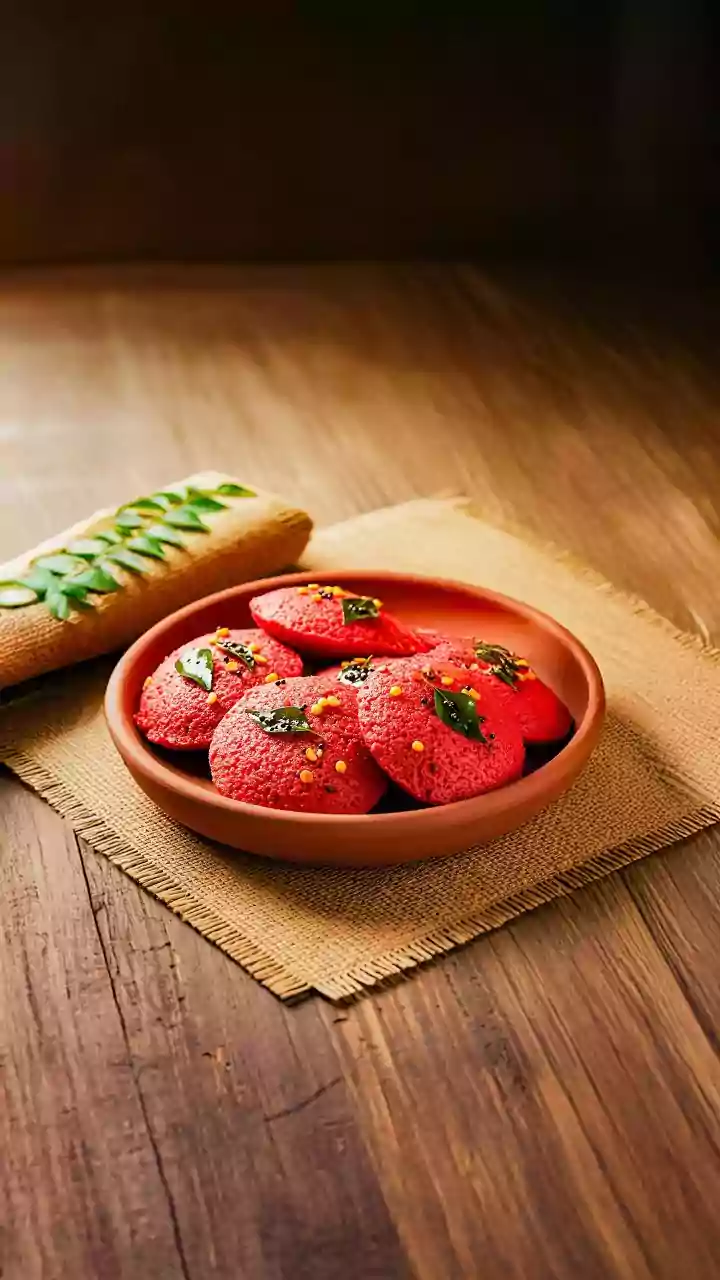
The environmental argument is compelling. Unlike plastic, which can take centuries to decompose and contributes to vast pollution, terracotta is made from natural clay and is biodegradable. Choosing long-lasting, reusable terracotta over disposable or even durable plastic is a tangible step towards a more sustainable lifestyle. Beyond its eco-credentials, terracotta has a strong aesthetic appeal that resonates with modern interior design. Its warm, earthy tones provide a beautiful contrast to the often neutral palettes of contemporary apartments, adding texture and character. Whether it's a set of rustic dinner plates, a minimalist serving bowl, or a stylish water jug, terracotta pieces act as functional decor, blending seamlessly with minimalist, bohemian, and contemporary styles. This makes it an easy way to make a space feel more grounded and welcoming.
The Practical Side of Clay
While the benefits are many, embracing terracotta does require a slight adjustment in habits. Unlike sturdy, non-porous plastic, clayware demands more mindful handling. It is more susceptible to breaking and can be damaged by sudden temperature changes, a phenomenon known as thermal shock. For instance, a hot pot should not be placed on a cold surface. Most unglazed terracotta items are not suitable for dishwashers and need to be washed by hand, preferably without harsh soaps, and allowed to air dry completely to prevent mould. For new cookware, a period of soaking or 'seasoning' is often recommended to seal the clay's pores. These care routines, however, are seen by many not as a burden, but as part of a more intentional way of living.