





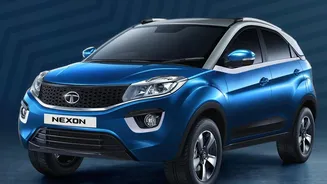


The Reality of Rising Costs
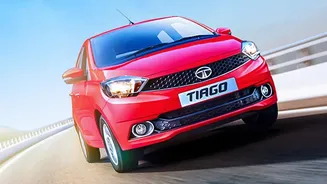
Several of India's largest car manufacturers have announced price hikes that will take effect just as festive demand picks up. Tata Motors is increasing prices by up to ₹25,000 from September 1, a move that covers its entire range of petrol, diesel, and electric
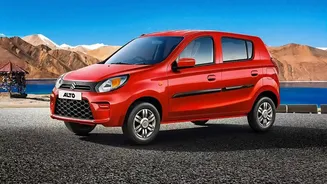
vehicles. This follows a similar announcement from Hyundai, which will raise its prices by up to 1% starting in September. This is the third price revision from both Tata and Hyundai in 2026. They aren't alone; Maruti Suzuki, the country's largest carmaker, already increased prices by up to ₹30,000 in August, its second hike in just a few months. These announcements confirm a clear trend: the car you've been eyeing will likely cost more as India enters its peak buying season.
Why Your Next Car Costs More
Automakers are pointing to a consistent set of challenges forcing their hands. The primary driver is the sustained increase in input costs. This includes the rising prices of essential raw materials like steel, aluminum, and rubber, which are fundamental to building a car. Persistent inflation and higher operational expenses are also squeezing manufacturers' margins. Furthermore, global factors play a significant role. Geopolitical tensions and disruptions to international trade can affect logistics and the cost of imported components, adding another layer of financial pressure. While companies state they are absorbing a portion of these increased costs, they are now passing some of the burden onto customers to remain commercially viable.
Will Festive Discounts Save the Day?
The festive season is traditionally synonymous with attractive discounts, exchange bonuses, and special offers designed to lure customers into showrooms. The question for 2026 is whether these deals will be enough to offset the official price hikes. The timing of the price increases creates a conflicting situation for buyers. On one hand, the ex-showroom price of vehicles is higher. On the other, fierce competition during the festive period means manufacturers will still need to stimulate demand. Carmakers are ramping up production to ensure they have enough stock for the expected festive rush. While discounts are still being advertised for August on many models, including cash benefits and exchange offers, their net effect might be diminished by the new, higher base prices. Buyers will need to calculate carefully to see if a festive deal truly results in significant savings compared to pre-hike prices.
Strategies for the Smart Buyer
Navigating this pricey market requires a clear strategy. If you have already decided on a specific car and were planning to buy soon, purchasing before the September price revisions take effect could be a wise move. For those still deciding, the situation is more complex. You'll need to weigh the potential savings of current festive offers against the upcoming price increases. It's crucial to look beyond the headline discount and calculate the final on-road price, including insurance, registration, and taxes. Don't hesitate to negotiate with multiple dealers, as inventory levels and sales targets can vary, creating opportunities for better deals. Also, consider expanding your options. Looking at different variants of the same model or even considering a different brand that may not have announced a hike yet could lead to a better value proposition. Finally, with several new models and facelifts being launched, you might find good deals on the outgoing versions of popular cars.