
A New Blueprint for Global Nutrition
The recently released 2026 UN Global Nutrition Report has sent a clear message: the path to better public health runs through our everyday kitchens. The report argues that for too long, the conversation around nutrition has been dominated by niche, often
expensive, dietary trends. While a balanced diet is crucial, the UN now suggests a more pragmatic approach, focusing on enhancing the nutritional value of the staple foods that form the bedrock of diets for billions of people worldwide. This represents a significant pivot, moving away from an overemphasis on exotic ingredients towards a practical strategy that leverages existing food habits. The core idea is to make nutrition accessible and affordable for everyone, not just a privileged few.
Why This Matters for India
For India, the report's findings are particularly resonant. The country faces a 'double burden' of malnutrition: persistent undernutrition and stunting in children, alongside a rising tide of obesity and diet-related diseases like diabetes in adults. Indian diets are heavily reliant on staples like rice and wheat, which provide essential energy but can lack crucial micronutrients, leading to what is often called 'hidden hunger'. According to some reports, a large percentage of the Indian population cannot afford a fully healthy and diverse diet. This makes the idea of improving the nutritional profile of affordable, widely-consumed staples not just a good idea, but a national necessity. It aligns with the challenge of ensuring 'nutrition security' goes hand-in-hand with food security.
The Power of Fortification
One of the most powerful tools highlighted by this new focus is food fortification. This is the process of adding essential micronutrients—like iron, folic acid, vitamin A, and zinc—to staple foods. Think of iodised salt, which has been a public health success story for decades. The same principle can be applied to rice, wheat flour (atta), and edible oils. Fortifying these everyday items is considered one of the most cost-effective ways to combat widespread deficiencies without asking people to fundamentally change their eating habits. With millions dependent on staples distributed through programmes like the Public Distribution System (PDS), enriching these foods at the source could quietly transform the health of an entire generation.
Beyond Rice and Wheat: The Millet Moment
The UN report’s emphasis on local, climate-resilient crops also bolsters India’s own push towards promoting millets like jowar, bajra, and ragi. Once considered a 'poor person's food', these 'nutri-cereals' are now being globally recognised for their superior nutritional profile and ability to grow in tough environmental conditions. They are naturally rich in protein, fibre, and minerals, making them an excellent tool in the fight against malnutrition. The Indian government's efforts to revive millet cultivation and consumption align perfectly with the report's recommendations. By integrating these traditional grains back into our daily diet, we can enhance nutritional intake while also supporting agricultural diversity and sustainability.
The Road Ahead: Challenges and Opportunities
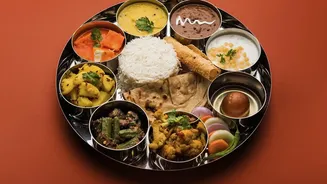
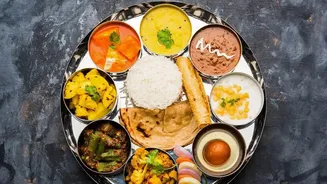
Implementing this vision on a national scale is not without its challenges. It requires a concerted effort involving government policy, private sector innovation, and public awareness. Ensuring the quality and safety of fortified foods, strengthening supply chains, and educating consumers about the benefits are all crucial steps. However, the opportunity is immense. By focusing on improving the dal, chawal, and roti that are already on our plates, India has a unique chance to make significant strides in public health. This new approach confirms that building a healthier nation doesn’t require a revolution in what we eat, but rather an evolution in how our food is produced and prepared.