






The Science of the Post-Workout Buzz
During exercise, your body activates the sympathetic nervous system, often called the 'fight or flight' response. This system floods your body with adrenaline, increases your heart rate, and makes you sharp and ready for action. While essential for performance,
staying in this heightened state long after your workout can hinder recovery, impact sleep, and leave you feeling mentally scattered. The goal of a proper cool-down is to shift from this 'go' mode to the 'rest and digest' mode, which is managed by the parasympathetic nervous system. This system actively slows your heart rate, promotes relaxation, and kick-starts the body's repair processes. Intentional breathing is one of the fastest ways to make this switch.
Your Three-Minute Breathing Cool-Down
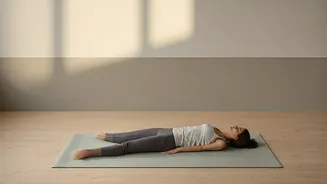
One of the most effective and easy-to-learn techniques is 'box breathing', also known as square breathing. It is used by everyone from yoga practitioners to US Navy SEALs to manage stress and improve focus in high-pressure situations. The structured four-part pattern helps distract the mind and signals to your nervous system that the danger has passed and it's safe to relax. Spending just three to five minutes on this practice post-workout can significantly fast-track your body into recovery mode. Here’s how to do it: 1. **Find a comfortable position:** Sit on a bench or lie down on a mat. You can elevate your feet to enhance relaxation. Close your eyes if it feels comfortable. 2. **Inhale for four seconds:** Breathe in slowly and deeply through your nose for a count of four. Focus on filling your belly with air, not just your chest. 3. **Hold for four seconds:** Hold your breath at the top of the inhale for a count of four. Try not to tense up; keep your shoulders and jaw relaxed. 4. **Exhale for four seconds:** Slowly exhale through your mouth or nose for a count of four, releasing all the air from your lungs. 5. **Hold for four seconds:** Hold your breath at the bottom of the exhale for another count of four. Repeat this cycle for three minutes. If the four-second count feels too long or too short at first, adjust it to a rhythm that works for you. The key is to maintain a slow, even tempo.
Benefits Beyond the Calm
This simple practice does more than just quiet your mind. By intentionally activating your parasympathetic nervous system, you unlock a cascade of recovery benefits. Controlled breathing helps lower blood pressure and brings your heart rate down more efficiently. It can reduce the levels of stress hormones like cortisol circulating in your blood, which, when chronically elevated, can impair muscle repair. Furthermore, this practice improves oxygen delivery to your tired muscles, which can help reduce soreness and fatigue. Making this a regular part of your routine can also lead to better sleep quality, especially for those who work out in the evenings. By calming your system before you even leave the gym, you set the stage for deeper, more restorative rest, which is when your body does its most important repair work.
Making It a Habit
The hardest part of any new habit is consistency. The key is to integrate this breathing exercise directly into your existing workout routine. Think of it as the final and most important part of your cool-down. Don't wait until you get home and get distracted by emails or chores. Find a quiet corner of the gym, sit in your car before driving off, or simply lie on your mat for three minutes after your final stretch. You can set a timer on your phone to stay focused. By linking the breathing practice to an activity you already do (finishing your workout), you create a powerful neurological cue that makes it easier to stick with. Over time, this small investment of three minutes will feel as essential as your warm-up, providing a moment of mental stillness that complements your physical effort.