





Unpredictable Weather Changes
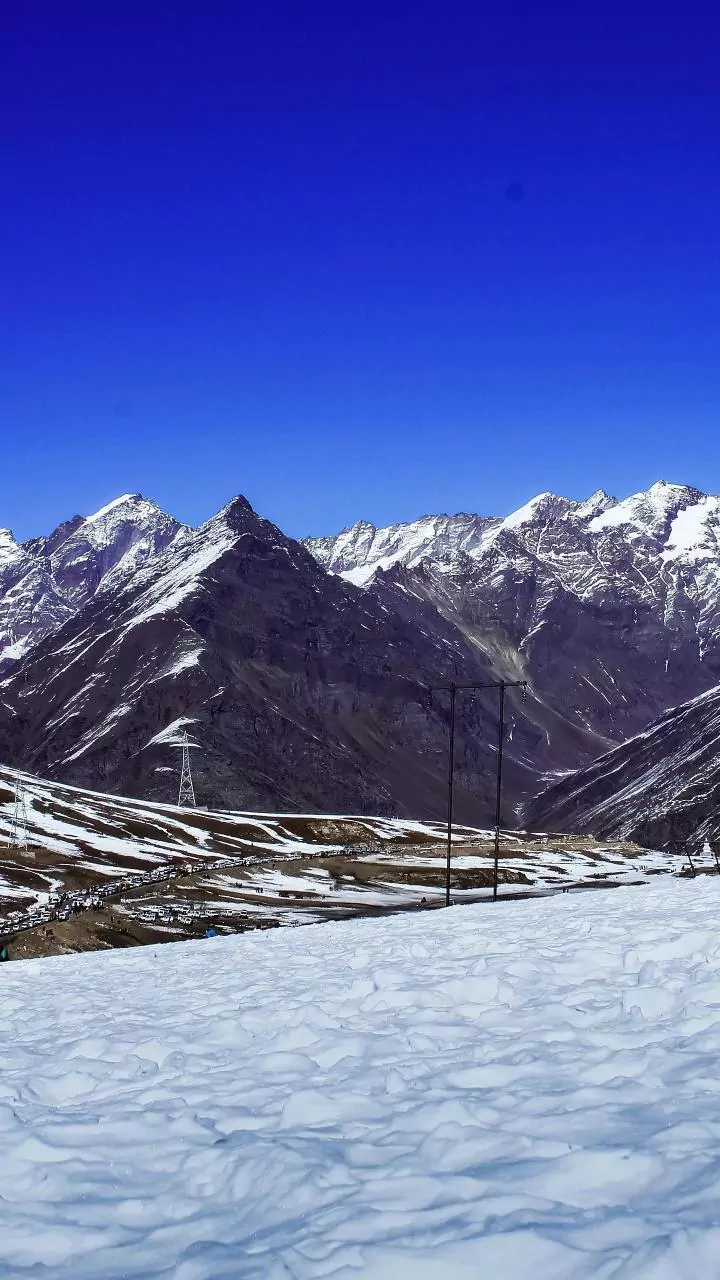
In the mountains, weather conditions can shift dramatically and without warning. A sunny morning can quickly turn into a foggy afternoon, drastically reducing visibility. Sudden downpours can make roads slippery and dangerous, while unexpected snowfall
can block passes entirely. These rapid changes often force drivers to slow down considerably or even pull over and wait for conditions to improve. It's common for local authorities to restrict travel during periods of heavy rain or snow, making it essential to factor in potential weather-related delays. Driving in dense fog or a torrential downpour isn't just slow, it's a serious safety risk that experienced drivers avoid.
The Ever-Present Landslide Risk
The Himalayas are geologically young and fragile, making them highly susceptible to landslides, especially during the monsoon season. Heavy rains can saturate steep slopes, causing mud, rocks, and debris to slide onto the road, blocking it for hours or even days. In some cases, entire sections of road can be washed away. Road widening and construction projects, while intended to improve connectivity, can further destabilise these slopes. Travellers often find themselves in long queues of vehicles, waiting for earth-moving equipment to clear a path. Official sources frequently report on these blockages, which are a common feature of mountain travel in India.
Narrow Roads and Heavy Traffic
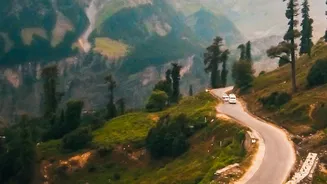
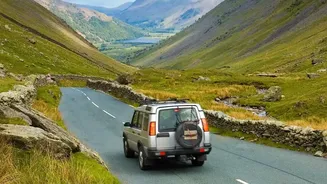
Mountain roads are often narrow, with sharp hairpin bends that require slow, careful manoeuvring. Overtaking is difficult and dangerous. These routes are shared by all manner of vehicles, from tourist cars and buses to heavily loaded trucks that move at a crawl on steep inclines. During peak tourist seasons and long weekends, the sheer volume of vehicles can lead to significant traffic jams, turning what should be a short drive into a multi-hour ordeal. Limited parking and crowded towns further add to the congestion, making it wise to assume that you will not be travelling at a consistent speed.
Ongoing Road Maintenance and Construction
To maintain and improve connectivity, road maintenance is a constant necessity in the mountains. This often involves widening projects, slope stabilisation work, or repairing damage from previous seasons. This work can lead to scheduled road closures for several hours a day or one-way traffic systems that create long backlogs. It's not uncommon for a highway to be closed at night to allow for construction work. Information about these closures is often available, but they still require travellers to adjust their schedules and build in significant buffer time.
The Need for Health and Vehicle Acclimatisation
Rushing to high altitudes can be dangerous for your health. The lower oxygen levels can cause Acute Mountain Sickness (AMS), with symptoms like headache, nausea, and fatigue. Building rest days and gradual ascents into your itinerary is crucial for acclimatisation, allowing your body to adapt safely. Your vehicle is also affected; engines lose power in the thin air, which can impact performance on steep gradients. Planning for slower travel and regular stops not only helps you acclimatise but also reduces strain on your vehicle, preventing potential breakdowns in remote locations.