



The Allure of Natural Movement
Proponents of barefoot hiking praise the way it allows the foot to function as it was designed. Without the constraints of a shoe, they argue, you engage more muscles, improve proprioception (your sense of body position), and develop a more natural gait.
The movement is part of a broader trend towards minimalism, which suggests that modern, cushioned shoes have made our feet weaker and less perceptive. The sensory feedback from feeling the ground—the texture of soil, the coolness of moss—is also a major draw, adding a new dimension to the outdoor experience. For advocates, it's not just a hobby, but a way to strengthen feet and reconnect with the world.
A Trail's Hidden Dangers
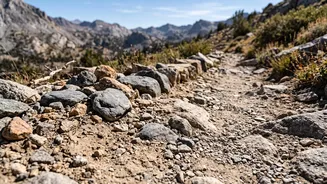
The idyllic image of walking on soft, clean earth rarely matches the reality of a hiking trail. The ground is often littered with sharp rocks, jagged roots, broken glass, and other debris that can cause cuts, puncture wounds, and bruises. Beyond visible threats, there are risks of bacterial or fungal infections from contaminated soil and water. Blisters, a common hiking ailment, can form even more quickly on unprotected, damp skin. Then there are the elements: hot ground can burn, while cold or wet conditions can lead to discomfort and increase the risk of injury. A conventional shoe provides a crucial barrier between your foot and these unpredictable hazards.
The Case for Cushioning and Support
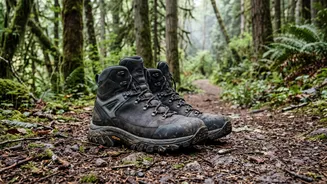
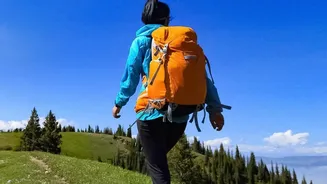
Modern hiking boots are engineered to do more than just cover your feet. They are designed to prevent common overuse injuries like plantar fasciitis and stress fractures, which occur when muscles become fatigued and can no longer absorb shock effectively. The midsole provides cushioning to absorb impact, reducing the strain on your joints over miles of trekking. Stiff soles protect your feet from being bruised by rocks and roots underfoot. For hikers carrying a backpack, the ankle support offered by a high-cut boot is critical for preventing twists and sprains on uneven terrain, where a single misstep can lead to serious injury.
Biomechanics on Uneven Ground
While walking barefoot on a flat, soft surface like sand or grass can indeed strengthen foot muscles, a rugged trail presents a different biomechanical challenge. The foot needs a stable platform to manage unpredictable angles and surfaces. Hiking boots provide this stability, helping to control pronation and keeping the foot in a neutral position. This reduces fatigue in the arches, tendons, and ligaments, including the Achilles and posterior tibial tendons, which are prone to inflammation from overuse. Without this support, the small muscles in the feet can become overwhelmed, leading to pain and injury far from the trailhead.
Finding a Sensible Middle Ground
The debate doesn't have to be all-or-nothing. For those intrigued by the benefits of a more natural foot position, minimalist or 'barefoot-style' shoes offer a compromise. These shoes have a wide toe box, zero-drop heel, and a flexible sole, but still provide a layer of protection from cuts and scrapes. They can be an excellent tool for transitioning or for use on well-maintained, familiar trails. However, it's crucial to transition slowly to allow your feet and lower leg muscles to adapt. For most people embarking on a challenging hike over rocky, unpredictable terrain, a sturdy, supportive hiking boot remains the wisest and safest choice.