




The Monsoon Trekker's Secret Weapon
Every year, from June to September, the great Indian monsoon sweeps across the subcontinent, turning lush landscapes even greener but making most Himalayan trails treacherous and inaccessible. Landslides, slippery paths, and relentless downpours put a pause
on high-altitude adventures. But not everywhere. Nestled deep in Himachal Pradesh, the Kinnaur district lies in a 'rain shadow' — a dry region on the leeward side of the great Himalayan ranges. As moisture-laden monsoon clouds travel from the south, they are forced to rise over the mountains, dumping most of their rain on the windward slopes. By the time they cross over to Kinnaur, the clouds have very little moisture left, resulting in clear, sunny skies and perfect trekking conditions. This simple meteorological phenomenon makes Kinnaur an unlikely, and brilliant, monsoon-season destination.
A Land of Stark Contrasts
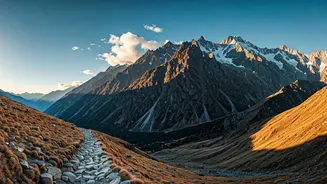
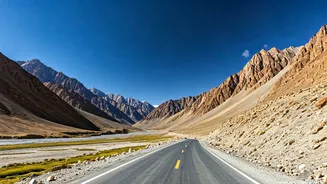
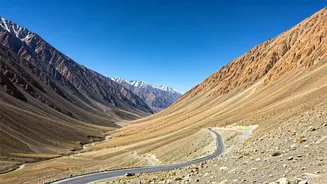
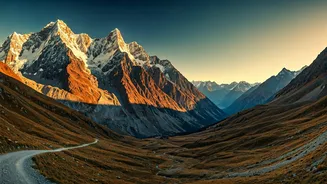
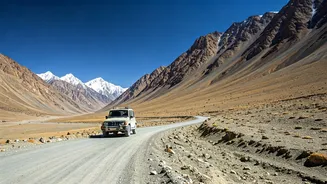
Trekking in Kinnaur is not just about escaping the rain; it's about witnessing a landscape in transition. The region is a geographical marvel, where the lush, green forests of the lower Himalayas gradually give way to the cold, arid desert of the Spiti Valley. Trails here often start in verdant valleys carved by powerful rivers like the Sutlej and Baspa, winding through apple orchards and dense pine and deodar forests. As you climb higher, the scenery transforms dramatically. The greenery thins, replaced by barren, formidable mountains painted in shades of brown, grey, and purple. This unique topography is complemented by a rich cultural tapestry. Kinnaur is a fascinating blend of Hinduism and Tibetan Buddhism, dotted with ancient monasteries, distinct temples, and warm, welcoming villages. Trekkers get to experience this unique syncretic culture firsthand, making the journey as much a cultural exploration as it is a physical challenge.
Gateway Trail: The Sangla Valley Trek
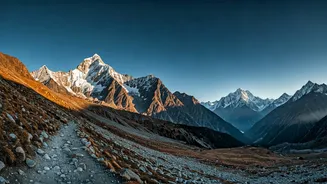
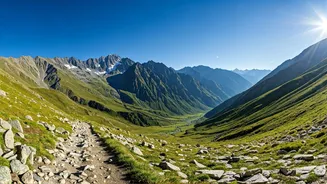
For those new to Kinnaur, the Sangla Valley, also known as the Baspa Valley, is the perfect introduction. Often cited as one of the most beautiful valleys in the Himalayas, it offers relatively gentle trails that are ideal for beginners and families. A popular route is the trek from Sangla to Chitkul, the last inhabited village near the Indo-Tibetan border. This walk takes you along the gushing Baspa River, through meadows carpeted with wildflowers, and past picturesque villages like Rakchham. The entire trek can be done at a leisurely pace over a few days, with options for homestays and guesthouses along the way. It provides a stunning glimpse of Kinnaur's beauty—snow-capped peaks towering over green fields and charming wooden houses—all under the reliably clear monsoon sky.
For the Adventurous: Bhaba Pass Trek
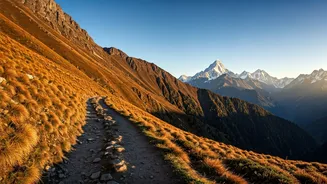
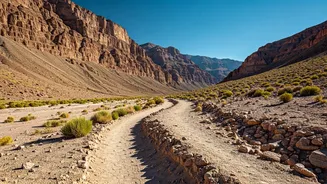
If you're seeking a more challenging adventure that perfectly showcases the rain shadow effect, the Bhaba Pass trek is unparalleled. This classic crossover trek connects the lush Bhaba Valley in Kinnaur with the arid Pin Valley in Spiti. The journey begins in the dense forests near Kafnu, following the Bhaba river upstream through grasslands and alpine meadows. The dramatic climax is the ascent to the Bhaba Pass at nearly 16,125 feet. As you cross the pass and descend into Spiti, the world changes in an instant. The green gives way to a stark, barren moonscape of multicoloured rock and dust. This trek is demanding and requires proper acclimatisation and a good level of fitness, but the reward is a firsthand experience of two completely different Himalayan ecosystems in a single journey. It is the ultimate rain shadow adventure.
Planning Your Kinnaur Escape
A trip to Kinnaur requires some planning. The region is remote, and acclimatisation to the high altitude is crucial. Spend at least a day or two in towns like Kalpa or Sangla (around 9,000-10,000 feet) before starting any trek. While some shorter valley walks can be done independently, for higher altitude treks like the Bhaba Pass, hiring a certified local guide or going with a reputable trekking agency is highly recommended. For treks near the border areas (like near Chitkul), you may need an Inner Line Permit (ILP), which can be easily obtained from the Sub-Divisional Magistrate's offices in towns like Reckong Peo. Pack layers of clothing, as days can be warm and sunny while nights get cold. Most importantly, travel responsibly, respect local customs, and leave the pristine environment as you found it.