





Beyond the Basic Bottle
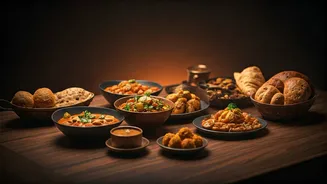
For generations, vinegar’s role in the Indian kitchen was functional and limited. We reached for it to pickle vegetables, add a sharp note to a salad, or perhaps in an Indo-Chinese stir-fry. But that is changing rapidly. Much like coffee and chocolate
before it, vinegar is undergoing a sophisticated transformation. Driven by a growing interest in fermentation, a desire for complex flavours beyond sweet, salty, and spicy, and the rise of artisanal food culture, chefs and home cooks are looking at vinegar with fresh eyes. No longer just an acid, it is being celebrated for its ability to brighten, deepen, and balance a dish in ways that other ingredients cannot. This new appreciation is moving vinegar from the back of the pantry to the front and centre of the culinary world.
A World of Flavour in a Bottle
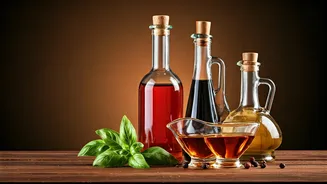
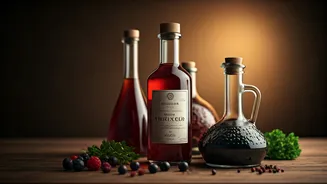
The artisanal vinegar movement has opened up a dizzying array of options, each with a unique personality derived from its base ingredient. While traditional wine vinegars like red and white are being crafted with more nuance, other varieties are stealing the spotlight. Sherry vinegar, aged in barrels, offers nutty, complex notes perfect for soups and sauces. Rice vinegar, long a staple in Asian cuisine, is being recognised for its mild sweetness that can enhance everything from seafood to vegetables. Then there are the fruit-infused vinegars, like raspberry or plum, which add a sweet and tangy burst of flavour to desserts and even drinks. In India, this trend is also reviving interest in our own heritage vinegars. Artisans are crafting unique varieties from jamun, kafal berries, and plums, especially in regions like Uttarakhand.
More Than Just a Salad Dressing
The most exciting part of this glow-up is seeing the innovative ways vinegar is being used. Chefs are now using it as a 'finishing' ingredient, drizzling a few drops over a finished dish to make the flavours pop, much like a squeeze of lemon. A splash of vinegar can deglaze a pan after searing meat, creating a rich and flavourful pan sauce. It can balance the richness of creamy soups or the sweetness of a fruit compote or dessert. Pastry chefs have found that a hint of balsamic over strawberries or a fruit vinegar in panna cotta adds a sophisticated complexity. And in the world of beverages, vinegar is making a splash in cocktails and non-alcoholic drinks through 'shrubs'—syrups made from fruit, sugar, and vinegar that create refreshing, tangy beverages.
Embracing India’s Own Vinegar Heritage
While the global trend introduces new varieties, India has a long and rich history of vinegar production, mentioned even in ancient texts. Goan cuisine would be incomplete without its traditional coconut toddy vinegar, which brings a gentle, layered acidity to dishes like vindaloo. The Parsi community has long cherished Kolah, a sugarcane vinegar from Gujarat, using it to balance flavours in their iconic meat stews. In Coorg, the deeply sour Kachampuli vinegar, made from the panapuli fruit, is essential for the region’s famous pandi curry. As the artisanal movement grows, these local vinegars are gaining renewed appreciation for their unique, terroir-driven flavours, connecting modern Indian cooks to a deep culinary heritage.
Bringing the Trend Home
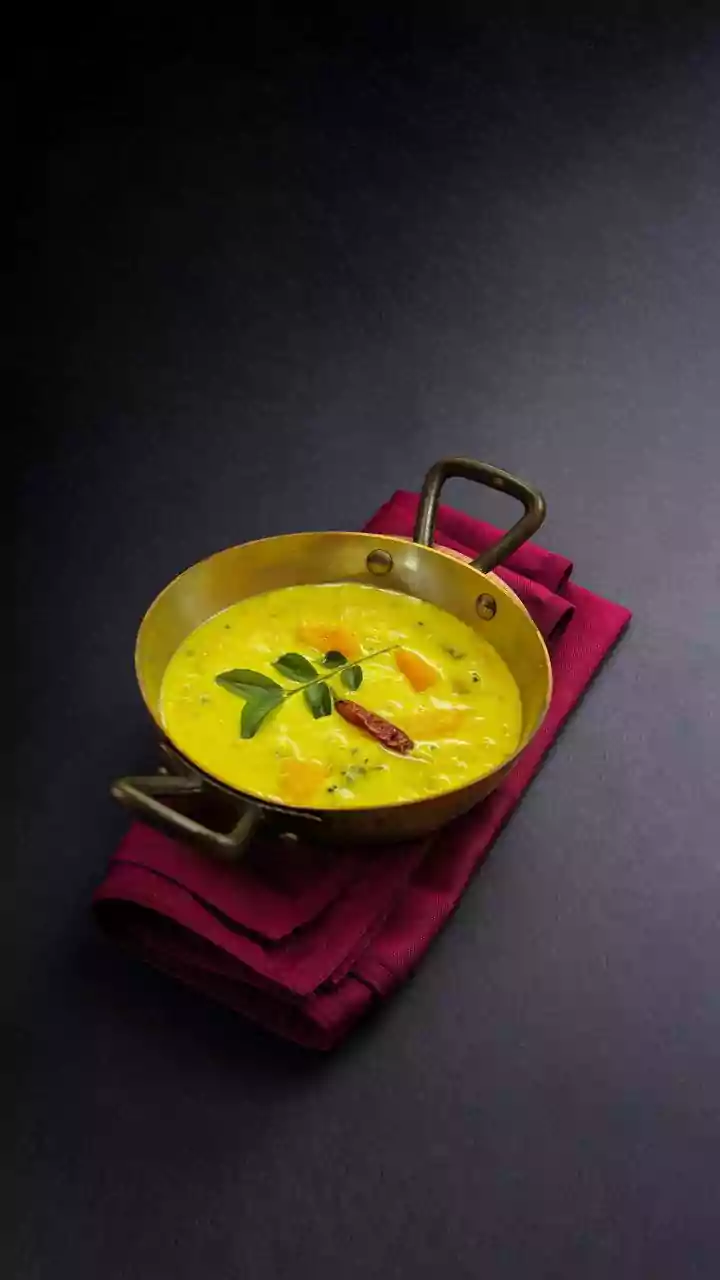
You don’t need to be a professional chef to join the vinegar revolution. Start by upgrading your basic bottle. Look for an apple cider vinegar with the 'mother' (the cloudy culture that helps fermentation) or a good quality wine vinegar. When cooking, think of vinegar as a flavour balancer. Add a small splash to a simmering dal or a hearty stew to brighten the taste. Use it to marinate tougher cuts of meat; the acid helps to tenderize the protein. Try drizzling a fruit-flavoured balsamic over a bowl of vanilla ice cream or fresh fruit for a simple but elegant dessert. Exploring the world of vinegar is about experimentation and discovering how a dash of acidity can elevate your everyday cooking from good to great.