




The Appeal of Feeling the Trail
For a growing number of outdoor enthusiasts, barefoot hiking is about more than just the thrill of being shoeless. It’s a way to deepen their connection with the natural world. Proponents describe a powerful sensory experience, feeling the coolness of soft
moss, the warmth of a sun-baked rock, and the texture of a pine needle-covered path. This heightened awareness of the ground is known as proprioception, which is your body's sense of its position in space. Walking barefoot can enhance this sense, potentially improving balance and promoting a more natural gait. By removing the thick, cushioned barrier of modern hiking boots, your feet can move and flex more freely, engaging smaller muscles that are often dormant in conventional footwear.
Conditioning Is Not Optional
Before you even consider which trail to tackle, the first step is preparing your feet. Most people have spent their lives in shoes that limit movement and sensory feedback. Jumping straight into a long barefoot hike on rugged terrain is a recipe for injury. The key is to start slowly and allow your feet to adapt. Begin by walking barefoot indoors, then on soft, predictable surfaces like a grassy lawn or sandy beach for short durations. You can gradually increase the time and introduce more varied textures. Simple exercises, like picking up a towel with your toes or doing ankle rotations, can also help strengthen the more than 100 muscles, tendons, and ligaments in each foot. This gradual conditioning builds resilience and prepares your soles for the demands of the trail.
Ideal Surfaces for Barefoot Beginners
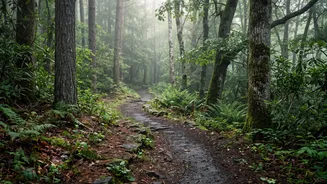
The perfect barefoot trail is one that is forgiving. When you're starting out, your primary goal should be to find surfaces that are soft and relatively free of sharp hazards. Think of wide, well-maintained paths covered in soft earth or forest duff. Trails blanketed in pine needles or moss offer a cushioned, springy surface that is a delight to walk on. Sandy trails and mown grass paths are also excellent choices for beginners. These types of surfaces allow you to get used to the sensation of hiking barefoot without the constant worry of sharp rocks or roots. Some parks and nature reserves even have dedicated barefoot trails designed with a variety of safe, natural textures to experience.
Surfaces to Approach with Caution
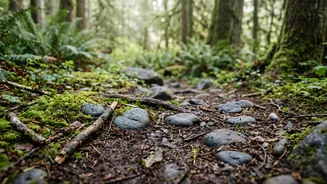
As your feet get stronger, you can begin to tackle more challenging terrain, but some surfaces will always demand caution. Gravel paths, which are common on many logging roads and multi-use trails, can be particularly difficult and exhausting for barefoot hikers. The sharp, uneven stones can be painful and increase the risk of cuts. Rocky sections and trails with numerous exposed tree roots also require careful navigation. Your feet are more flexible than a rigid boot, which can actually help with grip on slippery or uneven rocks, but the risk of a painful misstep is higher. The key is to slow down, watch your footing, and be prepared to put on a pair of minimalist shoes if the terrain becomes too aggressive.
Potential Risks and How to Mitigate Them
Being practical about barefoot hiking means acknowledging the risks. The most obvious dangers are cuts, puncture wounds, and bruises from sharp objects like glass, thorns, or rocks. There's also a risk of bacterial or fungal infections, such as athlete's foot, if your skin is broken. Hot surfaces like pavement or sun-exposed rock can cause burns. The best way to mitigate these risks is through careful trail selection and constant awareness. Always scan the path ahead. Be mindful of where you step, and always carry a small first-aid kit to clean and bandage any cuts immediately. It's also wise to carry a pair of lightweight, minimalist shoes or sandals as a backup for unexpectedly treacherous sections.