


Why We Need Science Before a Settlement
The Moon may look serene from Earth, but it's an incredibly hostile environment. Without a thick atmosphere, it's bombarded by radiation and micrometeorites. Temperatures swing from scorching hot to unimaginably cold. To establish a permanent 'Artemis
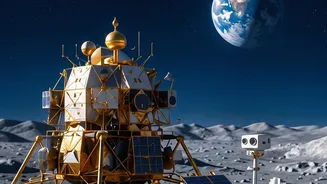
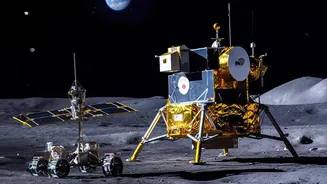
Base Camp', astronauts will need shelter, power, and local resources like water. These new investigations, chosen under NASA's PRISM program, are designed to tackle these challenges head-on. They are not just abstract experiments; they are a critical survival guide for future lunar inhabitants, providing vital information on resources, hazards, and safety before the first long-term crews arrive.
Monitoring the Environment and Hazards
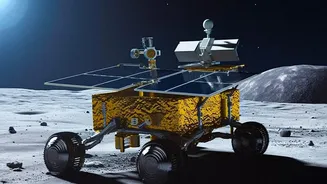
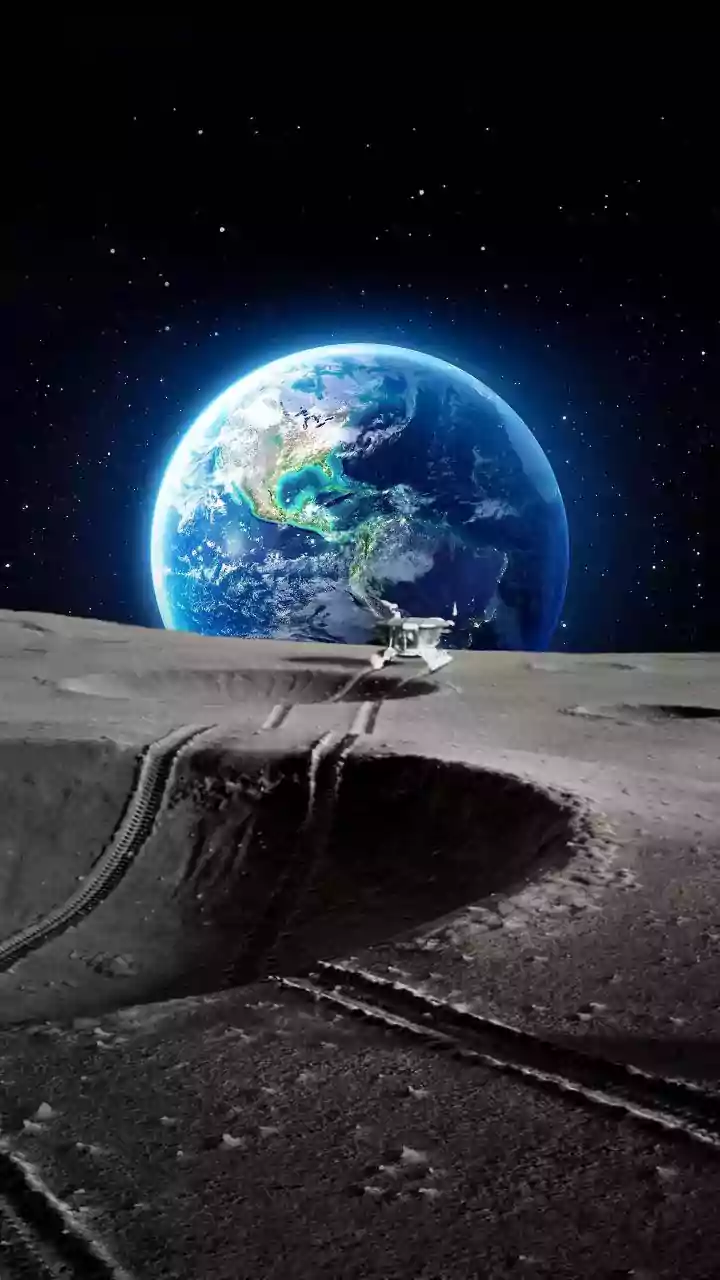
One of the chosen payloads is the Lunar Environment Monitoring Station, or LEMS. Think of it as a long-term weather and safety station for the Moon. Deployed near the lunar South Pole, this autonomous suite of instruments will operate for years, even through the two-week-long lunar night. It will use a seismometer to detect 'moonquakes' and micrometeorite impacts, giving planners a clear picture of the risks to structures and equipment. LEMS will also track how volatile substances, like water, move across the lunar surface. By using advanced insulation instead of traditional power-hungry heaters, LEMS is also pioneering energy-efficient technology essential for a sustainable outpost.
Searching for Natural Shelters
Why build a shelter when you might find one ready-made? That's the idea behind the GIMLI investigation, which stands for Geophysical Instruments for Marius Lunar pit Investigation. Scientists have long theorized that the Moon could have vast, hollow lava tubes, formed by ancient volcanic flows. These subterranean caves could provide natural, ready-made protection from radiation and extreme temperatures. The GIMLI payload will be sent to the Marius Hills Pit, a large hole in the ground, and will use instruments to scan beneath the surface to see if it connects to one of these massive lava tubes. Confirming their existence would be a revolutionary discovery for future lunar settlers.
Hunting for Hidden Water Ice
The key to 'living off the land' on the Moon is water. It can be used for drinking, growing plants, and can even be split into hydrogen and oxygen for rocket fuel. The third investigation, known as DISCO, is designed to find it. This payload will specifically search for ice hidden in 'micro-cold traps'—small, permanently shadowed areas where ice could remain stable. DISCO will provide the first direct, on-the-ground measurements of this ice, helping scientists understand how much is there and how accessible it is. The mission will also study the behaviour of the lunar soil, or regolith, to help NASA design rovers and landing systems that can operate safely on the dusty, tricky surface.
The Stepping Stone to Mars
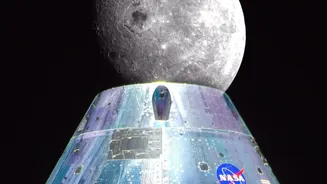
While the immediate focus is the Moon, these investigations are part of a much grander plan. The Artemis program and the development of a lunar base camp are explicitly seen as a stepping stone for the first human missions to Mars. Learning how to use local resources, mitigate environmental dangers, and build sustainable habitats on the Moon will provide the crucial experience and technology needed to tackle the even greater challenges of a journey to the Red Planet. Each piece of data sent back from LEMS, GIMLI, and DISCO isn't just about the Moon; it's a foundational block for humanity's future as a multi-planetary species.