




Not Just Ginger's Understudy
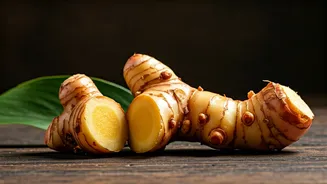
Let's get one thing straight: galangal is not a ginger substitute. While they belong to the same plant family, Zingiberaceae, and share a knobby appearance, treating them as interchangeable is a culinary crime. Ginger offers a familiar spicy-sweet warmth,
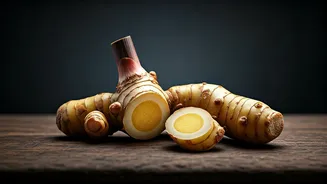
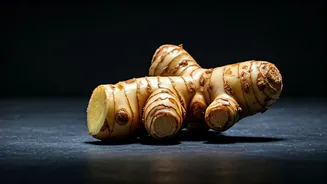
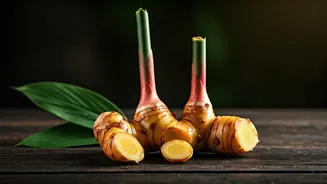
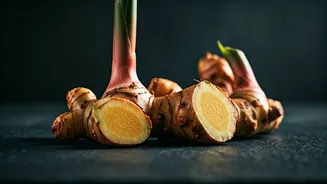
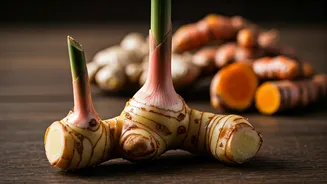
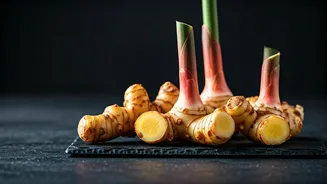
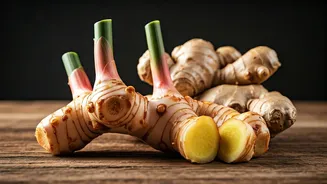
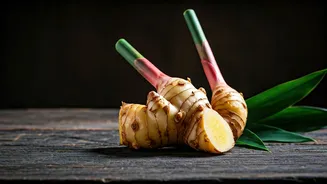
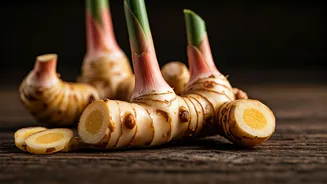
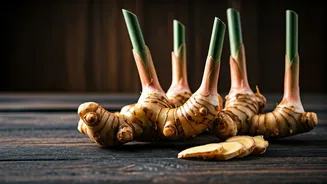
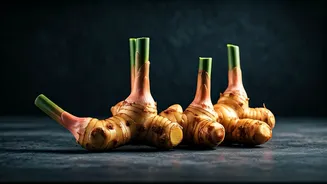
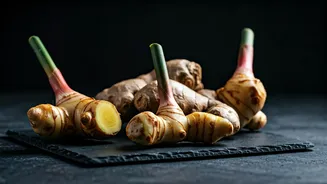
but galangal plays a different game entirely. Its skin is paler and smoother than ginger's, and its flesh is significantly denser and harder. You can't simply grate galangal; it demands to be sliced or pounded to release its essence. This difference in texture is the first clue that you're dealing with a whole different personality.
A Symphony of Flavour
So, what does it taste like? Where ginger is straightforwardly pungent and peppery, galangal is a complex medley of sharp, citrusy, and pine-like notes. Many describe its unique aroma as woodsy and refreshing, with an earthy, peppery bite that is sharper and more intense than ginger's. It adds a distinctive, almost medicinal brightness to dishes—in the best way possible. This complex flavour profile is precisely why it can't be swapped out. Using ginger in a recipe that calls for galangal would fundamentally change the dish, missing the bright, zesty high notes that are galangal's signature.
The Star of Southeast Asian Kitchens
In Southeast Asia, galangal is far from an understudy; it's a headline act. Known as 'kha' in Thailand, it's an indispensable ingredient in some of the region's most iconic dishes. It forms the aromatic backbone of Thai staples like the hot and sour soup Tom Yum and the creamy coconut chicken soup Tom Kha Gai. In Indonesian and Malaysian cuisine, it's a key component in rich curries and flavour pastes like rendang. In these dishes, galangal isn't just one flavour among many; it's the anchor that provides a specific, irreplaceable fragrance and complexity. The pieces are often added for infusion and aren't meant to be eaten, much like a bay leaf.
More Than Just a Pretty Taste
Galangal's main character energy extends beyond the kitchen. For centuries, it has been a staple in traditional medicine, including Ayurveda and Traditional Chinese Medicine. It's prized for its anti-inflammatory properties, which may help alleviate pain and swelling. Modern studies are exploring its potential, noting it's a rich source of antioxidants called polyphenols. Galangal also has antimicrobial and antifungal qualities, which is perhaps why curry pastes made with it seem to last so long in the fridge. These traditional uses add another layer of depth to this fascinating rhizome, grounding its culinary stardom in a long history of wellness.
Bringing Galangal Home
Ready to let galangal take the lead in your own cooking? You can find it fresh, frozen, or dried at most Asian markets and some well-stocked supermarkets. When buying fresh, look for firm roots with smooth, unblemished skin. Store it in the refrigerator, wrapped in a paper towel inside a plastic bag, for up to two weeks. For longer storage, you can freeze thinly sliced galangal for several months. To use it, peel the tough skin with a vegetable peeler or knife and then slice it thinly or pound it in a mortar and pestle. Add it to soups, curries, and marinades to unleash its bright, aromatic power. Don't be afraid to experiment; this is one main character that deserves its time in the spotlight.