


Swap White Rice for Millets and Brown Rice
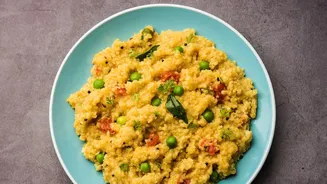
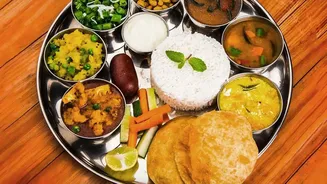
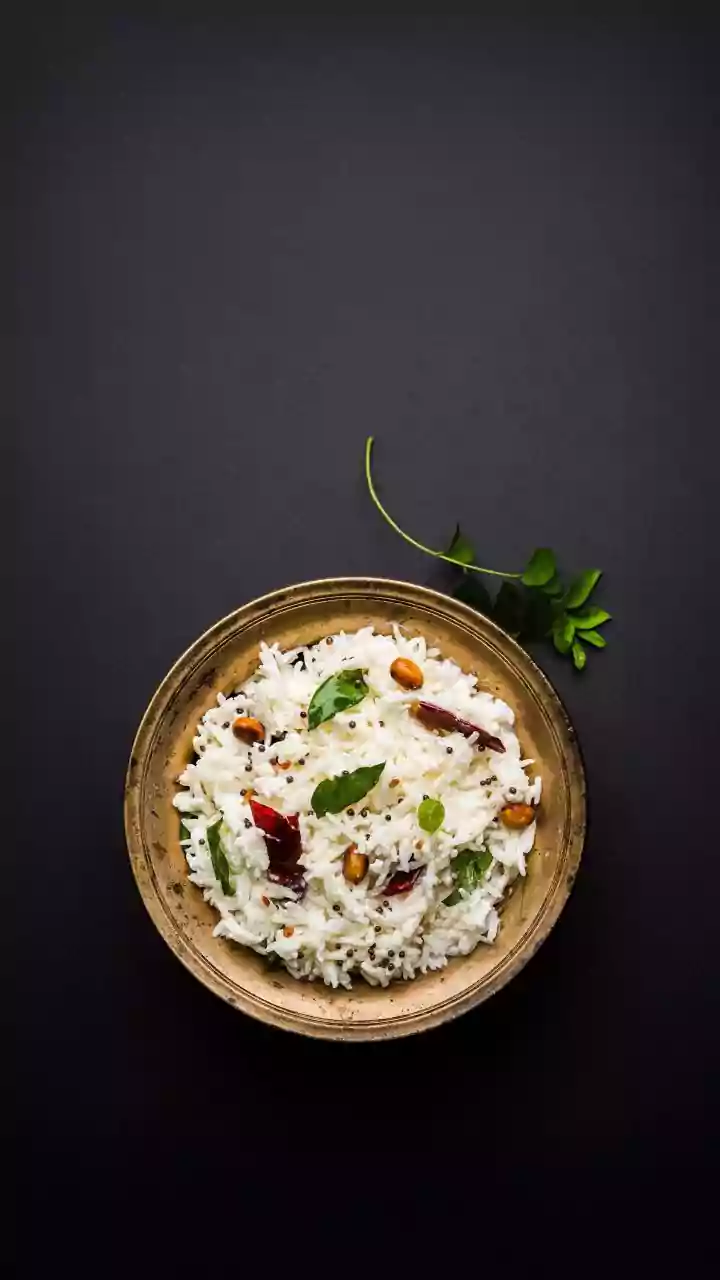
White rice is a staple, but it's heavily refined, stripping it of its natural fibre. An easy switch is to use brown rice, which retains its nutrient-rich outer layers. For an even bigger upgrade, embrace millets like jowar, bajra, and ragi. Millets contain
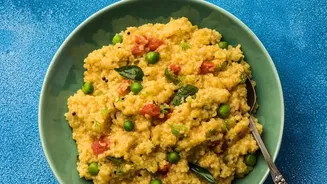
significantly more dietary fibre and protein than both white and brown rice, which helps with digestion, keeps you feeling full longer, and supports better blood sugar control. You don't have to give up rice entirely; start by mixing half millets with half white rice in your pulao or khichdi, or try making a delicious bajra or jowar bhakri to accompany your favourite curry.
Upgrade Your Atta with Whole Grains
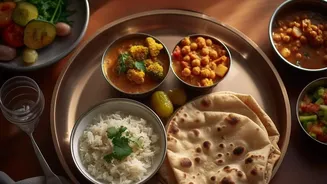
The foundation of most Indian meals, roti, is the perfect vehicle for more fibre. While whole wheat atta is already a good source, you can enhance it further. Try mixing in other whole-grain flours like jowar (sorghum), bajra (pearl millet), ragi (finger millet), or even oat flour. These flours not only increase the fibre content but also add a delicious, earthy flavour and different textures to your chapatis and parathas. Start with a small ratio, perhaps three parts wheat atta to one part millet flour, and gradually adjust to your liking. Even besan (gram flour) can be added to thicken batters and increase protein and fibre.
Bulk Up Dals and Sabzis with More Vegetables
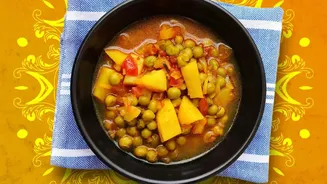
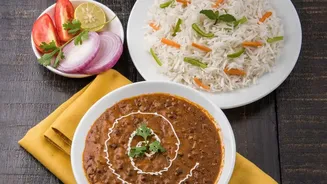
Your everyday dal and sabzi are prime opportunities to sneak in extra fibre. While dal itself is a great source, you can easily amplify its benefits by adding chopped vegetables. Toss in spinach, carrots, lauki (bottle gourd), or pumpkin while your dal is cooking. These additions melt into the dish, thickening it naturally and adding nutrients without overpowering the original taste. For sabzis, don't be afraid to use vegetables with their peels on, like potatoes and cucumbers, as the skin contains a significant amount of fibre. Adding more vegetables like bhindi (okra), sweet potatoes, and leafy greens not only boosts fibre but also adds colour and variety to your meals.
Choose Whole Pulses and Legumes
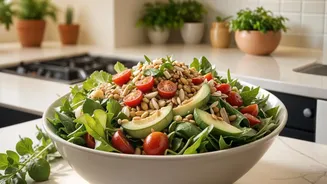
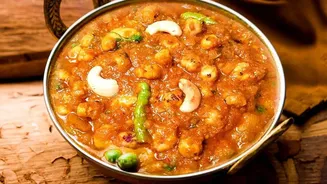
While split dals like moong and masoor are fantastic, whole pulses and legumes like rajma, whole chana (black and white), and lobia generally retain more fibre. These are the heroes of some of India’s most beloved comfort foods for a reason. They provide a powerful combination of protein and fibre that promotes satiety and stable energy. Make it a habit to include a dish made with whole pulses in your weekly meal plan, whether it's a classic rajma masala, a simple chana sundal, or a mixed-bean salad. Sprouting pulses before cooking can further enhance their nutritional value and make them easier to digest.
Snack Smarter with Nuts and Seeds
When hunger strikes between meals, it’s tempting to reach for processed snacks. Instead, turn to fibre-rich alternatives. A small handful of roasted peanuts, almonds, or walnuts can be a satisfying and nutritious choice. Roasted chana or makhana are other excellent, crunchy options that are staples in many Indian households. You can also incorporate seeds into your diet effortlessly. Sprinkle flaxseeds or chia seeds over your dahi, into smoothies, or add sesame seeds to chutneys and podis. These tiny powerhouses add a surprising amount of fibre, healthy fats, and other essential nutrients.
Reinvent Desserts with Natural Sweeteners
Indian sweets don't have to be a guilty pleasure. Many traditional mithais can be made healthier without sacrificing flavour. Swap refined sugar for natural sweeteners like jaggery or dates. Jaggery adds a rich, mineral-dense sweetness to classics like gajar ka halwa or besan laddoo. You can also make delicious laddus and barfis using dates, nuts, and seeds as the base, which are naturally sweet and high in fibre. Exploring desserts made with ragi or oats, like a creamy ragi kheer, is another fantastic way to end your meal on a sweet and healthy note.