






As the monsoon rains recede, India's national parks undergo a stunning transformation. The saturated earth begins to dry, and for wildlife enthusiasts, this signals the start of the most anticipated time of year: the winter safari season.
The Great Monsoon Shutdown
To understand
why winter is so prized, one must first appreciate the impact of the monsoon. From roughly June to September, heavy rains drench much of the country. While vital for replenishing forests and water bodies, this deluge makes many national parks inaccessible. Dirt tracks and safari trails turn to mud, rivers swell, and low-lying areas become flooded. For safety reasons and to allow the ecosystem to recover without human interference, most core zones of major parks like Ranthambore, Bandhavgarh, and Kanha close down. This period is also a crucial breeding season for many animals, and the closure provides them with the undisturbed privacy they need.
A Fresh Start for Forest Roads
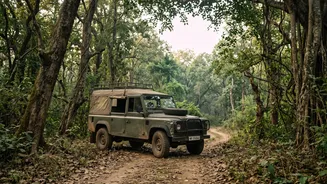
The reopening of the parks, typically starting in October, is a carefully managed process. The monsoon often leaves a trail of damaged infrastructure, from washed-out bridges to rutted roads. Park authorities use this pre-season window to undertake essential maintenance. Roads are regraded, fallen trees are cleared, and the entire safari network is assessed and repaired to ensure it is safe and navigable for jeeps and canters. This annual repair cycle is fundamental to the safari experience. Without these improved road conditions, accessing the deeper, wildlife-rich areas of the parks would be nearly impossible.
Prime Conditions for Spotting Wildlife
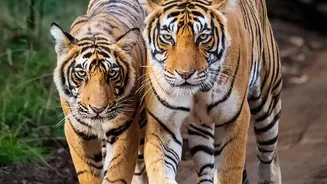
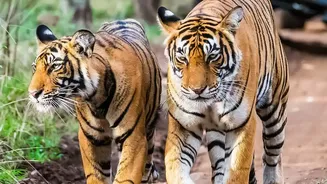
The combination of post-monsoon renewal and pre-summer dryness creates a perfect storm for wildlife sightings. While the landscape is initially lush and green after the rains, the vegetation begins to thin out as winter progresses, improving visibility into the forest. Furthermore, the pleasant, cooler temperatures mean animals are more active for longer periods during the day. Instead of seeking shelter from the scorching summer sun, tigers, leopards, and other animals are often found basking in the milder winter sun, sometimes even on the safari tracks themselves. This increased daytime activity significantly boosts the chances of a memorable sighting.
Comfortable Climate and Clear Skies
Beyond animal behaviour, the winter months simply offer a more comfortable experience for visitors. The extreme heat of the Indian summer can be draining, but the period from November to February brings cool mornings, pleasant afternoons, and low humidity. This makes it easier to enjoy long hours in an open safari vehicle without fatigue. The clear skies and soft, golden light are a bonus, creating perfect conditions for photography, with misty mornings adding a touch of magic to the landscape. It’s also a time when there are fewer insects, adding to the overall comfort of the journey.
Top Parks for a Winter Safari
Several parks across India shine during the winter season. Ranthambore National Park in Rajasthan, with its historic fort and lakeside terrain, is famous for tiger sightings against dramatic backdrops. In Madhya Pradesh, Bandhavgarh and Kanha are renowned for their high tiger densities and beautiful sal forests. For those interested in rhinos and a unique ecosystem, Kaziranga National Park in Assam, which reopens in November, is a must-visit. Jim Corbett National Park in Uttarakhand also offers a fantastic experience, with its varied Himalayan foothill landscape attracting tigers, elephants, and a wide array of birds.