



Why Eat Seasonally in July?
July in India is peak monsoon season. This climate shift influences what our bodies need and what nature provides. Seasonal produce is fresher, more flavourful, and packed with nutrients because it’s harvested at the right time without the need for long-distance
transport or artificial ripening. It’s also more affordable and supports local farmers who cultivate these crops. During the monsoon, it's traditionally advised to eat foods that are light and easy to digest, and this month's harvest is perfectly suited for that.
Jamun (Indian Blackberry)
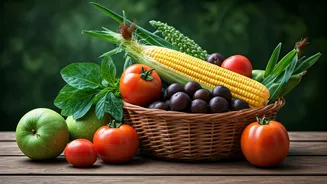
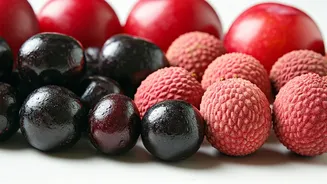
No fruit screams monsoon quite like the jamun. Its deep purple hue and distinctive sweet-tart taste are a quintessential rainy-day experience. Jamun, also known as the Java plum, is celebrated for its many health benefits and typically ripens between June and July. To pick the best ones, look for fruits that are a deep purple or almost black colour, with smooth, shiny skin. They should feel firm but give slightly to a gentle press. Avoid any that are green, reddish, or have bruised or wrinkled skin. Enjoy them fresh with a sprinkle of black salt, or use them to make tangy chutneys and refreshing drinks.
Bhutta (Corn on the Cob)
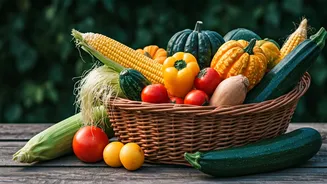
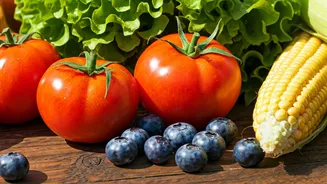
The smell of roasted bhutta is synonymous with the Indian monsoon. Corn is a Kharif or monsoon crop, making it abundantly available and delicious during this time. Whether you enjoy it roasted over charcoal and slathered with lime juice and masala from a street vendor, or boiled and spiced at home, corn is a comforting and versatile snack. For a simple at-home version, boil fresh corn kernels for 3-4 minutes, then toss them in a pan with butter, chaat masala, red chilli powder, and a squeeze of lemon for a quick and satisfying sweet corn chaat.
Stone Fruits: Peaches, Plums, and Cherries
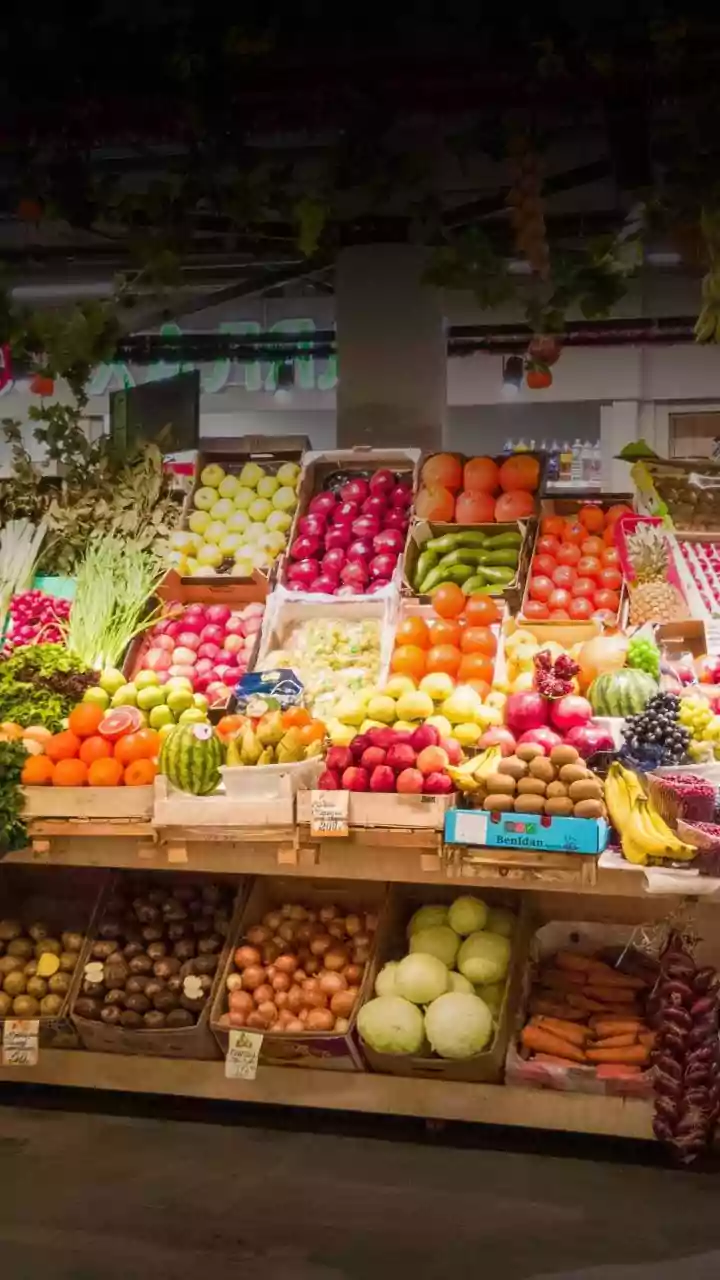
July is a great month for stone fruits, especially those from the cooler hill regions of India. Peaches (aadoo), plums (aloo bukhara), and cherries are at their juicy best. These fruits offer a burst of sweetness and are perfect for eating fresh, adding to fruit salads, or baking into pies and crumbles. When buying, look for fruits that are fragrant and yield slightly to pressure, but are free from soft spots or blemishes. Their vibrant colours are a great indicator of ripeness and flavour.
Gourds: Lauki and Karela
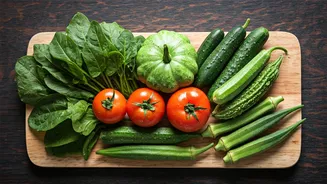
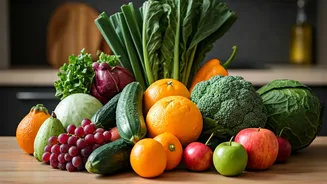
The monsoon is the season for a variety of gourds that are both nutritious and easy on the digestive system. Bottle gourd (lauki) is particularly beneficial during this time due to its high water content and cooling properties. It is rich in fibre and low in calories, making it excellent for maintaining gut health. Bitter gourd (karela) is another monsoon essential, valued for its immune-boosting properties. While its taste can be an acquired one, its health benefits are undeniable. Both gourds are versatile in the kitchen and can be used to make simple sabzis, juices, or even crispy snacks.
Okra (Bhindi)
Okra, also known as bhindi or lady's finger, thrives during the monsoon. This vegetable is a good source of several vitamins and minerals. Its natural mucilage, often described as slimy, can actually help soothe the digestive system, which is a common concern during the rainy season. To minimise the sliminess when cooking, ensure the bhindi is completely dry before you chop it, and consider frying it on high heat to make a crispy 'kurkuri bhindi' or adding a souring agent like tamarind or amchur (dry mango powder) to your sabzi.