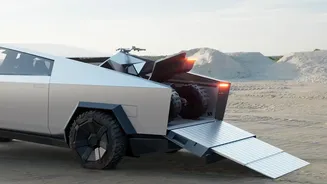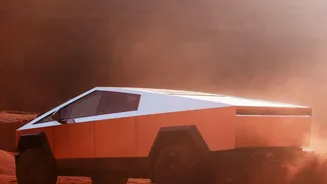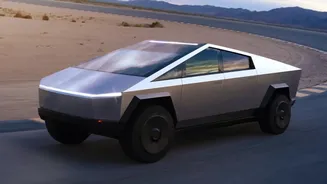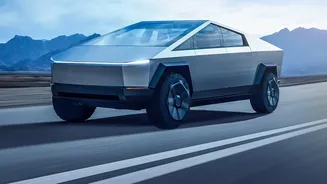




Another year, another delay. The Tesla Cybertruck, a vehicle that seems to exist as much in headlines as it does on roads, has had its production schedule extended yet again, this time to the summer of 2027.
The Latest Setback
In a move that has become characteristic of
the Cybertruck's journey, Tesla has once again pushed back its production timeline. The announcement confirms that the full-scale ramp-up for the futuristic electric pickup will now not be achieved until mid-2027. This latest delay is a significant one, adding another year to a saga that began with a dramatic unveiling event back in 2019. While early production models have been trickling out since late 2023, the dream of mass-producing hundreds of thousands of Cybertrucks a year remains elusive. For the legions of fans and reservation holders, some of whom placed deposits years ago, it’s a test of patience. For the automotive industry, it’s another sign that even for a trailblazer like Tesla, rewriting the rules of manufacturing is fraught with difficulty.
The Challenge of Building the Future
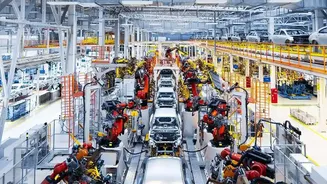
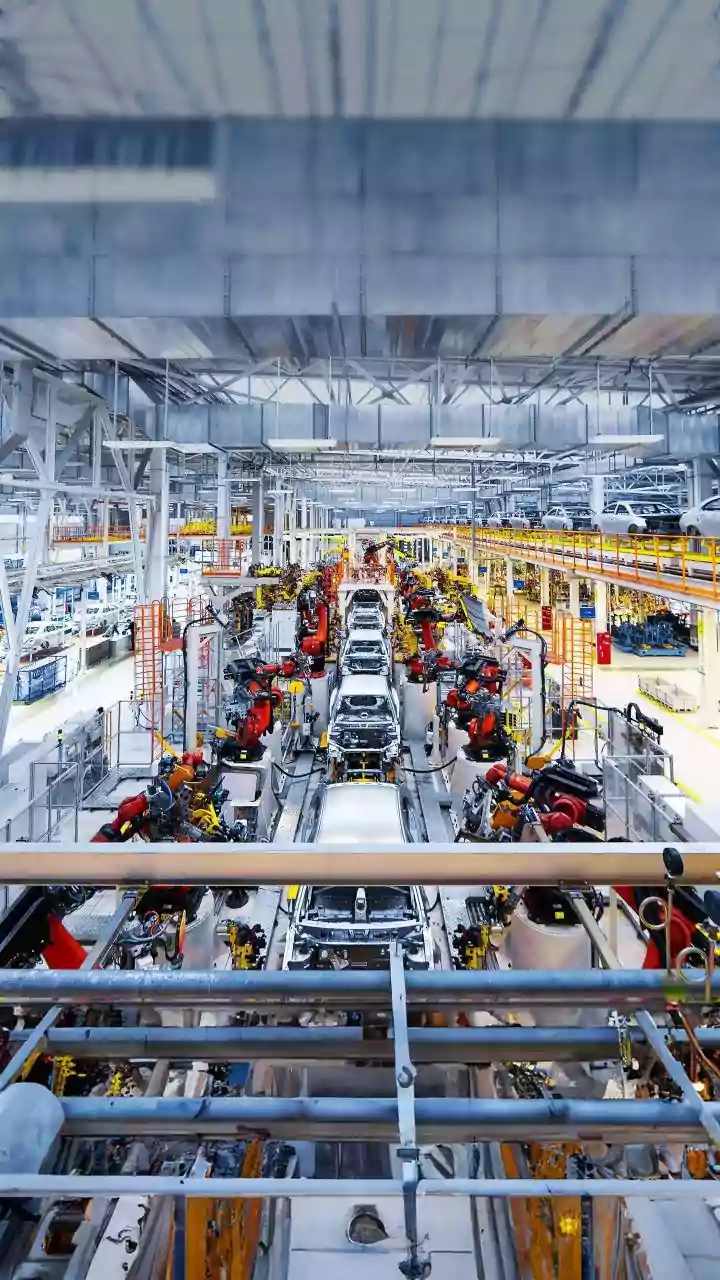
So, why does the Cybertruck keep getting delayed? The answer lies in the very things that make it unique. The vehicle's body is made from an ultra-hard, cold-rolled stainless steel alloy, a material chosen for its durability and 'bulletproof' claims. While impressive, this steel is notoriously difficult to shape, bend, and weld. Musk himself has admitted that Tesla 'dug its own grave' with the Cybertruck's design, acknowledging the 'enormous challenges' in reaching volume production. Traditional auto manufacturing relies on stamping curved body panels, but the Cybertruck's flat, angular planes require a completely different, and unproven, process. Reports have highlighted issues with achieving precise panel gaps and preventing the resilient steel from warping. These fundamental manufacturing hurdles, combined with a new 48-volt electrical architecture, mean Tesla isn't just building a new truck; it's inventing a new way to build it, and that invention is taking time.
A History of Ambitious Timelines
This delay is not an isolated incident but part of a well-established pattern. When Elon Musk unveiled the Cybertruck in November 2019, with its now-infamous shattered 'armoured glass' demo, the initial production target was set for late 2021. As that date approached, it was quietly pushed to 2022, with the company citing supply chain issues. The goalposts shifted again to 'early production' in mid-2023, with the first handful of deliveries finally occurring in November 2023, two years behind schedule. Since then, production has been slow, and the vehicle has faced numerous recalls for everything from accelerator pedals to trim pieces. This history of missed deadlines has tempered expectations and highlights a recurring theme in Musk's ambitious projects: the vision often arrives long before the reality.
Competitors Didn't Wait
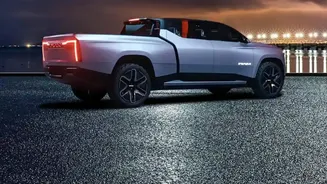
While Tesla has been grappling with its manufacturing revolution, its competitors have been busy shipping products. In the years since the Cybertruck's announcement, a robust market for electric pickup trucks has emerged. Ford's F_150 Lightning, an electric version of its perennially best_selling truck, hit the market in 2022. Rivian's R1T and GM's Silverado EV have also established themselves as viable alternatives. These trucks may not have the Cybertruck's radical, dystopian aesthetic, but they are available now and are built using more conventional, scalable methods. Every delay from Tesla gives these competitors more time to capture market share, build customer loyalty, and refine their products, eroding the first_mover advantage Tesla once seemed poised to claim in the segment.
The View from India
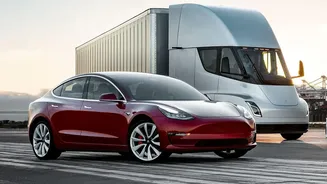
For the Indian market, where Tesla's official entry has been a topic of intense speculation for years, the Cybertruck's production woes are a distant but relevant data point. With Tesla already selling other models in India, like the Model Y, the company's global production priorities matter. Any major challenge, like the one posed by the Cybertruck, consumes immense resources, from engineering talent to capital. This focus on solving complex manufacturing problems at its Texas Gigafactory could indirectly impact the speed and scale of Tesla's expansion plans in new markets like India. While the Cybertruck is unlikely to be a volume seller in India due to its size and price, the persistent delays serve as a reminder of the operational hurdles that can influence a global company's strategic roadmap.