





For Building Your Financial Future
Every time you pay your credit card bill on time, you are building a positive credit history. This history is compiled into a credit score, which lenders use to assess your reliability for future loans, be it for a home, a car, or a business. UPI payments,
since they are direct debits from your bank account, are not reported to credit bureaus and have no impact on your credit score. If you are young or new to credit, responsibly using a credit card for some of your expenses is one of the most effective ways to build a strong financial profile, opening up better borrowing opportunities down the line.
For Large and High-Value Purchases
UPI transactions typically have a daily limit, often capped at ₹1 lakh, depending on your bank. For significant expenses like buying electronics, furniture, or booking a family vacation, this can be a hurdle. Credit cards, on the other hand, offer a much higher spending limit tailored to your income and credit profile. They also provide the flexibility of converting large purchases into Equated Monthly Instalments (EMIs), making big-ticket items more manageable without draining your savings account in one go.
To Maximise Rewards and Benefits
While some UPI apps offer sporadic cashback, the rewards ecosystem for credit cards is far more structured and lucrative. Almost every credit card transaction can earn you reward points, air miles, or direct cashback. Many cards offer accelerated rewards on specific categories like dining, groceries, or fuel. For example, a co-branded travel card can unlock complimentary lounge access and discounts on flights, while a shopping card might offer exclusive deals. For planned expenses where you can use a card that gives you benefits, you get more value than a simple UPI payment.
When You Need Stronger Fraud Protection
The security of both UPI and credit cards is robust, but their dispute resolution mechanisms differ significantly. A UPI transaction is an instant bank-to-bank transfer, and reversing a fraudulent or mistaken payment can be challenging. Credit cards offer a crucial safety net: the chargeback. If you are a victim of fraud or receive a faulty product, you can dispute the transaction with your bank. The bank investigates, and you are often not liable for the fraudulent amount while the issue is being resolved. This 'pay later' nature means your own money is not immediately at risk.
For International Spends and Travel
While UPI is making inroads internationally, its acceptance is still limited to a few countries. Credit cards from networks like Visa and Mastercard are accepted almost universally, making them indispensable for international travel and online shopping from global websites. They handle currency conversion automatically and are the standard payment method for booking hotels, rental cars, and flights abroad. For anyone travelling or transacting outside India, a credit card remains the more practical and reliable choice.
The Middle Path: UPI on Credit Cards
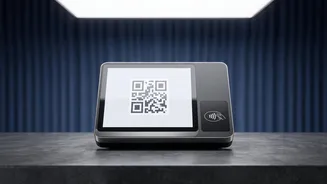
The financial world is not strictly one or the other. The introduction of RuPay credit cards on UPI platforms offers a hybrid solution. This allows you to scan a QR code and pay using your credit line instead of your bank account, combining UPI's convenience with credit card benefits. However, it's important to check the terms. Some issuers may offer lower reward rates on UPI transactions compared to traditional card swipes, or exclude certain small payments from earning rewards. This option is great for expanding credit card usage to smaller merchants who only have a QR code.