




Understanding Mumbai's October Heat
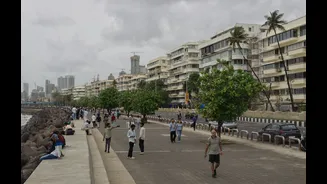
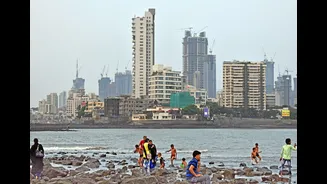
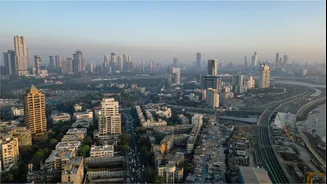
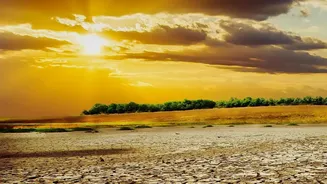
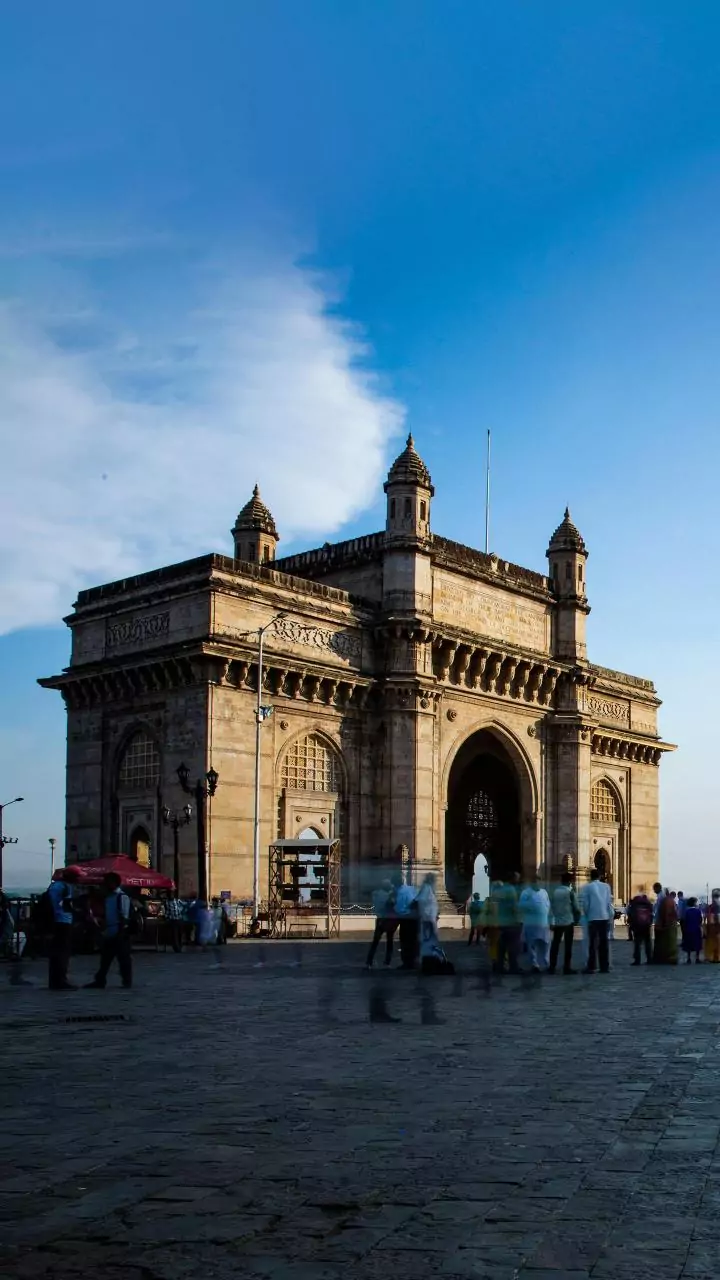
Just days after the official withdrawal of the southwest monsoon, Mumbai has been hit by a severe heatwave, with temperatures climbing to 38 degrees Celsius, making it one of the hottest October periods in recent years. This post-monsoon phenomenon, often
called the 'second summer', is driven by a combination of atmospheric conditions. An anticyclonic circulation traps warm air near the ground, while a delayed sea breeze prevents the city from cooling down during the day. This results in a dangerous mix of high heat and stifling humidity, creating prime conditions for heat-related health emergencies. The India Meteorological Department (IMD) has issued a 'yellow alert' for the city, warning of hot and humid conditions and urging residents to take precautions.
Know the Signs: Heat Exhaustion vs. Heatstroke
It is crucial to distinguish between heat exhaustion and the far more dangerous heatstroke. Heat exhaustion is the body's response to an excessive loss of water and salt, usually through profuse sweating. Symptoms include heavy sweating, weakness, cool and clammy skin, a weak but rapid pulse, nausea, and muscle cramps. If you experience these, it's a warning sign to act immediately. Heatstroke is a medical emergency that occurs when the body's temperature regulation system fails, causing the core temperature to rise to 40°C or higher. Key danger signs include a very high body temperature, hot and red skin (which may be dry), a rapid and forceful pulse, and neurological changes like confusion, disorientation, slurred speech, or loss of consciousness.
Official Guidelines to Stay Safe
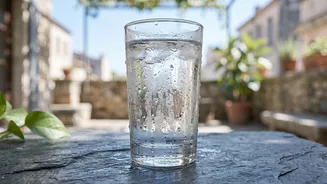
In response to the rising temperatures, public health bodies, including the Brihanmumbai Municipal Corporation (BMC) and the Panvel Municipal Corporation, have issued advisories. The core message is to limit exposure during peak heat hours, typically between noon and 3 p.m. Authorities are urging citizens to stay hydrated by drinking plenty of water, even before feeling thirsty. Other key recommendations include wearing loose, lightweight, and light-coloured cotton clothing, and using an umbrella or hat when outdoors. Strenuous activities, especially outdoors, should be avoided during the hottest part of the day. Furthermore, officials stress that children and pets should never be left inside parked vehicles, where temperatures can rise to dangerous levels very quickly.
Practical Steps for Protection
Beyond the official advice, there are several practical steps you can take to protect yourself and your family. Keep your home cool by using curtains or shutters to block direct sunlight during the day and opening windows at night to let in cooler air. Be mindful of your diet; avoid high-protein meals and dehydrating beverages like alcohol, tea, coffee, and sugary soft drinks, which can increase fluid loss. Instead, opt for water-rich foods. If you feel overheated, taking a cool shower or using damp cloths on the skin can help lower your body temperature. For those working outdoors, employers are advised to provide shaded rest areas and ensure workers are taking frequent breaks.
Protecting Vulnerable Groups
Certain groups are at a much higher risk of suffering from heat-related illnesses. These include the elderly, young children, pregnant women, and individuals with pre-existing medical conditions, especially heart or kidney disease. Outdoor workers, such as construction labourers and street vendors, are also exceptionally vulnerable due to prolonged exposure. Health officials advise that these individuals need to take extra precautions. Family members and neighbours are encouraged to check in on elderly or sick people living alone to monitor their health. Recognizing that some people are more susceptible is the first step toward community-wide prevention and ensuring everyone stays safe during this challenging weather.