


The Purpose of This Transition
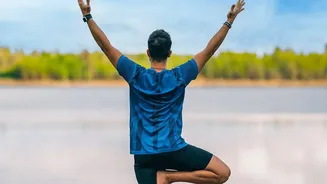
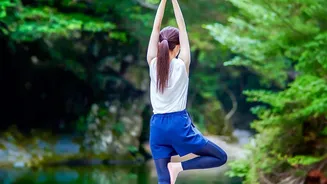
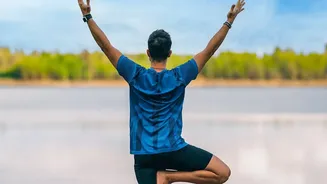
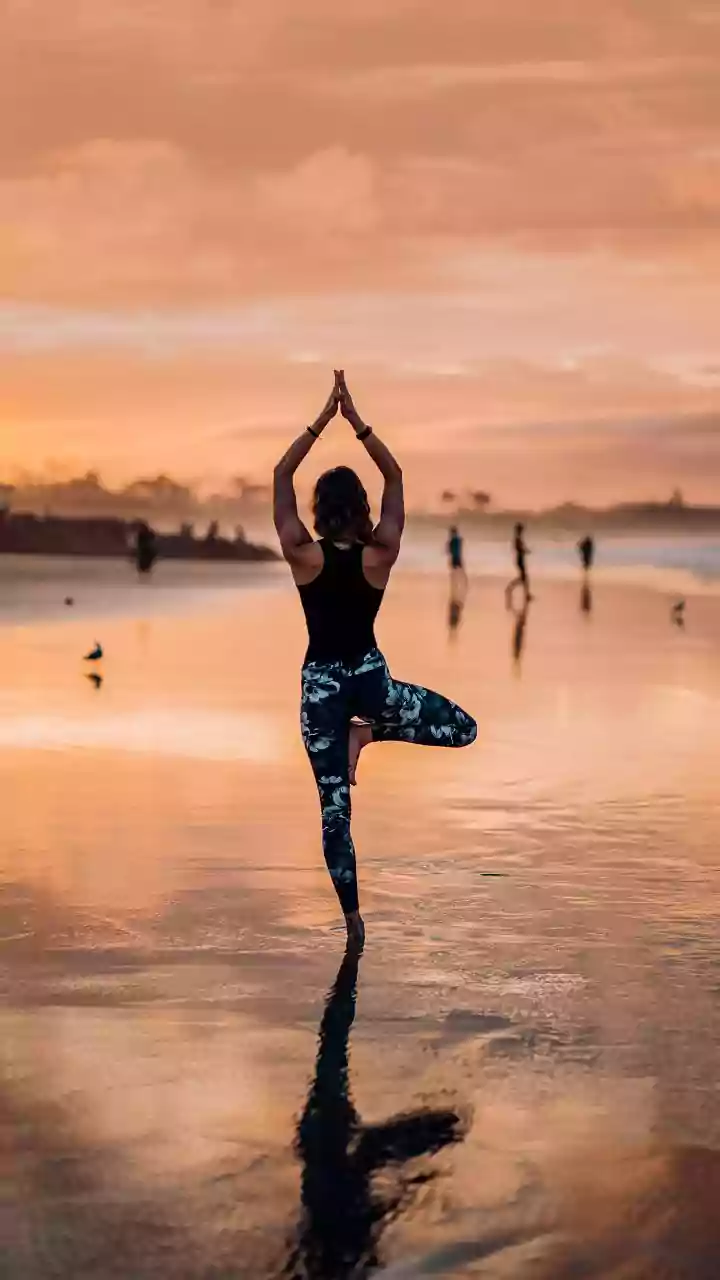
Combining Vrksasana (Tree Pose) and Virabhadrasana III (Warrior III) does more than just link two postures; it teaches profound lessons in physical and mental control. Tree Pose establishes a firm, rooted foundation, strengthening the ankles and legs
while calming the mind. Warrior III challenges that stability by demanding full-body engagement as you create a straight line from your head to your extended heel. Moving between them cultivates a seamless flow of energy, enhances core strength, and improves proprioception—your body's awareness of itself in space. This progression is a meditation in motion, forcing you to remain present and focused to maintain balance.
Prepare for a Stable Takeoff
Success in this transition begins before you even lift your leg. A solid foundation is crucial. Start by mastering the fundamentals of each pose separately. For Tree Pose, practice rooting down through all four corners of your standing foot and engaging your leg muscles. For Warrior III, building core and glute strength is key. Poses like High Lunge (Anjaneyasana), Mountain Pose (Tadasana), and even simple forward folds help prepare the body. Using props can be incredibly beneficial. Practicing Warrior III with your hands on blocks or your back foot against a wall helps you understand the alignment without the immediate pressure of balancing. This builds muscle memory and confidence.
A Step-by-Step Guide to the Flow
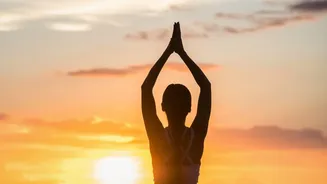
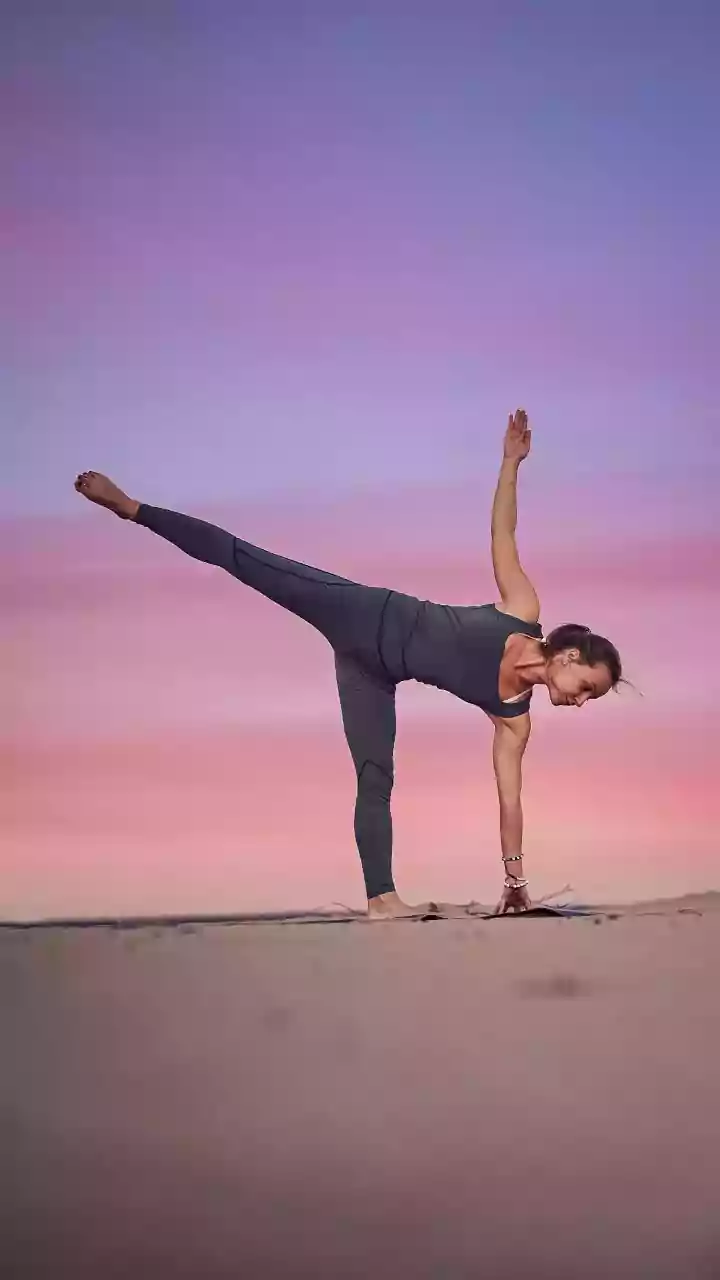
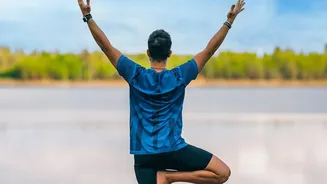
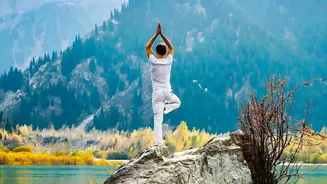
Begin in a steady Tree Pose on your right leg, with your left foot placed on your inner calf or thigh (avoiding the knee joint). Bring your hands to your heart in a prayer position. Find a 'drishti', or a non-moving point to focus your gaze on, about a few feet in front of you. From Tree, square your hips to the front of your mat. On an exhale, begin to hinge forward from your hips, simultaneously extending your left leg straight behind you. The key is to move as one unit—torso and lifted leg moving together like a seesaw. Keep a micro-bend in your standing right knee to avoid locking the joint and to better engage the stabilizing muscles. Continue extending until your torso and left leg are roughly parallel to the floor, forming the 'T' shape of Warrior III.
Essential Tips for Finding Balance
Wobbling is a natural part of the learning process; it's how your body makes the micro-adjustments needed for stability. To find steadiness, actively engage your core by drawing your navel toward your spine. This supports your lower back. Keep the hip of the lifted leg pointing down toward the floor to ensure your pelvis remains square. Actively press through the heel of your extended leg to engage your hamstring and glute. Finally, remember to breathe. Holding your breath creates tension and makes balancing much harder. A slow, steady breath will help keep your mind calm and your body responsive.
Common Mistakes and How to Correct Them
One of the most frequent errors is opening or 'hiking' the hip of the lifted leg, which breaks your stable foundation. To fix this, imagine rotating your inner thigh toward the ceiling. Another common issue is rounding the back. If you find your back is arching or rounding, focus on lengthening your spine from the crown of your head through your extended heel. Using blocks under your hands can help maintain a flat back while you build strength. Lastly, avoid craning your neck to look forward. Keep your gaze soft and directed slightly ahead on the floor to maintain a neutral spine.