

The Grain of the Desert
To understand breakfast in Rajasthan, you must first understand its grains. In a state known for its arid climate and water scarcity, crops need to be hardy and resilient. For centuries, this has made millets the undisputed kings of the Rajasthani kitchen.
Pearl millet (bajra) and sorghum (jowar) are not just ingredients; they are a symbol of survival and ingenuity. These grains thrive where others cannot, and as a result, they form the backbone of the local diet, offering sustenance and energy for a day's work under the desert sun. India is the world's largest producer of bajra, with Rajasthan being the top-producing state.
The Iconic Bajra Roti
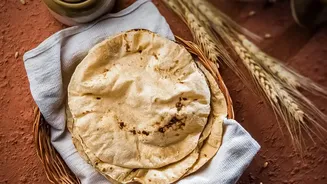
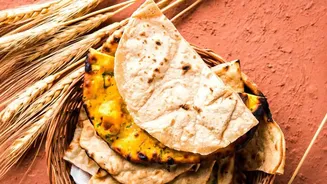
Perhaps the most fundamental Rajasthani breakfast is the humble Bajra Roti. This gluten-free flatbread, made from pearl millet flour, is thicker and more rustic than a typical wheat roti. It has a wonderfully earthy flavour and a slightly coarse texture that is deeply satisfying. Traditionally, the rotis are cooked on a tawa (griddle) and served piping hot with a generous dollop of ghee, which not only adds flavour but also makes the dense bread easier to chew and digest. The classic accompaniment is Lahsun ki Chutney, a fiery and pungent garlic chutney made with red chillies that provides a perfect kick to start the day.
Nourishing Porridges: Raab and Khichdi
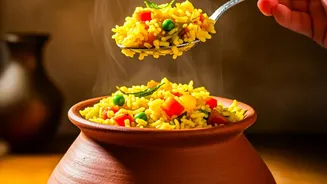
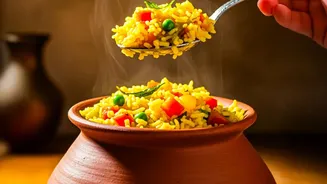
Another cornerstone of the Rajasthani breakfast table is 'Raab,' a nourishing, soupy porridge that provides warmth and hydration. Bajre ki Raab is a traditional winter staple, made by simmering pearl millet flour with buttermilk or yoghurt. It can be prepared in two ways: a savoury version seasoned with cumin and ginger, or a sweet one made with jaggery and ghee. This potent drink is valued for its ability to boost immunity and aid digestion. Similarly, Bajra Khichdi, made with pearl millet and moong dal, is a wholesome one-pot meal often enjoyed in the mornings, especially during colder months for its warming properties.
Beyond Bajra: Jowar, Wheat and Besan
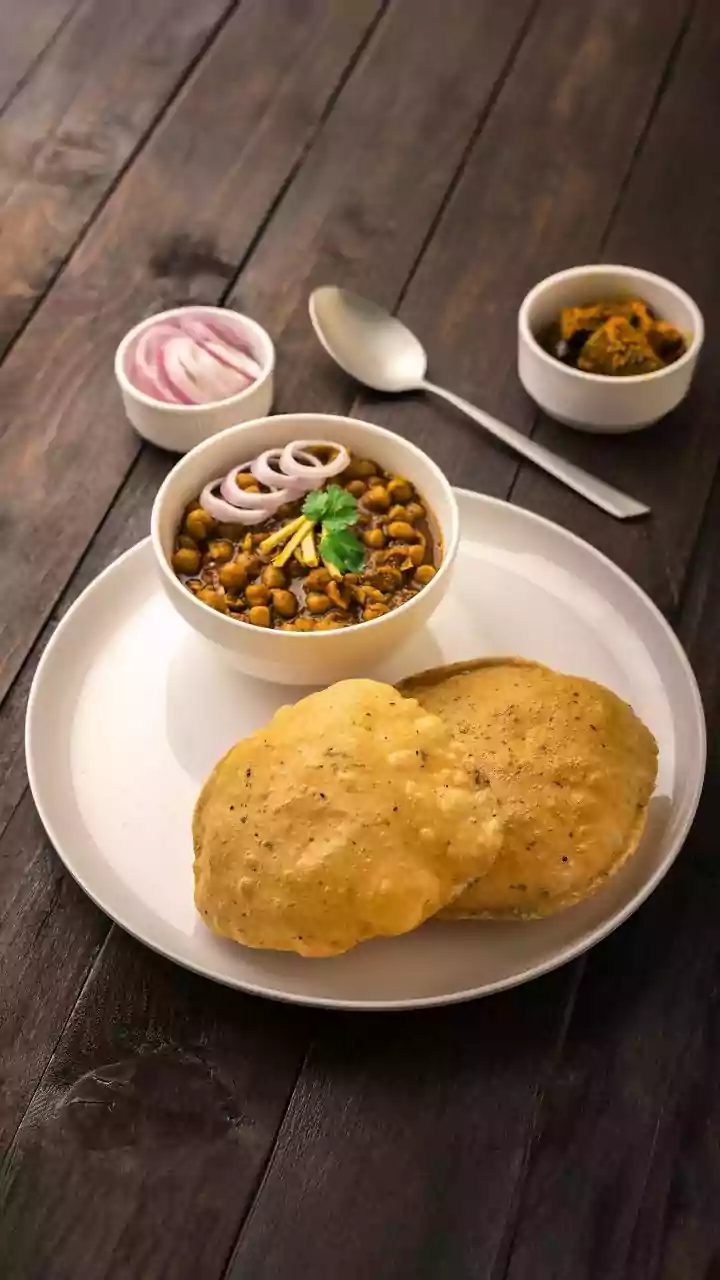
While bajra takes centre stage, other grains also play a vital role. Jowar (sorghum) is another important millet used to make rotis and porridges. Wheat flour is used for deep-fried delights like Bedmi Poori, a fluffy bread stuffed with a spicy urad dal mixture and served with a tangy potato curry. Another popular treat is Methi Bajra Puri, where bajra flour is combined with fresh fenugreek leaves and spices before being fried. Gram flour (besan) is also a breakfast regular, used to make crispy snacks like Patod, where spiced besan paste is spread on colocasia leaves, rolled, steamed, and fried.
How to Experience an Authentic Rajasthani Breakfast
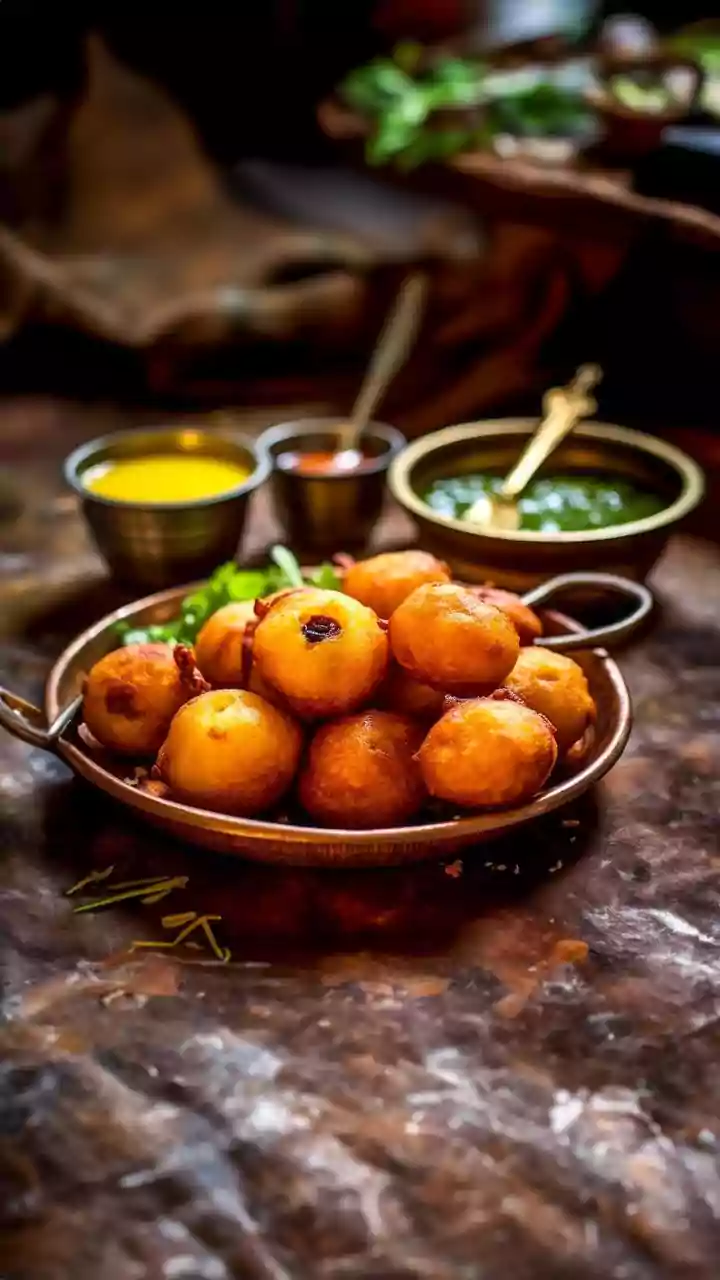
While many hotels offer a standard buffet, seeking out an authentic Rajasthani breakfast is worth the effort. In cities like Jaipur and Jodhpur, look for local eateries and street-side vendors, especially in the old city areas, for fresh Kadhi Kachori or Mirchi Vada. The combination of Pyaaz ki Kachori with sweet and spicy chutneys is a quintessential Jaipur experience. For a taste of rural traditions like Bajra Roti with Lahsun Chutney or Bajra Khichdi, consider staying at a heritage haveli or a rural homestay, where these dishes are often prepared with homegrown care and time-honoured techniques. Don't be afraid to ask for the local morning speciality; it’s the best way to connect with the region's true culinary soul.