




Beyond the Famous Few
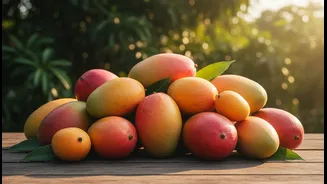
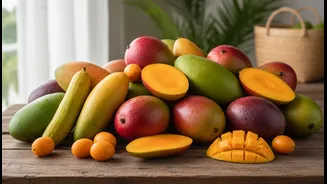
For most, the world of Indian mangoes begins with Alphonso and ends with Kesar, Langra, or Dasheri. While these varieties have rightfully earned their royal status, they represent a tiny fraction of India's staggering mango diversity. The country is home
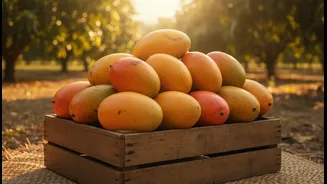
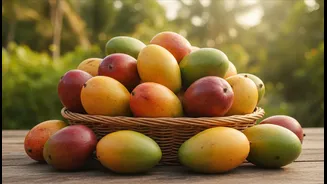
to over a thousand unique cultivars, each with its own history, flavour profile, and connection to a specific region. Many of these are 'heirloom' varieties, cultivated for generations in local communities but rarely seen in commercial markets. These fruits often have shorter shelf lives or less uniform appearances, making them unsuitable for large-scale distribution but perfect for local enjoyment. Now, a growing movement is ensuring these hidden gems get the attention they deserve.
The Festival Spotlight
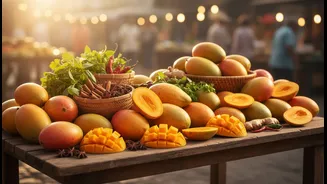
From Delhi to Pinjore and Lucknow to Bengaluru, mango festivals have become a cornerstone of the summer calendar, drawing tens of thousands of visitors. Organised by tourism boards and horticulture departments, events like the UP Mango Festival and Delhi's Aam Mahotsav serve as a critical platform for farmers. These festivals are more than just a place to buy fruit; they are a vibrant celebration of agricultural heritage. Visitors can sample hundreds of varieties, from the well-known to the truly obscure, and buy directly from the growers. This direct connection empowers farmers, giving them a platform to showcase their produce and tell the stories behind their unique crops.
Meet the Unsung Heroes
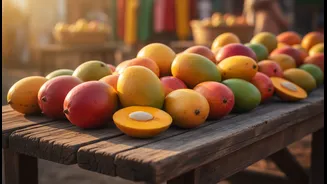
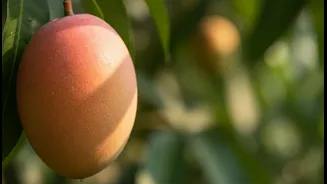
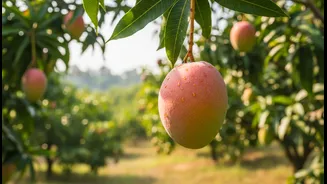
These festivals are introducing a new generation of mango lovers to cultivars like Kari Ishad, Gaurjeet, and Dudhiya Malda. The Kari Ishad, from Ankola in Karnataka, recently earned a Geographical Indication (GI) tag for its unique aroma and luscious taste. It's known for having a very thin skin and a generous amount of sweet pulp. Meanwhile, the Gaurjeet, a favourite in eastern Uttar Pradesh, is an early-season variety celebrated for its intense fragrance and sweetness. Though it has a short shelf life, its popularity is so immense locally that it often sells out at the orchard itself. In Bihar, varieties like Dudhiya Malda—so-named for its milky-white pulp—are local legends that festivals are helping to introduce to a wider audience.
A Boost for Biodiversity and Farmers
The promotion of these overlooked varieties is about more than just finding a new favourite fruit. It is a crucial step in preserving India's agricultural biodiversity. As commercial farming often prioritizes a few high-yield, durable varieties, hundreds of traditional cultivars are at risk of disappearing. Festivals create a market for these rare mangoes, encouraging farmers to continue cultivating them. This not only protects our food heritage but also improves farmer incomes. By bypassing long supply chains and selling directly to consumers, growers can secure better prices and build a loyal customer base. The success of the GI-tagged Kari Ishad, which saw its price double and demand soar, shows the economic potential unlocked by this renewed focus.