





A Valley Blessed by Nature
The journey to understanding Araku coffee's sweetness begins in the Eastern Ghats of Andhra Pradesh. The Araku Valley is a unique geographical pocket with conditions that seem tailor-made for growing high-quality Arabica. At altitudes between 900 and 1,400
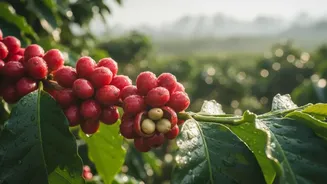
meters, the coffee plants experience cool mountain air and a significant temperature difference between hot days and cool nights. This environment slows down the ripening process of the coffee cherries. A slower maturation allows the natural sugars inside the fruit to fully develop and concentrate, infusing the bean with a profound, inherent sweetness long before it ever meets a roaster.
The Richness of the Soil
The foundation of any great agricultural product is the soil it grows in, and Araku is no exception. The valley's laterite soil is naturally rich in iron and other minerals, creating a robust and complex base for the coffee plants. This mineral-dense soil contributes directly to the structure and flavour of the bean. Unlike monoculture plantations, coffee in Araku is grown under a diverse canopy of native trees like mango, jackfruit, and silver oak. This practice not only provides essential shade but also enriches the soil with organic matter from falling leaves, creating a vibrant, living ecosystem that nourishes the coffee without the need for chemical fertilizers.
Farming in Harmony with the Earth
The cultivation methods in Araku are central to the coffee's quality. The region is home to the world's largest certified organic and biodynamic coffee plantation. Biodynamic farming, an enhanced form of organic agriculture, treats the entire farm as a single, self-sustaining organism. This means no chemical pesticides or fertilisers are used. Instead, farmers rely on natural composting, crop rotation, and preparations that enrich the soil's vitality. This holistic approach, which aligns with the traditional beliefs of the local communities, results in healthier, more resilient plants that are better equipped to produce high-quality, flavourful cherries.
The Human Touch of Adivasi Farmers
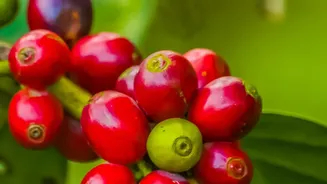
The true heroes of the Araku coffee story are the Adivasi farmers. For generations, these tribal communities have been stewards of the land. Their deep, ancestral knowledge of the forest is the secret ingredient. Coffee is harvested entirely by hand, a meticulous process that mass-production methods cannot replicate. Farmers patiently select and pick only the perfectly ripe, crimson-red cherries, leaving unripe ones on the branch. This selective harvesting is crucial, as it eliminates the bitterness that often comes from mixing unripe and overripe fruit, ensuring a clean and sweet final cup.
A Symphony of Sweet and Complex Flavours
The result of this unique combination of terroir, technique, and tradition is a coffee that is remarkably balanced and sweet. Unlike some intensely acidic or heavy, earthy coffees, Araku Arabica is known for its medium body and bright, pleasant acidity. The flavour profile is a symphony of delicate notes. Tasters often describe a prominent jaggery-like or caramel sweetness, complemented by hints of dark chocolate, citrus, and berries. Depending on the specific plot and processing method—which can include washed, natural, or honey processes—notes of vanilla, stone fruits, or even a delicate floral aroma can emerge, creating a sophisticated yet comforting brew.