



The Rise of Performative Eating
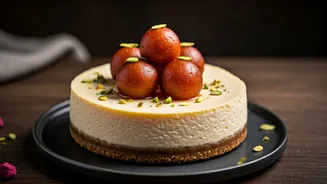
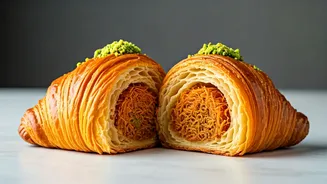
Scroll through any social media feed in India, and you'll find a buffet of absurdity. A thali so large it requires two people to carry it. A biryani pot topped with flaming charcoal. A vada pav coated in edible gold leaf. This isn't just food; it's content.
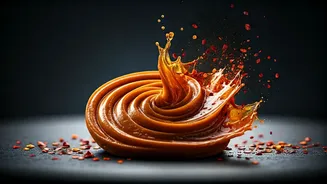
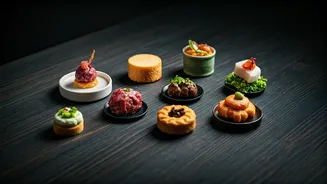
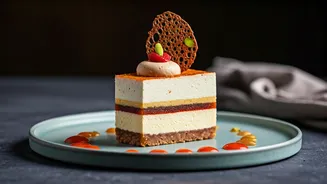
Every dish is a potential spectacle, engineered not necessarily for taste but for its visual 'wow' factor. We've entered an era of performative eating, where the primary purpose of a meal is to be filmed, photographed, and shared. These stunts thrive on novelty. They offer a jolt of surprise in an otherwise predictable timeline. The 'flying dosa' maker in Mumbai or the 'fire paan' vendor in Delhi aren't just cooks; they're entertainers. Their kitchens are stages, and their ingredients are props. While there's a certain fleeting fun to it, this trend reduces the profound act of cooking and eating to a cheap gimmick. The focus shifts from flavour, texture, and aroma to the shock value of the presentation. It’s a transaction designed for a 15-second reel, not for lasting satisfaction.
The Empty Calories of Virality
The problem with food-as-spectacle is that, like most spectacles, it’s often hollow. Once the camera is turned off and the post is uploaded, what remains? Often, a lukewarm, overpriced dish that prioritised looks over substance. The giant paratha is more dough than filling, the cheese pull is achieved with additives that compromise texture, and the gold leaf adds nothing to the taste but plenty to the bill. This culture of viral stunts creates a cycle of culinary FOMO (Fear Of Missing Out). We chase the next big thing, ticking off trending foods like items on a checklist. But the dopamine hit is short-lived. It’s the sugar rush of the food world—an intense spike followed by a crash. It lacks the deep, slow-burning energy that comes from a truly nourishing experience. We consume the image of the food more than the food itself, leaving us digitally full but emotionally and gastronomically hungry for something more.
Defining the 'Meaningful Meal'
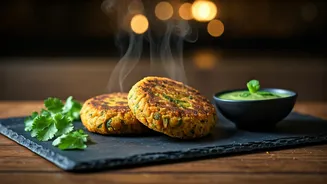
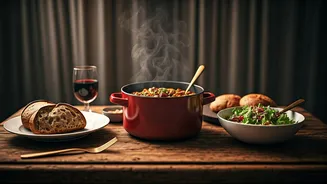
So, what is the antidote? It’s the meaningful meal. This isn’t about expensive ingredients or complicated techniques. Its value lies not in what’s on the plate, but in the context surrounding it. A meaningful meal is steeped in memory, connection, and tradition. It’s the simple rajma chawal your mother makes, a recipe perfected over decades that tastes like home. It’s the steaming hot chai and pakoras shared with friends on a rainy afternoon, the conversation flowing as freely as the tea. It’s the festive feast of puri, kheer, and sabzi prepared during Diwali, each dish carrying the weight of generations of tradition. It’s the lunchbox meal shared with office colleagues, a small act of community in the middle of a hectic day. These meals are about commensality—the act of eating together. They are about storytelling, with every bite evoking a memory or creating a new one. The flavours are intertwined with emotions: love, comfort, celebration, and belonging. This food isn't designed to be viral; it's designed to be vital.
Choosing Connection Over Clicks
Pitting a home-cooked meal against a viral food stunt isn't a fair fight, because they aren’t competing on the same terms. One is an experience, the other is an event. One is about nourishment, the other is about novelty. The choice isn't about being a food snob or rejecting fun. It's about being intentional with what we seek from our food. There's a quiet joy in sitting down to a meal that requires no documentation. A meal where the only audience is the people you're with, and the only 'like' that matters is the satisfied silence after the first bite. These are the meals that build the fabric of our lives. They are the landmarks of our personal histories. The taste of your grandmother’s pickle will linger in your memory far longer than the image of a nitrogen-smoked dessert. The comfort of a simple khichdi when you’re unwell provides a solace that no 1,000-rupee gold-plated dish can buy.