




Choose Your Destination Wisely
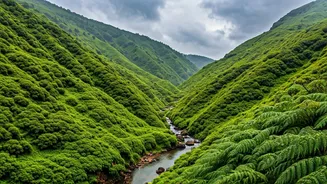
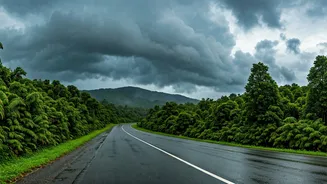
The first step to a successful monsoon trip is selecting a location that truly comes alive in the rain. Hill stations like Munnar in Kerala, Coorg in Karnataka, and Lonavala in Maharashtra become spectacularly green and enchanting. The waterfalls are
in full force, and the misty atmosphere can be magical. However, it's crucial to be aware of the risks. Some mountainous regions, particularly in the Himalayas, can be prone to landslides during heavy rains, making travel hazardous. It's wise to avoid trekking in such high-risk zones. Destinations like Ladakh or Spiti Valley, which fall in a rain shadow area, experience minimal rainfall and are excellent choices for July. Similarly, parts of Rajasthan like Udaipur see just enough rain to make the landscape beautiful without the travel disruptions common elsewhere. Always check regional weather forecasts and local advisories before you book.
Your Essential Monsoon Packing List
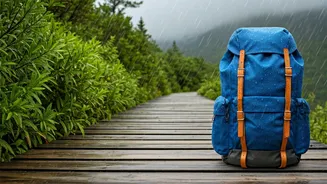
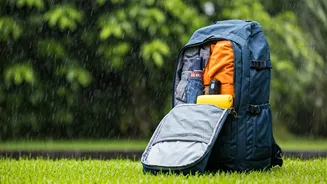
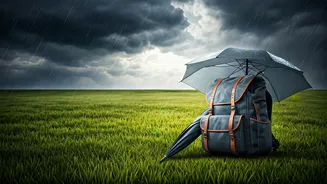
Packing for a monsoon trip is a science. The goal is to stay dry and comfortable without being weighed down. Prioritise quick-drying fabrics like polyester and nylon, and avoid heavy materials like denim that take ages to dry. A reliable, lightweight raincoat or poncho is non-negotiable. A good poncho can also cover your backpack. Speaking of which, a waterproof backpack cover is essential for protecting your belongings. For extra security for your electronics, use dry bags or even simple Ziplock bags. When it comes to footwear, leave the leather at home. Opt for waterproof shoes with a good grip, like rubber sandals or anti-skid trekking shoes, to navigate slippery surfaces and unexpected puddles safely. Don’t forget to pack an extra pair of socks and undergarments to ensure you always have something dry to change into.
Navigating Your Journey Safely
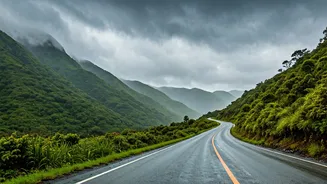
Travel during the monsoon often requires patience and flexibility. Road travel can be unpredictable, with risks of waterlogging and poor visibility. If you're driving, ensure your car is serviced, with special attention to tyres, brakes, and windscreen wipers. Reduce your speed, maintain a safe distance from other vehicles, and avoid driving through flooded streets. It's also a good idea to keep your fuel tank full, as traffic jams are more common. Flight and train schedules can also be disrupted, so it’s smart to build buffer days into your itinerary. Don't over-schedule your days; the weather might have other plans. A relaxed itinerary allows you to truly savour the rainy-day atmosphere, perhaps with a book and a cup of tea, without the stress of a missed activity.
Staying Healthy on the Go
The monsoon brings an increased risk of water-borne and mosquito-borne illnesses. Be vigilant about your health. Drink only bottled, boiled, or purified water and avoid tap water completely. Be cautious with street food, as high humidity can cause food to spoil faster. Opt for freshly cooked meals from hygienic restaurants. Mosquitoes are rampant during this season, so a good insect repellent is a must. Wearing long-sleeved clothing can also offer protection. Pack a basic first-aid kit with medications for common ailments like colds, fever, and stomach issues, along with antiseptic wipes and bandages. It’s also wise to carry hand sanitiser for situations where soap and water aren’t readily available.