




A Journey Through Time
For centuries, the rock-hewn caves of Ajanta and Ellora have stood as silent witnesses to the rise and fall of empires. Today, they are UNESCO World Heritage sites, drawing visitors from across the globe who come to marvel at their grandeur. These are not
merely caves but sprawling complexes of monasteries, temples, and art galleries carved by hand from solid rock. Their continued popularity stems from a unique combination of artistic genius, architectural prowess, and deep spiritual significance that offers a profound connection to India's rich past. While often spoken of together, each site offers a distinct and unforgettable experience.
Ajanta: A Painted Gallery of Ancient Life
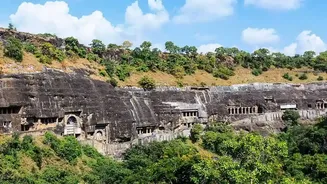
The Ajanta caves, nestled in a horseshoe-shaped gorge, are renowned for their breathtaking murals. Dating back to the 2nd century BCE, these 30 Buddhist caves served as monastic retreats. What truly sets Ajanta apart are its paintings, which are among the finest surviving examples of ancient Indian art. Created using natural pigments, these frescoes depict the Jataka tales—stories of the Buddha's previous lives—as well as vivid scenes of royal courts, daily life, and nature. For modern visitors, walking through these halls is like stepping into a vibrant, 2,000-year-old storybook, where the emotions and narratives on the walls feel astonishingly alive.
Ellora: A Symphony of Faiths in Stone
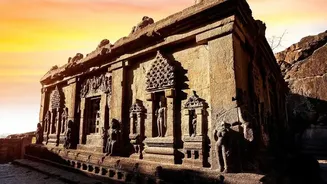
About 100 kilometres from Ajanta, the Ellora caves present a different, yet equally awe-inspiring, spectacle. This vast site, with its 34 caves, is a remarkable testament to religious harmony, featuring sanctuaries dedicated to Buddhism, Hinduism, and Jainism, all carved in close proximity. While Ajanta captivates with its paintings, Ellora stuns with its monumental sculptures and architectural ambition. The caves here were created between the 6th and 10th centuries CE, showcasing the evolution of rock-cut architecture over centuries. The coexistence of religious iconography from three different faiths makes Ellora a powerful symbol of the subcontinent's long history of pluralism.
The Unmatched Marvel of Kailasa Temple
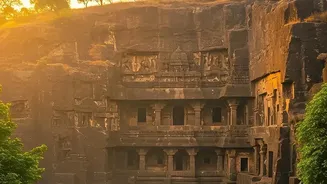
The undisputed centrepiece of Ellora is the Kailasa Temple (Cave 16). It is not a cave in the traditional sense but an entire temple complex carved, incredibly, from a single piece of rock. This monolithic structure, dedicated to Lord Shiva, was excavated from the top down, a feat of engineering that continues to baffle experts today. It is the largest monolithic excavation in the world. Artisans are estimated to have removed over 400,000 tons of rock to reveal the temple, which features a multi-storey main shrine, intricate galleries, and life-sized sculptures of elephants. The sheer scale and meticulous detail of the Kailasa Temple represent the zenith of rock-cut architecture, making it a primary reason why Ellora remains a must-see destination.
What Draws the Modern Traveller?
In an age of fleeting digital content, the permanence of Ajanta and Ellora offers a powerful allure. For history buffs and art lovers, they provide an unparalleled look into ancient Indian aesthetics and craftsmanship. For spiritual seekers, the serene monasteries and temples offer a tangible link to centuries of devotion. And for the everyday tourist and photographer, the sites present a spectacle of natural beauty and human ingenuity that is simply breathtaking. The convenience of tours, such as those offered by IRCTC that often combine these sites with spiritual hubs like Shirdi, makes these profound historical experiences more accessible than ever.