







Why Your Diet Needs a Monsoon Makeover
During the rainy season, the digestive system, or 'agni' in Ayurveda, is considered to be at its weakest. This makes us more susceptible to indigestion, bloating, and infections. The damp environment also allows bacteria and fungi to thrive, contaminating
food, especially raw produce. Therefore, choosing vegetables that are light, easy to digest, and possess antimicrobial properties becomes crucial. The goal is to nourish the body without overburdening the gut, keeping you energetic and infection-free through the greyest of days.
1. Bottle Gourd (Lauki)
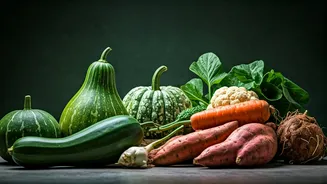
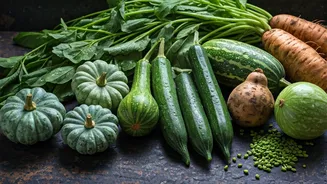
This humble vegetable is a monsoon superstar. Composed of over 90% water, lauki is incredibly hydrating and extremely light on the stomach. It's rich in fibre, which aids digestion and prevents constipation—a common issue when physical activity levels drop due to rain. Its cooling properties help manage acidity. Furthermore, it contains essential minerals like sodium, potassium, and iron, helping replenish what you might lose through sweat in the humid weather. A simple lauki sabzi with minimal spices or a nourishing soup is an excellent addition to your rainy season meals.
2. Bitter Gourd (Karela)
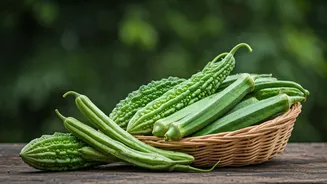
Don't let the bitter taste fool you; karela is one of the most powerful medicinal vegetables you can eat during the monsoon. It's packed with antiviral and antibacterial properties that help bolster your immune system against common infections like the cold and flu. Bitter gourd is also excellent for managing blood sugar levels and purifying the blood. Its bitter compounds stimulate digestive enzymes, improving gut function. To make it more palatable, you can stir-fry it with onions, stuff it with a spice mix, or add small pieces to your dal.
3. Pointed Gourd (Parwal)
Parwal, also known as potol in some regions, is another easily digestible vegetable perfect for this season. It's a great source of vitamins A and C, which are antioxidants that strengthen the immune system. According to traditional wisdom, it helps keep cough, cold, and headaches at bay. Its seeds are known to help control cholesterol levels, and its high fibre content ensures a healthy digestive tract. Parwal can be used to make a simple fry, a flavourful curry, or even stuffed preparations.
4. Ridge Gourd (Turai)
Similar to lauki, turai (or tori) is another gourd that is low in calories and high in water content. It acts as a natural coolant for the body. What makes it particularly good for the monsoon is its role as an 'immuno-booster'. Rich in vitamin C, iron, and magnesium, it helps the body fight off infections. Its pulp is a good source of dietary fibre, and it also contains insulin-like peptides that can help control blood sugar. A simple turai sabzi, perhaps cooked with chana dal, is both delicious and wholesome.
5. Tubers and Roots (Turmeric & Ginger)
While not vegetables in the classic sense, fresh turmeric (kacchi haldi) and ginger (adrak) are indispensable during the monsoon. Both are renowned for their potent anti-inflammatory and antiseptic properties. Ginger is a fantastic digestive aid, soothing the stomach and preventing nausea. Turmeric's active compound, curcumin, is a powerful antioxidant that boosts immunity. Add freshly grated ginger to your tea, and a pinch of fresh or powdered turmeric to your milk or curries to leverage their protective benefits.
A Note on Leafy Greens
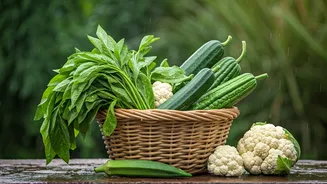
You might have heard advice to avoid leafy greens like spinach (palak) and fenugreek (methi) during the monsoon. This isn't because the vegetables themselves are bad, but because the dampness and mud make them more prone to contamination with dirt, germs, and pests. If you do choose to eat them, be extra cautious. Wash them thoroughly in clean water, perhaps with a bit of salt or vinegar, and always cook them well. Avoid eating them raw in salads or chutneys during this season.