



The Core Difference: History vs. Horizon
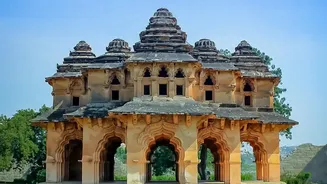
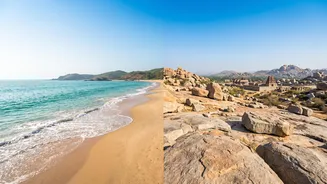
At its heart, the choice between Hampi and Gokarna is a choice between two vastly different landscapes and experiences. Hampi, a UNESCO World Heritage site, is a sprawling open-air museum set amidst a unique boulder-strewn terrain. It’s a journey back
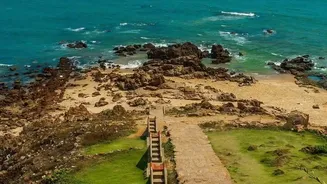
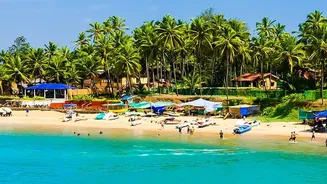
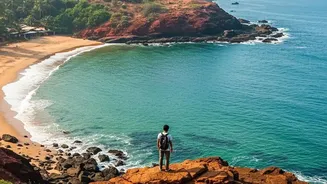
in time to the majestic Vijayanagara Empire. Its appeal is historical, architectural, and almost surreal. Gokarna, on the other hand, is a coastal town where the Arabian Sea laps against pristine beaches. It's a destination defined by its relaxed, spiritual vibe, often seen as a quieter alternative to Goa. One is for the history buff and explorer; the other is for the beach lover and soul-searcher.
Hampi: A Walk Through A Lost Empire
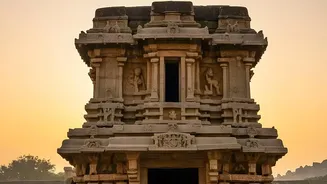
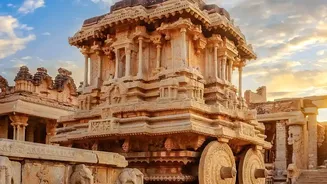
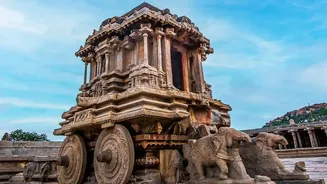
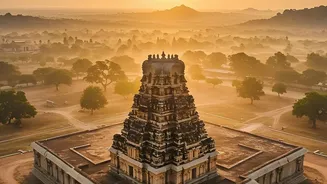
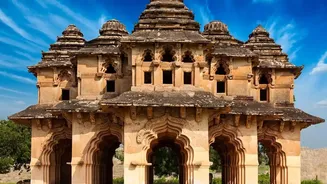
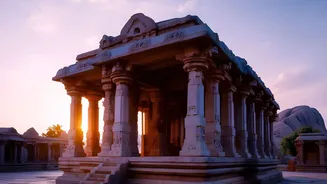
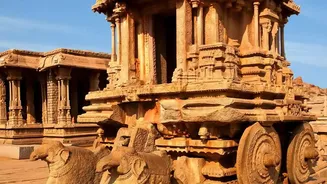
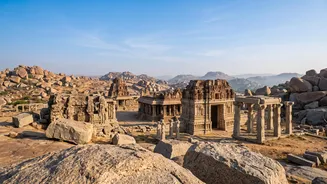
To visit Hampi is to step into a landscape that feels both epic and otherworldly. The ruins of the Vijayanagara Empire are spread over a vast area, dotted with more than 1,600 surviving remains, including temples, palaces, and marketplaces. The must-visit sites are legendary: the Virupaksha Temple, which has been an active place of worship since the 7th century, and the Vijaya Vittala Temple, famous for its incredible stone chariot and musical pillars. The entire area is set against a stunning backdrop of giant granite boulders and the gently flowing Tungabhadra River. Days in Hampi are spent climbing hills like Matanga for sunrise views, exploring the intricate carvings of the Hazara Rama Temple, and imagining the grandeur of the Royal Enclosure.
Gokarna: Sun, Sand, and Spirituality
Gokarna’s identity is twofold: it is both a revered pilgrimage centre and a laid-back beach destination. The town itself is home to the ancient Mahabaleshwar Temple, dedicated to Lord Shiva, which draws pilgrims from all over India. But for many travellers, the main draw is the string of beautiful beaches that lie just south of the town. Kudle Beach and Om Beach, named for its distinct shape, are popular spots with cafes and a gentle, bohemian atmosphere. For more seclusion, travellers can trek or take a boat to the more remote Half Moon Beach and Paradise Beach. The vibe here is slow, relaxed, and deeply connected to the rhythm of the sea. It's a place for long walks on the sand, yoga at sunset, and simply disconnecting from the rush of daily life.
The Vibe: Ancient Grandeur vs. Coastal Calm
The atmosphere in each location is a direct reflection of its landscape. Hampi has an energetic, exploratory vibe. It attracts history enthusiasts, photographers, and backpackers who are drawn to the scale of the ruins and the dramatic scenery. The 'hippie island' across the river is known for its guesthouses and cafes that cater to a global crowd. In contrast, Gokarna’s vibe is one of tranquillity and spiritual calm. While it attracts its share of backpackers, the pace is slower. The air is a mix of salty sea breeze and the faint scent of incense. It's less about a packed itinerary and more about finding a quiet spot on the beach to watch the waves.
Which Holiday Is Right for You?
So, how do you choose? If your ideal holiday involves active exploration, marvelling at ancient architecture, and feeling the weight of history under your feet, Hampi is your clear winner. It demands to be explored and rewards every effort with breathtaking sights and a sense of discovery. If, however, your idea of a perfect getaway involves waking up to the sound of the ocean, spending your days with a book on a sandy shore, and embracing a more meditative pace, then Gokarna is the destination for you. It’s a place to unwind and recharge, with the added dimension of a deep-rooted spiritual culture. The best time to visit either destination is generally from October to February, when the weather is pleasant for exploring ruins or relaxing on the beach.