


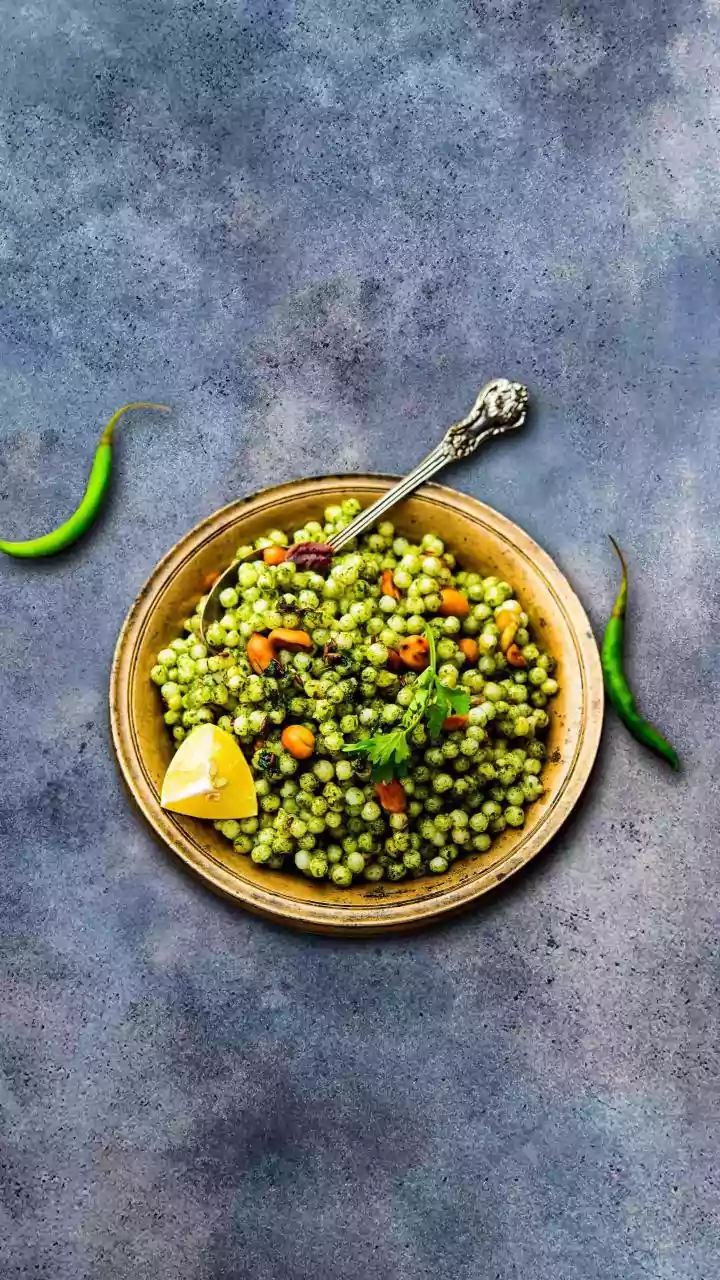



The New Comfort Philosophy
Rainy day food is synonymous with warmth, nostalgia, and a feeling of being cared for. For years, that translated to heavy stews, dense casseroles, and carb-laden bakes. While delicious, these dishes can often leave you feeling sluggish. The modern approach
to comfort food isn't about ditching the coziness; it's about redefining it. The goal is to create meals that soothe the soul without weighing down the body. This new philosophy focuses on building deep, satisfying flavor through smarter techniques and vibrant ingredients, proving that comfort can be both hearty and enlivening. It's about finding balance, where a dish can be rich and satisfying but also incorporate elements of freshness that make it feel new and exciting. This evolution turns classic comfort food into something that combines tradition with contemporary needs for lighter, healthier options.
Embrace Acidity and Brightness
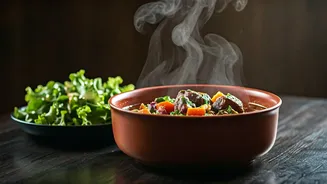
One of the fastest ways to cut through richness and add a fresh dimension is with acidity. A simple squeeze of lemon or a splash of vinegar can completely transform a dish. Think about a rich, slow-cooked beef stew; a little bit of red wine vinegar or a gremolata (a mix of parsley, lemon zest, and garlic) sprinkled on top just before serving can awaken all the flavors. This technique doesn't mask the deep, savory notes but rather provides a counterpoint that makes each bite more interesting. Citrus zest, in particular, adds a fragrant aroma and a burst of flavor without making the dish sour. Even creamy pasta sauces and hearty soups benefit from this trick. A classic tomato soup, for example, feels brighter and more dynamic with a touch of basil and a little zest.
Let Fresh Herbs Do the Heavy Lifting
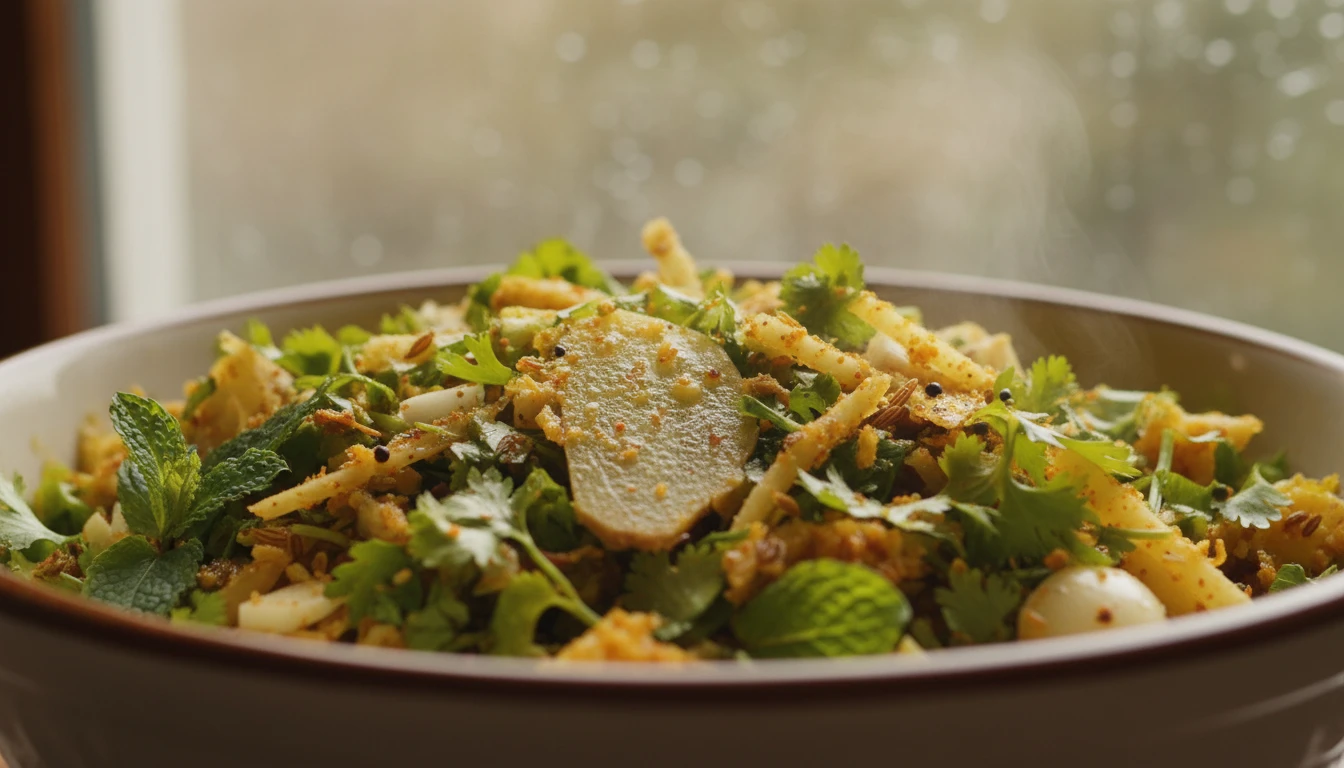
Herbs are your secret weapon for adding freshness without calories. Instead of being just a garnish, fresh herbs can be a core component of a dish, adding layers of flavor. Soft herbs like parsley, cilantro, dill, and mint are perfect for this. They can be stirred into a dish at the very end of cooking to preserve their bright, clean taste. Imagine a creamy potato and leek soup finished with a generous handful of chopped dill, or a spicy chili topped with fresh cilantro and a dollop of sour cream. These additions provide a pop of color and a fresh aroma that signals a lighter, more vibrant meal. You can even make simple herb-based sauces like chimichurri or pesto to drizzle over roasted meats or vegetables, instantly elevating a simple meal into something special.
Rethink Your Foundation
Many classic comfort dishes start with a heavy base of butter, cream, or rich meats. While these have their place, lighter alternatives can be just as satisfying. For creamy soups and sauces, try using pureed vegetables like cauliflower or butternut squash to create a velvety texture. In mashed potatoes, swapping some of the cream and butter for chicken or vegetable broth and a good quality olive oil can create a lighter, more flavorful result. When it comes to proteins, consider leaner options like ground turkey or chicken in meatballs and meatloaf, or even incorporating more plant-based meals like a hearty lentil soup or a black bean chili. These swaps reduce the heaviness of the dish while still providing that comforting, stick-to-your-ribs satisfaction.
Add Texture for a Fresh Finish
Sometimes, freshness isn't just about flavor—it's also about texture. Heavy, one-note dishes can feel monotonous. Adding a crunchy, fresh element at the end can make a world of difference. Toasted nuts or seeds, crispy fried shallots, fresh breadcrumbs, or even finely chopped raw vegetables like radishes or celery can add a delightful contrast to a soft, stewy dish. Consider a bowl of creamy polenta topped with sautéed mushrooms and a sprinkle of toasted pumpkin seeds, or a baked macaroni and cheese finished with herbed breadcrumbs. These toppings don't just add crunch; they contribute their own layer of flavor, making the entire dish more complex and enjoyable to eat. It’s a simple step that signals a thoughtful, modern approach to a classic meal.