



The Humble Powerhouses: What Are They?
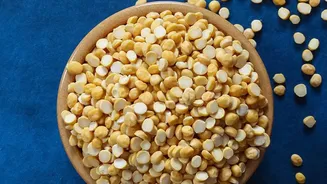
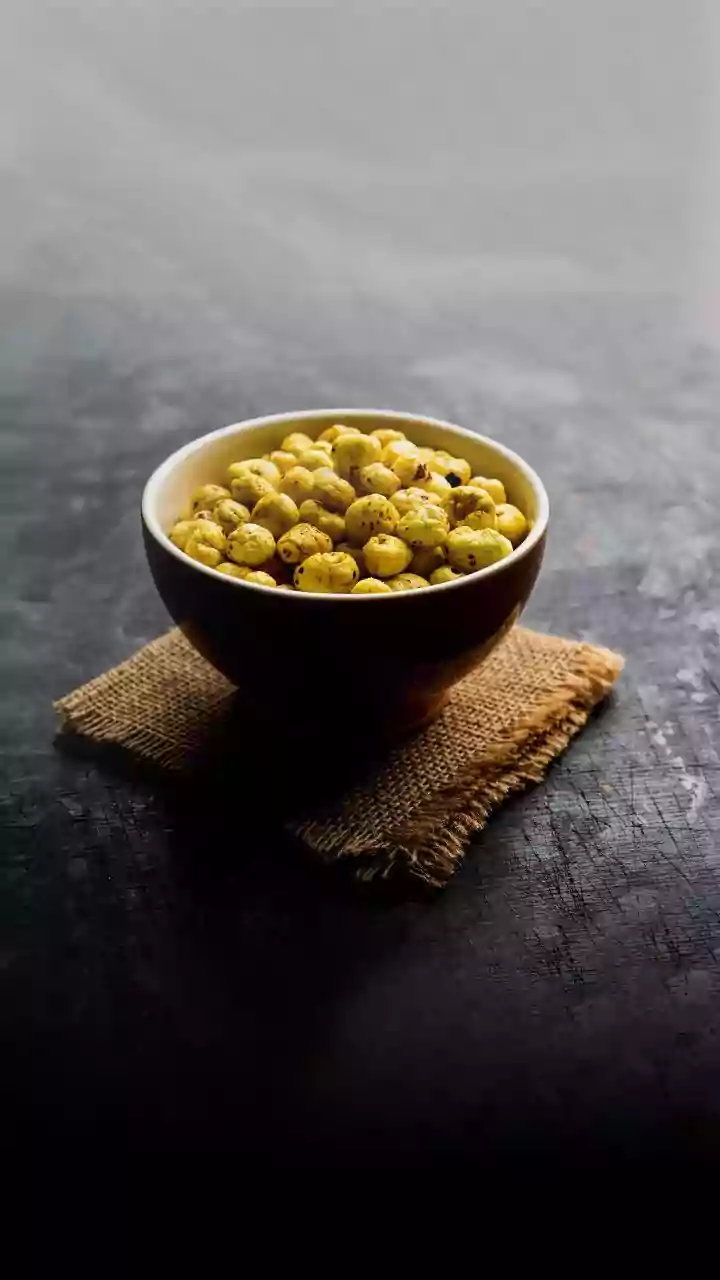
For generations, sattu and sprouted chana have been staples in Indian households, known for their simplicity and nutritional value. Sattu is a flour made from roasted Bengal gram (kala chana). The roasting process gives it a unique nutty flavour and,
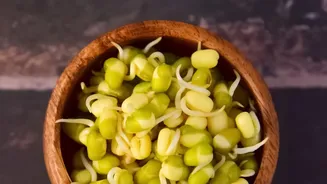
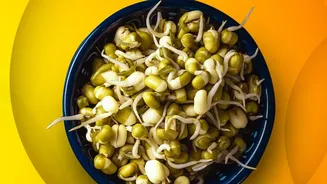
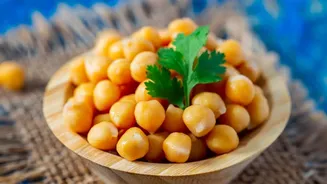
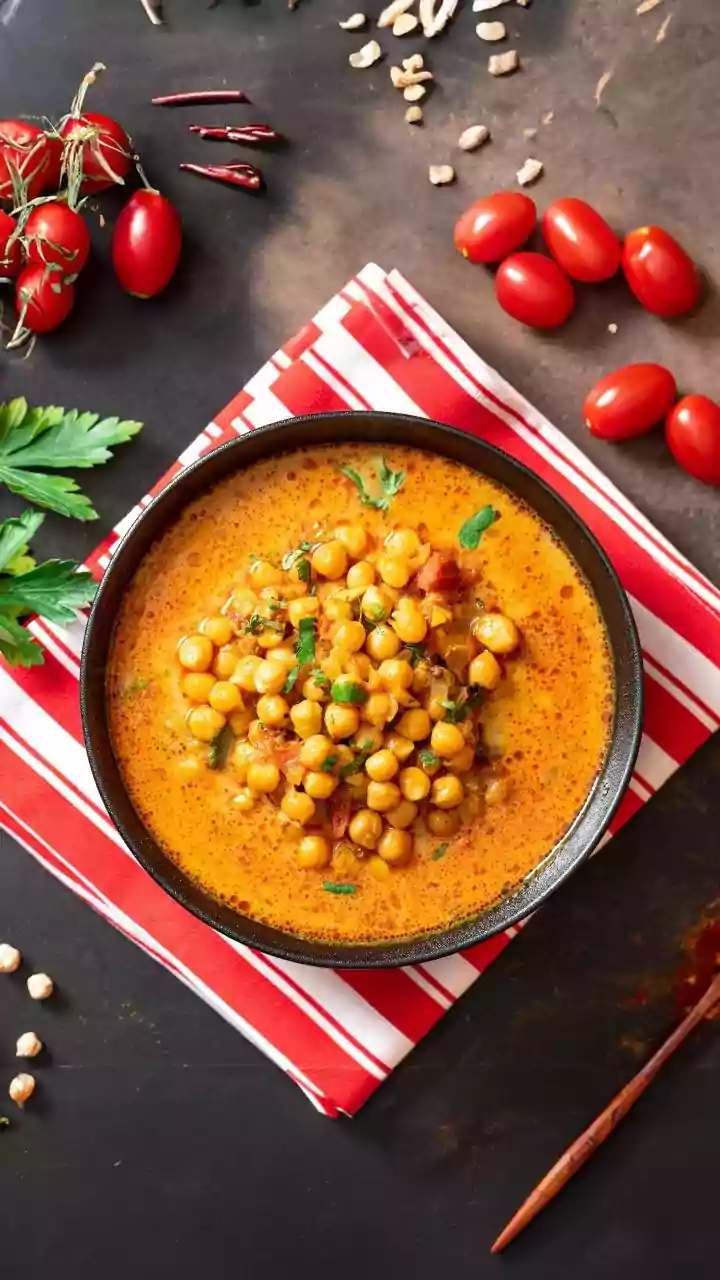
importantly, makes it easier to digest than raw gram flour (besan). Sprouted chana, on the other hand, are simply whole chickpeas that have been allowed to germinate. This natural sprouting process transforms the legume, making its nutrients more available to the body. Both are celebrated not just for their heritage but for their incredible convenience as ready-to-eat or easy-to-prepare whole foods.
A Serious Protein and Fibre Punch
The main reason for their surging popularity is their impressive nutritional profile. Chana sattu is a protein heavyweight, offering roughly 20 to 25 grams of protein per 100 grams. This makes it one of the most protein-dense plant-based flours available, ideal for vegetarians and fitness enthusiasts. Beyond protein, sattu is loaded with dietary fibre, which aids digestion, promotes a feeling of fullness, and helps manage weight. It also has a low glycaemic index, providing sustained energy without causing sharp blood sugar spikes. Sprouted chana shares a similar profile, rich in protein and fibre. The act of sprouting increases its vitamin content and makes minerals more bioavailable, essentially turning it into a living food packed with enzymes and antioxidants.
Why the Sudden Popularity Surge?
Several factors are driving the return of these traditional foods. There is a growing global movement towards clean eating and plant-based diets, with consumers actively seeking natural, unprocessed options over packaged supplements. Sattu and sprouted chana perfectly fit this trend. The 'go local' sentiment has also encouraged people to rediscover indigenous ingredients that are both sustainable and affordable. Health and fitness influencers on social media have played a significant role, highlighting these ingredients as effective, budget-friendly alternatives to expensive whey protein and imported superfoods. This modern endorsement has reintroduced these humble staples to a new, health-conscious generation that values both tradition and science-backed nutrition.
Simple, Versatile, and Easy to Eat
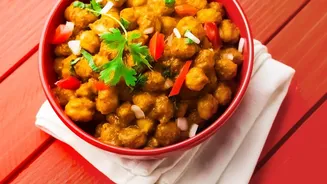
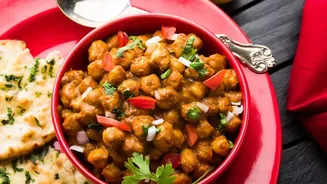
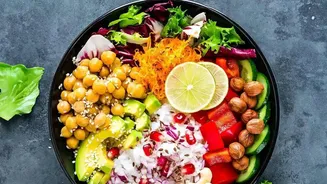
A key part of their appeal is their versatility. The most common way to consume sattu is as a refreshing drink, or 'sharbat', mixed with water, black salt, and lemon juice — a traditional summer cooler that hydrates and energises. But its use doesn't stop there. Sattu can be kneaded into dough for parathas or rotis, mixed with ghee and jaggery to make nutritious laddoos, or even used as a base for savoury pancakes (chillas). Sprouted chana is even simpler. It can be eaten raw as a crunchy snack, often tossed with chopped onions, tomatoes, and spices to create a quick chaat. It also serves as a fantastic, protein-rich addition to salads, providing texture and a substantial nutritional boost without any cooking required.