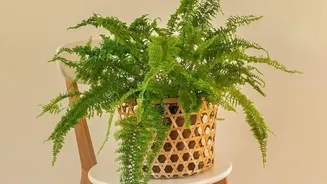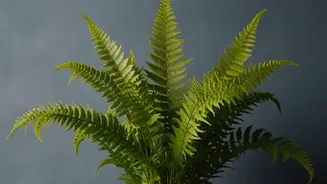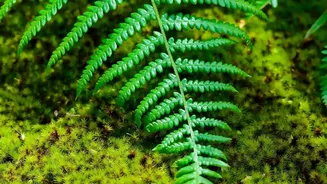






The lush, feathery fronds of an indoor fern can make any room feel like a woodland escape. But keeping them vibrant can be a challenge, often resulting in crispy, brown tips. The secret often lies in one simple, yet crucial, practice: misting.
A Natural Craving for Humidity
To understand
why ferns need misting, you have to think about where they come from. These are ancient plants, evolved to thrive on the floors of tropical and subtropical forests. In their natural habitat, they are constantly surrounded by moist air, shielded from harsh sun by a dense canopy of trees. The air in most modern homes, especially with central heating or air conditioning, is far drier than this. This low humidity is the primary culprit behind many common fern problems, such as the browning and drying of frond tips. While you can't turn your living room into a rainforest, you can replicate that essential moisture, and misting is the most direct way to do it.
The Benefits of a Gentle Spray
Misting your fern does more than just wet the leaves; it temporarily creates a pocket of high humidity around the plant, mimicking the moist air of its native environment. This process helps the delicate fronds retain their moisture, preventing them from drying out and turning brown. Regular misting can also help keep the leaves clean of dust, which allows the plant to breathe and absorb light more efficiently. For certain varieties like the Boston Fern or Maidenhair Fern, which are particularly sensitive to dry air, this practice is especially beneficial for supporting healthy new growth and maintaining that classic, feathery appearance.
The Right Way to Mist Your Ferns
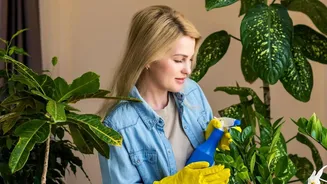
Technique matters when it comes to misting. Simply drenching the plant is not the goal and can even lead to problems like fungal growth. Aim for a fine, gentle mist that evenly coats the fronds without leaving them dripping wet. It's best to mist in the morning, which allows any excess water on the leaves to evaporate during the day. The quality of your water is also important. Many tap waters contain minerals that can leave white spots on the foliage over time. Using distilled, rainwater, or tap water that has been left to sit out overnight is a better choice. A good routine is to mist two to three times a week, but you may need to do it more often if your home is particularly dry.
Is Misting a Complete Solution?
While the headline calls misting 'essential', it's more accurate to say that providing humidity is essential, and misting is a key tool for doing so. However, some experts argue that the effects of misting are very temporary, as the water evaporates quickly. In very dry homes, misting alone might not be enough to keep your fern happy. Crispy fronds despite regular misting can be a sign that you need a more constant source of humidity. Think of misting as one important part of a complete humidity strategy, rather than a single magic bullet. It provides an immediate, targeted boost that works best when combined with other methods.
Beyond the Bottle: Other Humidity Hacks
To create a more consistently humid environment, you can supplement misting with several other effective techniques. One popular method is the pebble tray: place your fern pot on a tray filled with pebbles and water, ensuring the bottom of the pot sits on the pebbles and not in the water itself. As the water evaporates, it creates a personal cloud of humidity for your plant. Grouping your plants together also helps, as they naturally release moisture through a process called transpiration, creating a more humid microclimate. For a truly ideal location, consider placing your fern in a bathroom that gets indirect light, as the steam from showers provides a natural and constant source of humidity. For serious plant enthusiasts in very dry climates, a room humidifier is the most effective way to control humidity levels consistently.