

Start with a Waterproof Foundation
Your first line of defence is your main piece of luggage. While fully waterproof hard-shell suitcases exist, a more practical option for most is a water-resistant backpack or duffel bag. Look for features like sealed seams and water-resistant zippers.
More importantly, invest in a dedicated backpack rain cover. These are lightweight, foldable, and can be deployed in seconds to create an effective shield against downpours. For an extra layer of internal protection, you can line your entire bag with a large, heavy-duty trash bag before you start packing. This simple step acts as a final barrier, ensuring the contents remain dry even if the outer bag gets damp.
Create a Fortress for Your Electronics
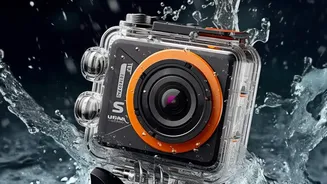
Nothing dampens a trip faster than a dead phone or a water-damaged camera. The cheapest and most accessible hack is to use zip-top plastic bags for smaller items like your phone, wallet, and chargers. You can often still use a touchscreen through the plastic. For larger items like laptops or tablets, dedicated waterproof sleeves or padded cases are a wise investment. For maximum security, especially during outdoor activities, consider a dry bag. These bags use a roll-top closure to create a completely watertight seal, making them ideal for protecting valuable electronics in extreme conditions. Don't forget the small things; silica gel packets, which often come with new electronics, are excellent for tucking into camera cases or laptop bags to absorb ambient moisture and combat humidity.
The Art of Compartmentalisation
Keeping wet and dirty items separate from your clean, dry clothes is the golden rule of wet-weather packing. This is where packing cubes shine. Designate one or two cubes specifically for damp or soiled clothing. This prevents moisture and odour from spreading to the rest of your suitcase. If you don't have packing cubes, simple plastic grocery bags will do the trick. Pack an extra few; they take up no space and are invaluable for quarantining wet swimsuits, a rain-soaked jacket, or muddy socks. This system not only keeps your clean clothes fresh but also makes unpacking and laundry much easier when you get home.
Conquer the Muddy Shoe Problem
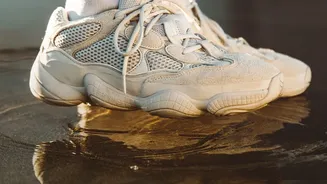
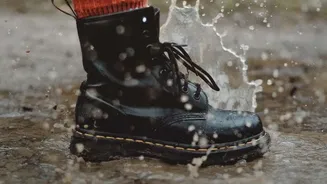
Shoes are often the biggest culprits when it comes to soiling a suitcase. Never pack them directly with your clothes. The best solution is a dedicated shoe bag, which keeps grime contained. In a pinch, disposable shower caps from a hotel room are perfectly shaped to cover the soles of your shoes. If your shoes get soaked through, deal with them immediately. First, remove the insoles and laces to open them up. Then, stuff them tightly with crumpled newspaper, which is incredibly effective at absorbing moisture. Let them sit overnight, replacing the paper if it becomes saturated. Avoid using direct heat sources like hair dryers or radiators, as this can damage the glue and materials of the shoe.
Choose Fabrics and Extras Wisely
The clothes you choose to pack can make a significant difference. Opt for quick-drying synthetic fabrics like nylon and polyester over cotton, which holds onto moisture for a long time. A quick-dry microfibre towel is another essential item; it's lightweight, highly absorbent, and dries much faster than a standard cotton towel, making it perfect for travel. Also, consider packing a small, foldable umbrella and a lightweight raincoat or poncho, even if you have a waterproof jacket. They provide quick and easy protection for you and your daypack during unexpected showers.