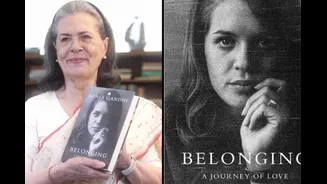

A recent nostalgic memory shared by Sonia Gandhi has cast a spotlight on a beloved, aromatic dish from the valleys of Kashmir. Her mention of a 'sweet rice' tradition connects to Modur Pulav, a celebrated culinary gem.
A Sweet Memory Shared
In a recent video conversation with
her daughter Priyanka and granddaughter Miraya, Sonia Gandhi fondly recalled Diwali celebrations at 1, Safdarjung Road, the former residence of her mother-in-law, Indira Gandhi. Amidst memories of lighting diyas and the firecracker runs to Chandni Chowk, she mentioned a specific culinary tradition. 'On festivals, we always used to have Kashmiri food and that sweet rice… which we still make, by the way,' she shared. Though she didn't name the dish, her description immediately brought to mind Modur Pulav, a quintessential sweet rice preparation that holds a special place in Kashmiri festivities. This tradition is deeply rooted in the Nehru family's Kashmiri Pandit heritage, a culinary thread that has been lovingly maintained through generations.
What Exactly Is Modur Pulav?
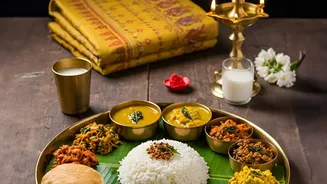
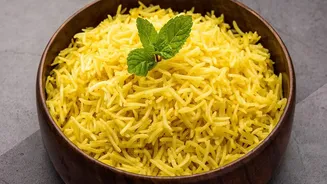
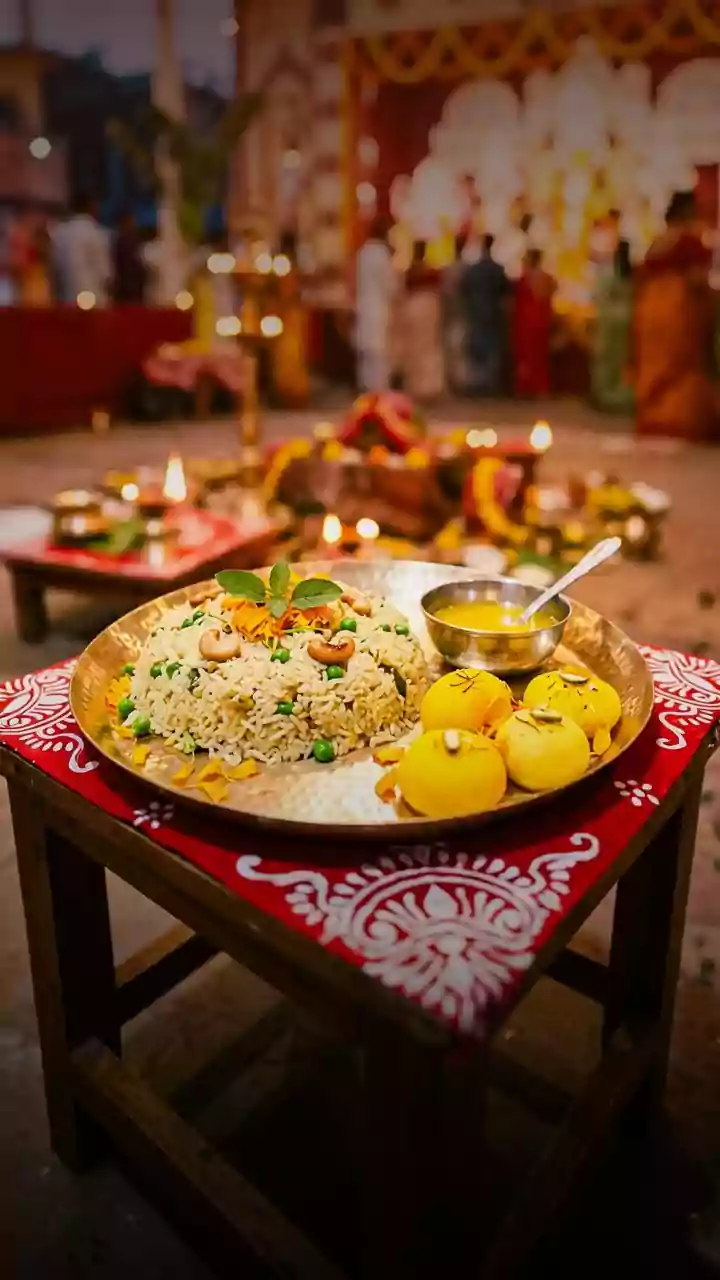
First, it's important to understand what it isn't: a savoury dish. The word 'Modur' in Kashmiri means sweet, and the dish lives up to its name. Unlike the spicy, vegetable-laden pulaos common across India, Modur Pulav is a fragrant, golden-hued rice preparation that delicately balances sweetness with aromatic spices. It occupies a unique space between a main course and a dessert, often served as part of a larger feast to provide a delightful contrast to savoury curries. Made with long-grain Basmati rice, ghee, sugar, and a generous amount of dried fruits and nuts, it's a dish reserved for moments of celebration, such as weddings and festivals.
A Symphony of Saffron and Spice
The magic of Modur Pulav lies in its exquisite blend of ingredients. The soul of the dish is high-quality Basmati rice, cooked to perfection. Its signature golden colour and enchanting aroma come from saffron, the prized spice grown in the fields of Pampore in Kashmir. The sweetness is derived from sugar, which is often cooked into a light syrup first. This is then infused with whole spices like cinnamon, green cardamom, and cloves that release their fragrance into the ghee-laden rice. The final flourish is a generous scattering of nuts and dried fruits—typically almonds, cashews, pistachios, and raisins—which are lightly fried in ghee to add a delightful crunch and texture.
A Dish Steeped in History
The origins of Modur Pulav are believed to trace back to the Mughal era, whose emperors were known for their love of rich, elaborate, and often sweettinged cuisine. The Persian influence, which heavily shaped the courtly food of the Mughals, is evident in the pulao's combination of rice with nuts and dried fruits. Over centuries, this culinary tradition was adapted with local Kashmiri ingredients, most notably saffron, to become the dish it is today. It has since become an integral part of Kashmiri cuisine, cherished in both Kashmiri Pandit and Muslim households. The dish is a significant component of the legendary Wazwan, a multi_course ceremonial feast where it is often served towards the end of the meal.