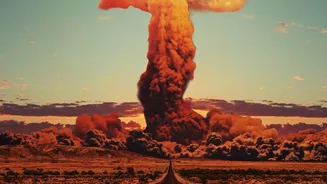

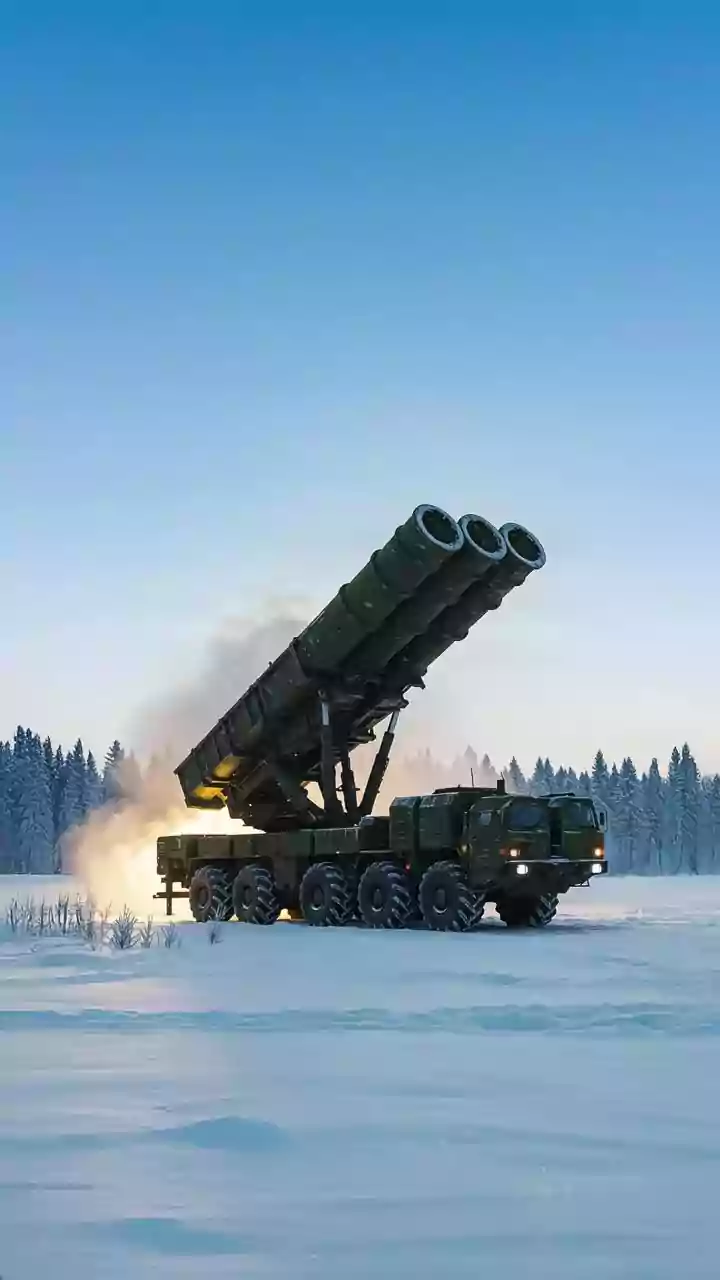





A Hidden Frontline
When we think of war, we picture strikes on military bases, airfields, and weapons depots. But in Iran, many of these strategic sites are deliberately or coincidentally located near essential civilian facilities. This includes power plants, water desalination
facilities, dams, oil refineries, and major ports. Recent analysis and media reports have highlighted how this proximity creates a hidden frontline where the risk of collateral damage is immense. The discussion has recently intensified around Iran's extensive network of dams, with some speculation that they could have dual civilian and military purposes, a claim Iranian officials strongly deny. This 'dual-use' debate complicates targeting assessments and raises the stakes for civilian populations.
The Problem of Proximity
The strategic placement of military assets near civilian life is not unique to Iran, but the concentration of critical infrastructure creates a unique set of risks. A strike aimed at a missile launch site or a nuclear facility could easily go awry, disabling a power grid that serves millions or contaminating a region's primary water source. International law requires militaries to weigh the military advantage of a strike against the potential for civilian harm, but these calculations become incredibly difficult when a power station and a military bunker share a fenceline. For Iran, this proximity could be seen as a defensive strategy—a human and economic shield to deter attacks. For any attacking force, it presents a profound moral and political dilemma, as destroying a nation's ability to provide water or electricity can be seen as a war crime.
Cascading Economic and Human Costs
An attack on this infrastructure would not be a surgical event; it would trigger cascading consequences with global reach. Damage to oil terminals or petrochemical plants in the Persian Gulf would immediately impact global energy markets, spiking prices for countries like India that rely heavily on imports from the region. The conflict could disrupt nearly 20% of the world's seaborne crude oil and LNG exports that pass through the Strait of Hormuz. For the Iranian people, the effects would be devastating and long-lasting. The destruction of power plants, water systems, and transportation networks would lead to a humanitarian crisis, crippling the healthcare system and compounding suffering for millions of civilians long after any fighting stops.
A Dangerous Strategic Game
This situation creates a dangerous strategic game. Iranian officials have warned that if its civilian infrastructure is targeted, they would apply the same 'dual-use' logic to facilities near US and Israeli bases in the region. This rhetoric signals an escalatory ladder where civilian economic and utility sites become deliberate targets, a shift from conventional warfare to a strategy of economic coercion. Recent tensions have seen both sides trade accusations of targeting non-military sites, from data centers and steel mills to grain silos and water factories. This highlights a grim reality of modern hybrid warfare: the systems that support civilian life are now considered part of the battlefield, making any potential conflict exponentially more destructive and harder to contain.