




1. Panchamrit: The Divine Nectar
No Janmashtami puja is complete without Panchamrit, a sacred mixture of five ingredients. Its name translates to "five nectars," symbolizing purity, harmony, and well-being. To prepare this holy offering, simply combine one cup of raw cow's milk with a half
cup of curd (yogurt). To this, stir in one tablespoon of honey, one teaspoon of ghee, and two tablespoons of sugar until everything is gently mixed. Before offering it to the deity, many devotees add a few fresh Tulsi leaves, which are considered sacred in the worship of Lord Krishna. This simple, no-cook recipe is a cornerstone of the festival's rituals.
2. Dhaniya Panjiri: The Traditional Prasad
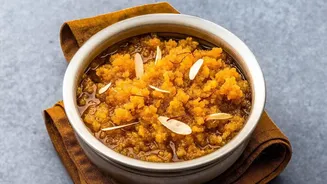
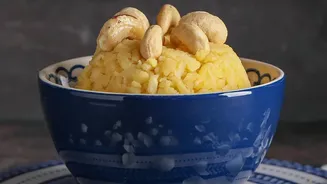
Dhaniya Panjiri is a unique prasad made especially for Janmashtami, as many devotees fast from grains. This version uses coriander seed powder as its base, giving it a distinct, aromatic flavor. To begin, dry roast one cup of coriander seeds on low heat until they become fragrant, then let them cool and grind them into a coarse powder. In a pan, heat three to four tablespoons of ghee and lightly roast a quarter cup of chopped almonds and cashews. Add the coriander powder and roast for another minute. Turn off the heat and let the mixture cool slightly before adding a half cup of powdered sugar, grated coconut, and a pinch of cardamom powder. Mix everything well before serving.
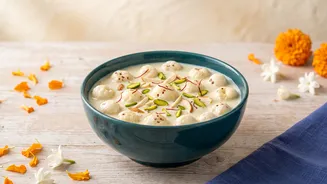
3. Makhana Kheer: A Creamy Delight
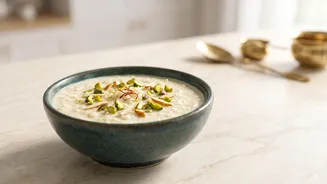
Makhana Kheer, or fox nut pudding, is a light yet rich dessert perfect for festive fasting. Start by dry roasting one cup of makhana in a pan until they are crisp. Let them cool and then coarsely crush about half of the roasted makhana, leaving the rest whole for texture. In a separate, heavy-bottomed pan, bring 500 ml of full-cream milk to a boil. Add both the whole and crushed makhana to the simmering milk and cook on low heat for 10-12 minutes, or until the makhana softens. Stir in sugar or jaggery to your desired sweetness, along with a pinch of cardamom powder and a few strands of saffron for color and aroma. Garnish with chopped nuts and serve it either warm or chilled.
4. Gopalkala: Krishna's Favourite Savoury Snack
Gopalkala is a simple, savoury dish that is believed to be a favorite of Lord Krishna. It's a refreshing mix of flattened rice (poha), yogurt, and fresh vegetables, making it a wholesome offering. To make it, first soak one cup of thick poha in water for a few minutes, then drain it completely and set it aside. In a bowl, combine the soaked poha with a half cup of curd, a finely chopped cucumber, and some grated fresh coconut. For the tempering, heat a teaspoon of ghee in a small pan, add cumin seeds, and let them crackle. You can also add finely chopped green chillies. Pour this tempering over the poha mixture, add salt to taste, and mix everything gently.
5. Coconut Ladoo: The Instant Sweet Treat
These quick and easy coconut ladoos are a festival favorite that require just a few ingredients. In a pan, lightly roast two cups of desiccated coconut for a couple of minutes over low heat to make it fragrant. Then, add one cup of condensed milk and stir continuously. Cook the mixture on low heat, stirring until it thickens and starts to leave the sides of the pan. This should take about five to seven minutes. Turn off the heat, mix in a half teaspoon of cardamom powder, and allow the mixture to cool down just enough so you can handle it. Grease your palms with a little ghee, take small portions of the mixture, and roll them into round ladoos. You can roll the finished ladoos in some dry desiccated coconut for a final touch.
6. Sabudana Khichdi: The Perfect Fasting Food
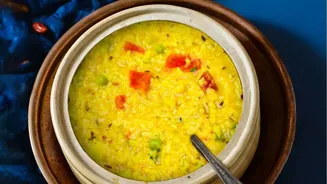
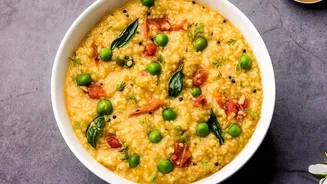
Sabudana Khichdi is a popular dish during Hindu fasting periods, providing energy and flavor. The key to a perfect, non-sticky khichdi is in the soaking. Rinse one cup of sabudana (tapioca pearls) thoroughly until the water runs clear, then soak it in just enough water to cover the pearls for at least four to five hours or overnight. Once soaked, heat two tablespoons of ghee or oil in a pan. Add a teaspoon of cumin seeds, followed by chopped green chillies and curry leaves. Add one diced potato and cook until it's tender. Finally, add the drained sabudana, roasted and crushed peanuts, and rock salt (sendha namak). Cook, stirring gently, until the sabudana pearls turn translucent. A squeeze of lemon juice at the end brightens the flavors.