




A Familiar Blanket of Smog
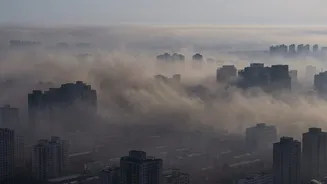
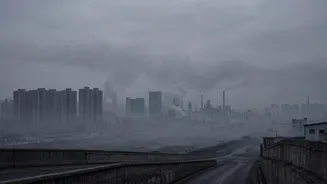
The first weeks of November 2026 have seen Delhi's air quality plummet to critical levels. On the morning of November 13, the city's overall Air Quality Index (AQI) surged to 494, deep into the 'Severe' category. This annual environmental crisis, fuelled
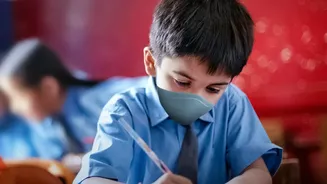
by post-Diwali pollution and stubble burning in neighbouring states, has become a grim ritual for the National Capital Region (NCR). In response, authorities have activated Stage III of the Graded Response Action Plan (GRAP), a set of emergency measures to curb pollution. A key part of this strategy involves advising schools to shift primary classes to a hybrid or fully online model, forcing millions of children out of their classrooms and back behind screens.
The Four-Walled Classroom
The shift to online learning is a difficult echo of the pandemic era. For many children, especially those from low-income families, the challenges are immense. Access to stable internet and suitable devices remains a significant hurdle, widening the educational gap. A nine-year-old, for instance, might struggle to follow a lesson on a borrowed phone with a patchy connection. But beyond the logistical and educational disruptions, the policy of keeping children indoors brings a more insidious threat to the forefront: the impact on their mental and emotional well-being. This recurring confinement is snatching away the simple joys of childhood.
The Invisible Scars of Confinement
While protecting children from toxic air is non-negotiable, experts warn that prolonged indoor time comes at a psychological cost. Reduced playtime, a lack of social interaction with peers, and limited exposure to sunlight can profoundly affect a child's development. Health specialists highlight that when children are unable to play outside, they often turn to screens for entertainment, risking a cycle of digital dependence. This sedentary, isolated lifestyle is a known contributor to rising anxiety and stress. Studies have increasingly shown a link between exposure to air pollutants like PM2.5 and impaired brain development, affecting learning, memory, and emotional regulation. Researchers have noted that short-term exposure to high pollution levels can be linked to more psychiatric-related emergency room visits for children.
A Generation Under Pressure
The physical dangers of Delhi's air are well-documented, with studies finding that nearly one in three schoolchildren in the capital suffer from asthma and airflow obstruction. The fine particulate matter, PM2.5, can penetrate deep into the lungs and even enter the bloodstream, causing a host of health issues. However, the mental health dimension is a growing area of concern for parents and experts alike. A survey conducted in late 2025 and early 2026 found that 86% of children believed polluted air harms their health, and many reported feelings of anxiety and fatigue. The psychological strain is significant, with some experts noting that girls report it more often than boys. Alarmingly, nearly half the children surveyed said they would leave Delhi if given a choice, a stark indicator of the toll the environmental crisis is taking on their sense of safety and well-being.