
What Is a Smoke Point, Anyway?
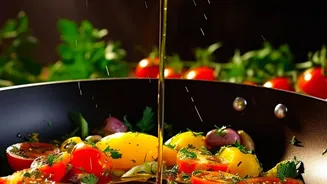
You’ve likely seen it happen: you leave a pan on the stove for a moment too long, and the oil begins to smoke. That visible smoke is a signal that the fat has reached its ‘smoke point’. This is the temperature at which an oil or fat stops shimmering and starts
to break down, producing a bluish smoke. When this happens, the fat not only develops a burnt, bitter taste that can ruin your dish, but its chemical structure also begins to change. This process can release potentially harmful compounds called free radicals and destroy the beneficial nutrients in the oil.
Why High-Heat Cooking Demands the Right Fat
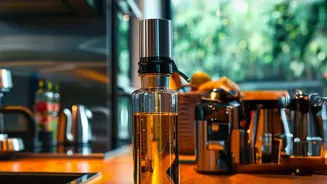
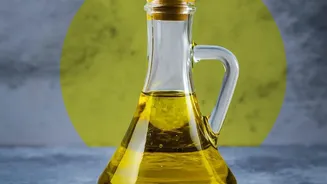
Much of Indian cooking, from a sizzling tadka to deep-frying samosas, happens at high temperatures. Using an oil with a low smoke point for these methods is a common mistake. Fats like unrefined flaxseed oil or even extra virgin olive oil have lower smoke points, making them unsuitable for high heat. When they are heated past their limit, they can oxidize and lose their nutritional value. High-smoke-point fats, on the other hand, are more chemically stable. They can handle the heat without breaking down, ensuring your food tastes better and retains its nutrients. This stability is why chefs and home cooks alike are paying closer attention to the fats they use for different cooking styles.
Ghee: The Traditional Superstar of Stability
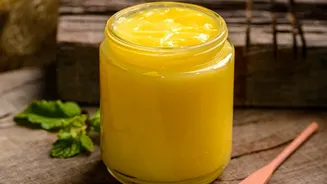
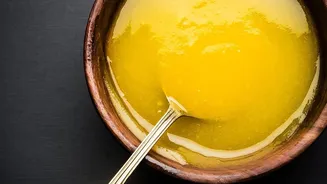
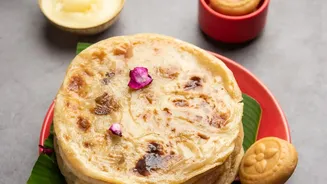
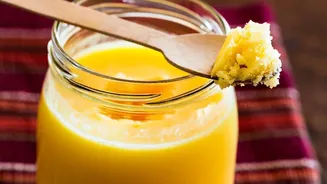
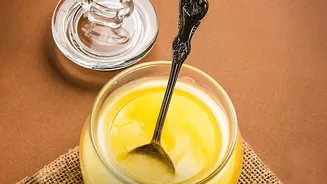
Enter ghee, the golden child of the Indian pantry. Ghee is a type of clarified butter, made by simmering butter to remove the water content and milk solids. This process leaves behind pure butterfat, which has a remarkably high smoke point, typically around 250°C (482°F). This is significantly higher than regular butter, which starts to burn at around 175°C (350°F) because its milk solids scorch quickly. Ghee's stability makes it ideal for nearly all forms of Indian cooking, from sautéing spices to frying pooris, without the risk of burning or generating harmful substances. Furthermore, because the milk solids like lactose and casein are removed, it's often better tolerated by those with dairy sensitivities.
The Modern Twist: Why Infused Ghee Is Trending
While ghee itself is timeless, a new trend is taking hold in modern, wellness-focused urban kitchens: infused ghee. This isn't just about adding flavour; it's about combining the benefits of ghee with the functional properties of herbs and spices. In a way, it’s a practice rooted in Ayurveda, which has long used ghee as a carrier (anupana) to help the body absorb the medicinal properties of herbs. Today's urban home cooks are embracing this concept for its convenience and health halo. Infusing ghee with ingredients like turmeric, garlic, black pepper, or herbs like rosemary and mint is becoming a popular way to elevate everyday meals.
Flavour and Function in One Spoonful
The appeal of infused ghee is twofold. First, it's a fantastic flavour enhancer and time-saver. A spoonful of garlic-infused ghee can transform a simple dal, while a rosemary-infused one adds an aromatic touch to roasted vegetables. It combines fat and seasoning into a single, convenient ingredient. Second, it aligns perfectly with the growing interest in functional foods. For example, infusing ghee with turmeric and black pepper is thought to enhance the absorption of curcumin, turmeric's anti-inflammatory compound. Other popular infusions include Ayurvedic herbs like ashwagandha or Brahmi, sought for their adaptogenic and cognitive benefits. This marriage of traditional wisdom with modern convenience makes infused ghee a perfect fit for the contemporary Indian kitchen that values both health and flavour.