





Why Big Fitness Goals Often Fail
Many of us begin a fitness journey with huge ambitions. We commit to working out an hour every day, overhauling our diet, and transforming our lives overnight. While admirable, this 'all-or-nothing' approach often leads to burnout. The sheer scale of the
commitment can feel overwhelming, and the first time we miss a session, it’s easy to feel defeated and give up entirely. Psychologically, our brains are wired to resist drastic, high-effort changes. This isn't a failure of willpower; it's a predictable response to setting the bar too high, too soon. Grand plans create high friction, and the brain hates friction.
The Power of the Habit Loop
Lasting habits are built on consistency, not intensity. According to psychologists, habits form through a simple neurological process known as the 'habit loop', which consists of a cue, a routine, and a reward. The routine is the action itself—in this case, the workout. The magic of a 10-minute workout is that it makes the routine incredibly easy to complete. By repeating this small action daily, you strengthen the neural pathways in your brain, making the behavior more automatic over time. The reward isn't just the post-exercise endorphin rush; it's the small, daily victory of having shown up for yourself. This consistent reinforcement is far more powerful for long-term adherence than sporadic, grueling sessions.
Making It Too Easy to Say Yes
One of the biggest hurdles to exercise is the internal negotiation we have when we don't feel motivated. It’s easy to find an excuse to skip a 60-minute workout. You're too tired, too busy, or just not feeling it. But it’s much harder to justify skipping a 10-minute one. This is the strategic genius of starting small. A 10-minute commitment dramatically lowers the barrier to entry, making it almost absurdly simple to get started. It removes the pressure and mental load associated with a big workout. The goal isn't to have a perfect, intense workout every day. The goal is to simply do it, building the identity of 'someone who exercises daily'.
Introducing 'Exercise Snacking'
The concept of short, manageable workouts has a name: 'exercise snacking'. This approach involves breaking up physical activity into small 'bites' throughout the day. And science shows it works. Research indicates that these short bursts of activity can provide significant health benefits, including improved cardiovascular health, better blood sugar regulation, and enhanced mood. Studies have found that accumulating exercise in multiple short bouts is just as effective for overall health as one continuous long session. So, that 10-minute brisk walk or quick bodyweight circuit isn't just a placeholder—it's a genuinely effective workout that contributes to your weekly activity goals.
What Can You Do in 10 Minutes?
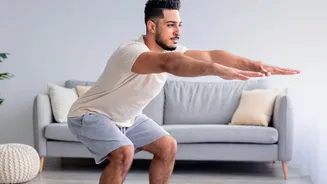
The beauty of a 10-minute workout is its flexibility. You don’t need special equipment or a trip to the gym. The possibilities are endless, but the key is to choose something you find at least mildly enjoyable. Examples include a brisk walk around the block, climbing stairs, or doing a few rounds of bodyweight exercises like squats, push-ups, and planks. You could put on a favorite song and dance, do a quick yoga or stretching routine, or follow a guided 10-minute HIIT video online. The specific activity matters less than the act of moving your body consistently. Remember, the primary goal here is habit formation.
Building Momentum for the Long Haul
A 10-minute daily workout is not necessarily the end goal, but it is the perfect starting point. Once the habit of exercising daily is firmly established, something interesting often happens: you start to want more. That 10-minute walk might naturally extend to 15 or 20 minutes because it feels good. You might add more challenging exercises to your routine as you get stronger. This organic growth is far more sustainable than forcing yourself into a demanding regimen from day one. By starting small, you build momentum and confidence. You prove to yourself that you can stick with it, which makes it easier to gradually increase the duration or intensity over time when you feel ready.