






The End of the Orange Paper Card
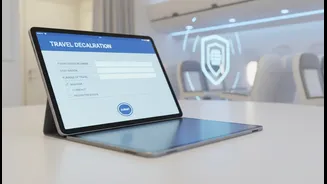
For years, the final step before landing in Australia was filling out the orange Incoming Passenger Card. That era is officially ending. In July 2026, the Australian government announced it is phasing out the paper cards and replacing them with a new
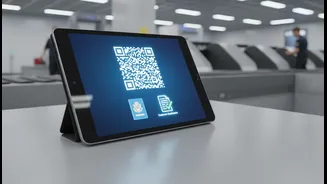
digital system called the Australia Travel Declaration (ATD). This is not the first attempt at a digital system; a previous version called the Digital Passenger Declaration (DPD) was launched and quickly scrapped in 2022. However, after a successful pilot with over 450,000 passengers since late 2024, the ATD is being rolled out nationwide. This new system allows travellers to submit their personal details, customs information, and biosecurity declarations online up to 72 hours before their flight, receiving a QR code to be scanned on arrival.
When and Where is This Happening?
The key question for travellers is about timing. The rollout is a phased process, not an overnight switch. The ATD has already been trialled on select Qantas flights into Sydney, Melbourne, and Brisbane. The government has confirmed the system will expand to Adelaide and Perth airports before the end of 2026. Following that, a full national rollout to all remaining international airports and seaports will occur over the next 12 to 18 months, concluding around mid-2028. Initially, the declaration will be available via a webform, with plans to integrate it into more airline apps over time. During this transition, travellers must check which system applies to their specific arrival airport. If the digital system isn't active for your flight, you will still need to complete the traditional paper card.
Australia’s Strict Biosecurity: Why It Matters
Australia's biosecurity laws are among the strictest in the world, designed to protect its unique environment and multi-billion dollar agriculture industry from foreign pests and diseases. For travellers from India, this requires careful attention, as many common food items, homemade snacks, and religious articles can pose a biosecurity risk. Items that must be declared include all food (packaged or homemade), plant material (like seeds, wood, or flowers), and animal products. This includes things often brought from home, such as spices, pickles, tea, rice, nuts, and certain sweets like burfi and rasgulla, which often contain dairy. Failing to declare items can lead to on-the-spot fines or even visa cancellation. The golden rule is simple: if you are in any doubt, declare it. You will not be penalised for declaring an item, even if it is not allowed into the country.
What You Must Declare: A Practical Guide
Understanding what to declare is crucial. The declaration is not just for fresh produce. Processed and commercially packaged goods must also be declared. Common items Indian travellers should pay attention to include: Food: All food must be declared. This includes packaged snacks, sweets (mithai), spices, lentils, rice, tea, and pickles. While some commercially packaged items may be allowed after inspection, homemade food is a high-risk category. Dairy and meat products, even in small amounts, are of particular concern. Plant and Animal Products: This covers a wide range of goods, from wooden souvenirs and religious items made of plant material to leather goods and traditional medicines (which may contain animal or plant parts). Footwear and Equipment: Any shoes, clothing, or sporting equipment used in rural areas or near farm animals must be declared to ensure they are free from soil and potential contaminants. Declaring these items allows a biosecurity officer to inspect them and make a professional assessment, ensuring a hassle-free entry.
Tips for a Smooth Arrival
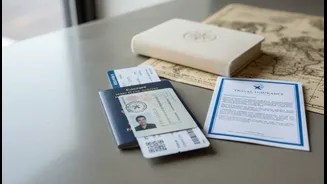
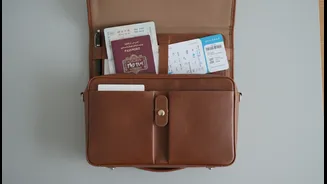
To ensure your arrival in Australia is as smooth as possible, a little preparation goes a long way. Before you fly, check the official Australian Border Force or Department of Home Affairs websites for the latest information on the Australia Travel Declaration rollout at your destination airport. When packing, keep any items you need to declare in an accessible part of your luggage for easy inspection. Fill out your declaration form—whether digital or paper—truthfully and completely. Remember that this is a legal document. Carrying a prescription or a letter from your doctor (in English) is essential for any personal medications. Finally, once the ATD is active for your route, complete it online before you leave for the airport to avoid any last-minute rush and enjoy a more seamless start to your Australian adventure.