



What 'High-Protein' Really Means
Before diving into recipes, it's crucial to understand what 'high-protein' means for a morning meal. While needs vary, a breakfast containing 20 to 30 grams of protein is generally considered effective for promoting fullness and steady energy. Many typical
breakfasts fall short, providing mostly carbohydrates. Achieving a high-protein goal isn't about just adding a sprinkle of seeds; it's about building your meal around a substantial protein source. The key is to be mindful of the quantities of core ingredients, as this is what separates a light snack from a truly protein-rich start to your day.
Moong Dal Chilla: The Savoury Powerhouse
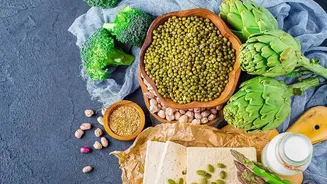
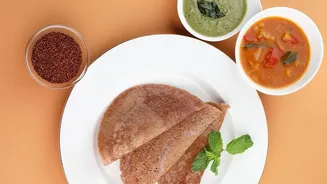
Moong dal chilla, a savoury lentil pancake, is a classic high-protein Indian breakfast. But its protein content depends entirely on how you make it and how much you eat. A single, medium-sized plain chilla might offer around 6-9 grams of protein. To turn it into a truly high-protein meal, you'll need a serving of two or three chillas. To boost it even further, adding a stuffing of crumbled paneer is a game-changer. Just 30 grams of paneer can add an extra 6 grams of protein per chilla, easily pushing a two-chilla serving into the 25-30 gram range.
Paneer or Tofu Bhurji: A Filling Scramble
For those who miss a savoury scramble, paneer or tofu bhurji is the perfect egg-free alternative. Both are excellent protein sources, but their nutritional profiles differ. Per 100 grams, paneer and firm tofu offer a similar amount of protein, typically around 18-20 grams. However, paneer is higher in fat and calories, while tofu is lighter. A generous serving of 150 grams of paneer bhurji can deliver over 30 grams of protein, making it one of the most efficient ways to hit your morning goal. A similar portion of tofu bhurji provides a comparable protein punch with fewer calories.
The Fortified Smoothie: Quick and Customisable
A smoothie can be a fantastic vehicle for protein, but a simple blend of fruit and almond milk won't cut it. The secret lies in fortification. Start with a protein-dense base like Greek yogurt, which contains nearly double the protein of regular yogurt. A single cup can provide a substantial amount. From there, add a scoop of plant-based protein powder, which can contribute an additional 20-25 grams. For a whole-food boost, a tablespoon or two of chia seeds or a handful of nuts will further elevate the protein and fibre content, ensuring you stay full for hours.
Upgrading Classics: Poha and Upma
Traditional breakfast dishes like poha and upma are beloved but are often heavy on carbohydrates and light on protein. However, they can be easily upgraded. Instead of relying solely on flattened rice or semolina, think of them as a base. To make poha more filling, you can add soya granules, crumbled paneer, or a generous portion of roasted peanuts and green peas. For upma, cooking it with milk instead of water and stirring in grated paneer or tofu towards the end can significantly boost its protein content. Adding cooked moong or other legumes also contributes valuable protein and fibre.
Chia Seed Pudding: The Prep-Ahead Solution
For busy mornings, a pre-prepared breakfast is a lifesaver. Chia seed pudding is simple, but like smoothies, its protein content is all about the add-ins. Chia seeds themselves offer some protein, about 4-5 grams per two-tablespoon serving. The real power comes from what you mix them with. Using Greek yogurt or blending in cottage cheese can add 12-15 grams of protein. Mixing in a scoop of protein powder can easily bring the total to 30 grams or more. This turns a light, fibrous snack into a substantial, protein-packed meal.