






The Science of Freshness
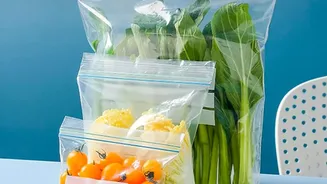
The number one enemy of fresh food is air. Specifically, the oxygen in the air accelerates spoilage through a process called oxidation. When you store a small amount of food in a large container, you are trapping a large volume of air along with it. This
excess oxygen can cause cut fruits and vegetables to brown, fats to turn rancid, and vitamins to degrade faster. A container that snugly fits the food minimizes this empty space, pushing out most of the air and slowing down the decay process. This simple adjustment can extend the life of your leftovers by days. For example, cooked rice might last 6-7 days in a correctly sized container, compared to just 3-4 days in an oversized one.
Reduce Food Waste and Save Money
Confusion over food expiration is a significant driver of household food waste. Storing food properly is one of the most effective ways to combat this. When leftovers are stored in appropriately sized containers, they not only stay fresher but are also more visible and appealing. A giant, half-empty container can look uninviting, making you less likely to eat what's inside. Using smaller, portion-sized containers makes it easy to see exactly what you have. This encourages you to eat your leftovers instead of letting them become a forgotten science experiment in the back of the fridge. Over time, this habit reduces the amount of food you throw away, which directly translates into savings on your grocery bill.
A More Organized and Efficient Kitchen
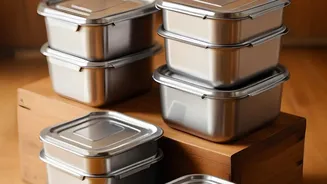
Beyond food preservation, right-sizing your containers brings a sense of order to your kitchen. Stacking smaller, uniform containers is far more space-efficient in both your refrigerator and cabinets than a chaotic jumble of oversized ones. Square and rectangular containers are particularly good at maximizing fridge space, helping to keep the temperature more stable. This organization isn't just about aesthetics; it’s about function. When you can easily see everything you have, you’re less likely to buy duplicates of ingredients you already own. An organized fridge allows for better airflow, which is crucial for maintaining a consistent, safe temperature below 40° F.
Mindful Eating and Effortless Portion Control
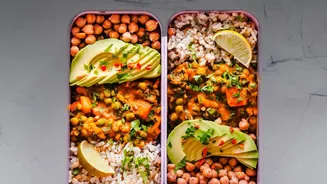
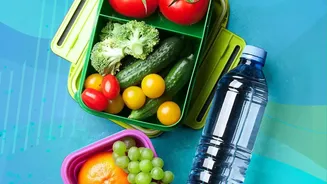
Portion control containers are popular tools for health and fitness for a reason: they work. By using containers that hold a single serving, you can automate the process of managing your food intake without needing to count calories obsessively. This practice promotes mindful eating, helping you become more aware of appropriate portion sizes. When you cook a large batch of a meal, dividing it immediately into individual portions for the week ahead is a powerful strategy. Not only does this make grab-and-go lunches easier, but it also ensures each portion stays fresher for longer, as you are not repeatedly exposing the entire batch to air every time you serve yourself.
Choosing the Right Tools for the Job
To successfully right-size your storage, you need a versatile collection of containers. Aim for a variety of small and medium sizes, which will cover most leftover scenarios. Airtight seals are non-negotiable for keeping food fresh and preventing leaks. While lightweight plastic is convenient, many find that glass containers are a worthy investment. Glass is non-porous, meaning it won’t absorb stains or odors, and it provides a superior airtight seal that can keep food fresh even longer. Regardless of material, having a set of containers that fit your typical meal sizes is the most important factor. By matching the container to the portion, you create the ideal micro-environment for your food.