





Observation, Not Intervention
First, let's clear up a common point of confusion. Breath awareness is different from 'breathwork'. Breathwork involves actively changing your breathing pattern—think of techniques like box breathing or the 4-7-8 method, which are designed to create a specific
physiological response. Breath awareness, on the other hand, is passive. It is the simple, gentle practice of observing your breath exactly as it is, without trying to 'fix' or change it in any way. You're not forcing a deep belly breath or judging a shallow one; you are simply becoming a curious, non-judgmental observer of your own body. The goal is not to perform a technique perfectly, but to build a relationship with your internal state.
The Power of the Present Moment
So, why would simply watching something that happens automatically be relaxing? Because your breath only ever happens right now. You can't breathe in the past or the future. When your mind is caught in a loop of worry about tomorrow or regret about yesterday, gently turning your attention to the physical sensation of breathing anchors you in the present moment. This act serves as a quiet interruption to spiraling thoughts. It’s not about stopping your thoughts, which is often impossible, but about giving your attention something else to rest on—the subtle rise and fall of your chest, the feeling of air at your nostrils. This shift can help dial down the body's 'fight-or-flight' response and activate the calmer 'rest-and-digest' system.
A Simple Practice to Begin
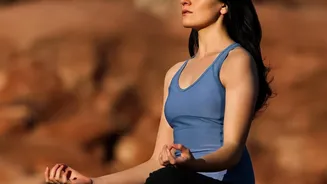
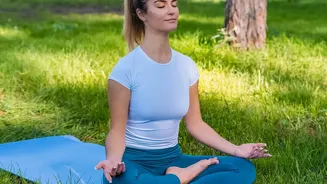
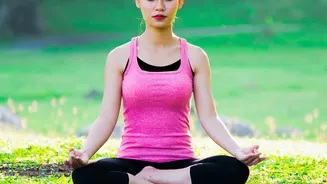
You don't need a special cushion or a silent room, though they can be nice. You can do this right now, wherever you are. Start by finding a comfortable position, either sitting or lying down. You can close your eyes or just soften your gaze. Begin by simply noticing that you are breathing. Don't try to change anything. Just bring your awareness to the physical sensations. Where do you feel the breath most clearly? It might be the cool air in your nostrils, the movement in your chest, or the gentle rise and fall of your abdomen. Rest your attention there. Your mind will wander. That's not a failure; it's just what minds do. When you notice your thoughts have drifted, gently and without judgment, guide your attention back to the sensation of your breath. Try it for just one minute.
Integrating Awareness Into Your Day
The beauty of breath awareness is its accessibility. You can practice it for a few moments at any point in your day. Try a 'breathing space' while waiting for your computer to boot up, while standing in a queue, or just before you drift off to sleep. You might notice your unconscious breathing habits for the first time—perhaps you hold your breath when you're concentrating or take shallow sips of air when you're anxious. You can't change what you don't notice. This practice isn't about adding another task to your to-do list, but about weaving small moments of mindful presence into the life you already have. Over time, this can help you become more attuned to your body's stress signals and better able to respond to them with intention rather than reacting automatically.
Managing Your Expectations
It's important to remember that breath awareness is a gentle tool, not a magic cure. Some days, focusing on the breath will feel calming and centering. Other days, it might feel frustrating as your mind seems determined to wander. Both experiences are normal and part of the process. The goal isn't to achieve a perfectly silent mind or a state of permanent bliss. Instead, the practice is in the returning—gently bringing your focus back to the breath again and again. This builds mental resilience and a kinder relationship with yourself. It's a practice of quiet observation that offers a space to simply be, without the pressure to achieve anything, providing moments of calm respite in a busy world.