


The Misunderstood Marvel: Ghee
For decades, ghee was unfairly villainised. Labelled as an unhealthy fat, it was pushed to the back of the pantry in favour of imported olive oils. But the comeback has been spectacular. We now know that pure, homemade ghee is a powerhouse of nutrition.
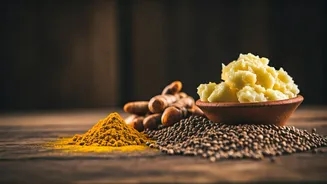
It’s rich in fat-soluble vitamins like A, D, E, and K, and contains butyric acid, a short-chain fatty acid that is great for gut health and reducing inflammation. Nutritionists and wellness influencers are now championing ghee for everything from cooking to adding a spoonful to morning coffee. This isn’t a new discovery; it’s a re-discovery of what our grandmothers knew all along: that this golden liquid is not just a cooking medium, but a medicinal food that lubricates joints, nourishes the skin, and aids digestion.
The Ancient Grains: Millets
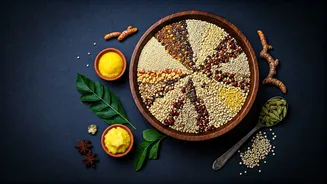
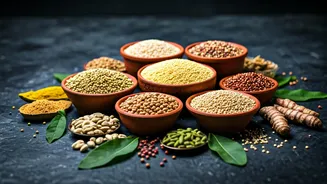
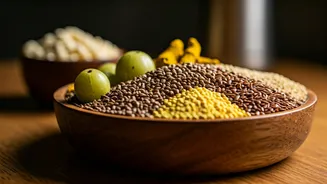
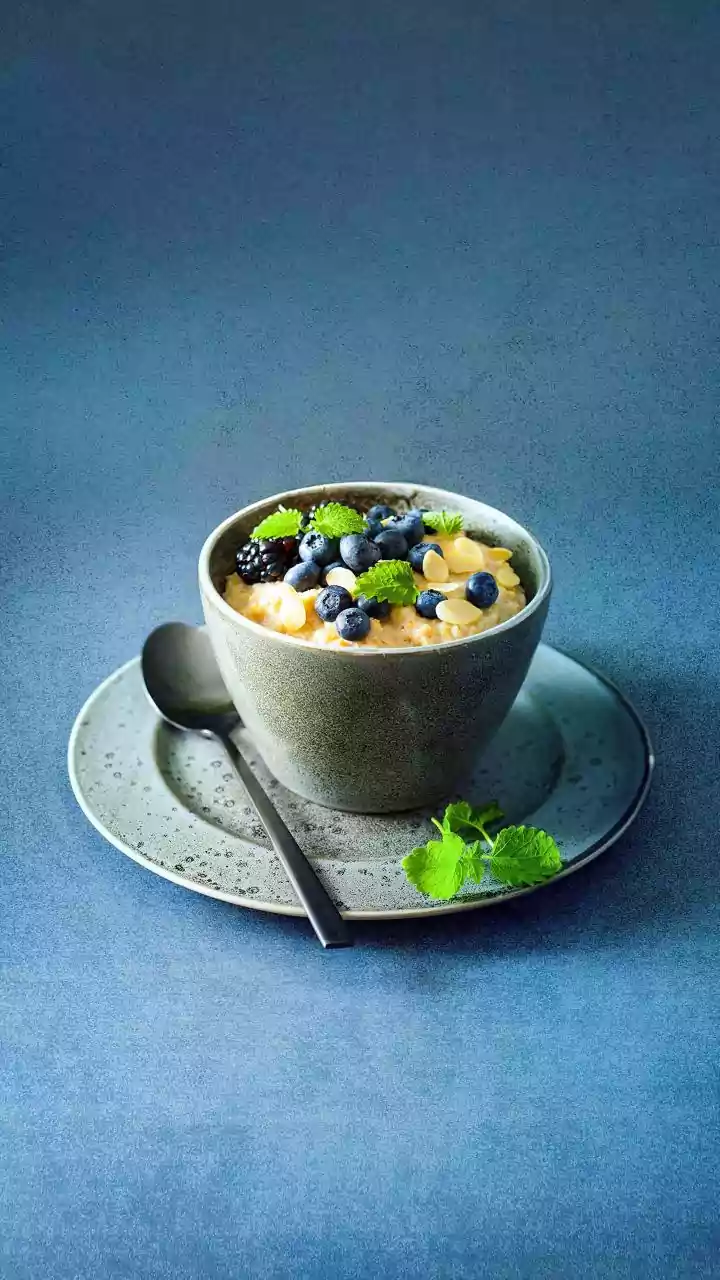
Not long ago, millets like ragi, jowar, and bajra were dismissed as ‘coarse grains’ or food for rural populations. Now, they are the undisputed stars of the health food scene, celebrated globally with the UN declaring 2023 the International Year of Millets. Why the sudden fame? Millets are gluten-free, have a low glycaemic index, and are packed with protein, fibre, and micronutrients. They are incredibly versatile, finding their way into everything from dosas and rotis to modern-day porridge bowls and energy bars. More importantly, they are climate-resilient crops, requiring far less water than rice and wheat. This comeback is a win-win: great for our health and for the planet. They are proof that sustainable, local eating is the future.
The Immunity Powerhouse: Amla
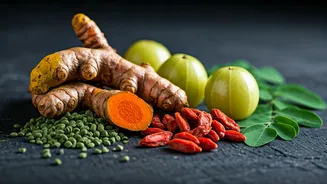
The humble Indian gooseberry, or amla, is perhaps the most potent example of a desi superfood. While we chased after exotic berries for their antioxidant properties, we had a superior source growing right in our backyards. A single amla contains nearly 20 times the vitamin C of an orange, making it one of nature’s most powerful immunity boosters. Traditionally consumed as murabba, pickles, or juice, amla is now available in convenient powders, capsules, and candy-like shots. Its resurgence is tied to the post-pandemic global focus on immunity. People are finally realising that building a strong defence system doesn’t require expensive supplements, but can be achieved through potent, local ingredients that have been part of Ayurvedic traditions for centuries.
The Golden Healer: Turmeric
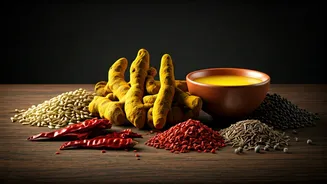
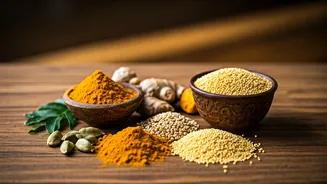
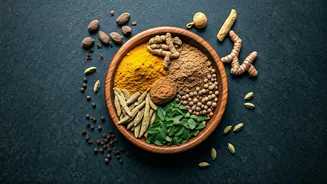
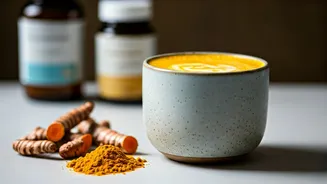
Turmeric went on a world tour and came back a superstar. What started as a staple in every Indian spice box became the global phenomenon known as the 'golden latte'. The West may have discovered it recently, but we have been using 'haldi' for its antiseptic and anti-inflammatory properties for millennia. The key is curcumin, its active compound, which is a powerful antioxidant. The modern comeback sees turmeric being used not just in curries, but in smoothies, face masks, teas, and health supplements. This global recognition has had a wonderful ripple effect, making us look at this everyday spice with renewed respect and pride, moving it from the kitchen shelf to the wellness cabinet.
The Miracle Tree: Moringa
Often called the 'drumstick tree', every part of the Moringa oleifera is a nutritional treasure. Its leaves, in particular, are making waves. They are loaded with vitamins A and C, calcium, potassium, and protein. Once a simple ingredient in regional dishes like sambar, moringa is now sold as an expensive green powder in international health stores. Back home, this has sparked a revival. Urban consumers are seeking it out, adding the powder to their smoothies or cooking the fresh leaves as a vegetable. It’s a classic story of us appreciating our own resources more once they get a stamp of approval from the West, but the end result is a welcome one: the rediscovery of a highly sustainable, nutrient-dense food that thrives in our climate.