



Why Humidity Is Your Pantry’s Worst Enemy
During the Indian monsoon, humidity levels can soar to between 80% and 95%. This extreme moisture in the air is the primary culprit behind accelerated food spoilage. It creates an ideal breeding ground for mould, bacteria, and pests like weevils, which
thrive in damp, warm conditions. Dry goods like flour, rice, and biscuits absorb this airborne moisture, causing them to lose their texture, clump together, and spoil. Cooked food also goes bad much faster. Understanding this simple science is the first step toward protecting your food and your budget.
Seal Your Staples: Grains, Flours, and Pulses
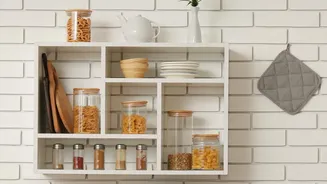
The single most important change you can make is to transfer dry goods out of their original paper or plastic bags immediately after purchase. These bags are not designed to protect against high humidity. Invest in good-quality airtight containers, preferably made of glass or stainless steel, as they don't absorb moisture or odours. For staples like rice, dal, and atta, this simple switch can prevent clumping and weevil infestations. As a traditional and effective trick, adding a few dried bay leaves or neem leaves to your grain containers can act as a natural insect repellent. Some also suggest lightly roasting items like sooji (rava) and flour to remove excess moisture before storing them.
Keep Spices Pungent and Powders Dry
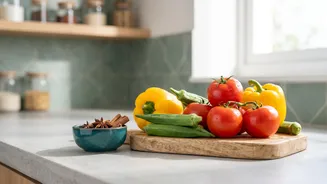
Spices are the heart of Indian cooking, but humidity is their biggest enemy, causing them to lose their potent aroma and cake into hard lumps. Cardboard boxes and flimsy packets offer little protection. Transfer all your masalas into individual airtight glass jars with tight-fitting lids. Always use a completely dry spoon when scooping out spices, as even a tiny drop of moisture can ruin the contents. It’s also wise to store your spice rack in a cool, dry cabinet away from the steam of the stove and the dampness of the sink area.
Managing Fresh Produce and Vegetables
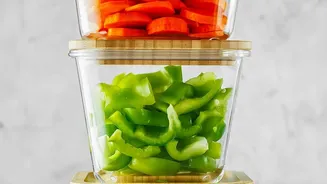
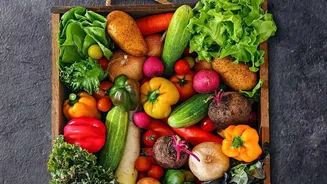
Fresh produce is particularly vulnerable during the monsoon. Leafy greens can wilt and rot quickly, while other vegetables are prone to mould. The key is to manage moisture. It is often better to wait to wash produce until right before you cook, as storing them wet accelerates spoilage. For leafy greens like spinach, you can wrap them in paper towels to absorb excess moisture before placing them in a container in the refrigerator. For other vegetables, ensure they are dry before storing them. Proper refrigeration is crucial, as the cool temperature slows down the growth of microorganisms.
Protect Crispy Snacks and Leftovers
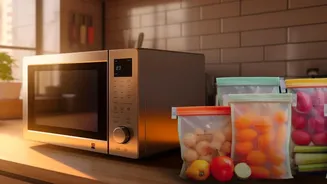
There's nothing more disappointing than reaching for a biscuit or a chip only to find it has gone soft and stale. This is a direct result of humidity. Immediately transfer snacks from their original packaging into airtight jars to preserve their crunch. Adding a few grains of uncooked rice or even a small sachet of salt inside the container can help absorb any intrusive moisture. For cooked food, avoid leaving it exposed at room temperature for long, as this encourages bacterial growth. Store leftovers in the refrigerator as soon as they cool down, and ensure containers are sealed properly.
Smart Habits for a Monsoon-Ready Kitchen
Beyond containers, a few smart habits can make a big difference. First, avoid storing food bags directly on the floor, especially concrete or tile, which can transfer dampness; use a wooden plank or shelf instead. During the monsoon, it's better to buy perishable items in smaller quantities more frequently to ensure they are used up before they can spoil. Finally, keep your kitchen well-ventilated whenever possible and regularly clean and disinfect surfaces, as moist conditions encourage bacterial growth on counters and cutting boards.