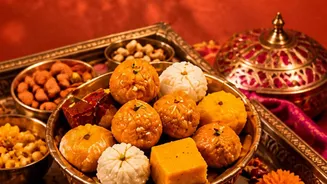

A Taste of Devotion
The story of Mathura Peda is inseparable from the city’s identity as the birthplace of Lord Krishna. For centuries, the Braj region has been a centre of Krishna devotion, with milk and dairy products forming the heart of its cuisine. Legends suggest the peda
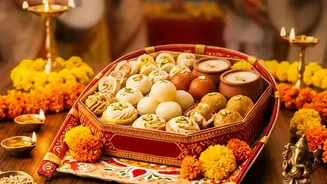
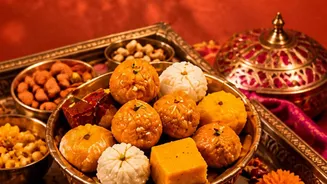
originated here, deeply connected to the pastoral life of Krishna. It’s not just a dessert but a sacred offering, or 'prasad', distributed in temples and shared during festivals like Janmashtami and Diwali. For millions of devotees, a visit to Mathura or Vrindavan is incomplete without taking home a box of these sweets, which serve as a blessed symbol of their pilgrimage.
The Secret is in the Simmer
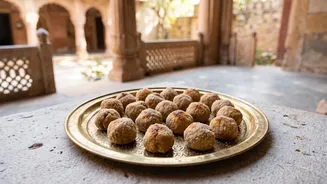
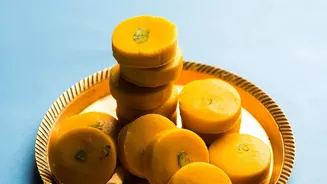
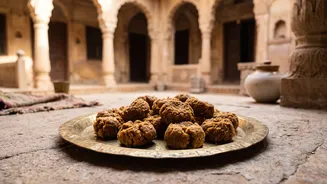
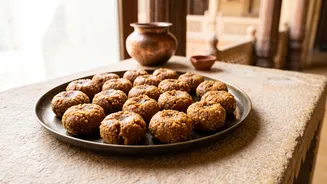
What gives the Mathura Peda its signature light brown colour and 'danedar' (grainy) texture is a testament to the art of patience. The process begins with khoya, or mawa, which are milk solids obtained by slowly reducing full-fat milk for hours in a large kadhai. This khoya is then roasted, continuously stirred over a low flame until it darkens and releases a rich, nutty aroma. This slow-roasting process caramelises the milk solids, creating the peda's distinctive flavour and colour. After roasting, 'tagar' or 'bura'—a special kind of grainy powdered sugar—is mixed in while the khoya is still warm, along with a hint of cardamom for fragrance. This specific type of sugar, unlike regular powdered sugar, doesn't fully dissolve, contributing to the famous melt-in-the-mouth grainy feel.
An Emblem of Mathura
Beyond its religious significance, the peda is a cornerstone of Mathura's identity and economy. The phrase 'Mathura ka Peda' has become a brand in itself, a fixed term used in folklore and daily conversation that signifies unmatched quality. Numerous sweet shops, some generations old, line the city's lanes, their businesses centred on this single product. The sweet has become such a powerful symbol that an application has been filed to secure a Geographical Indication (GI) tag for it. This tag would offer legal protection against imitations and formally recognise the peda as a unique heritage product of the region, ensuring that the authentic preparation methods are preserved. However, the process, which began several years ago, is still ongoing as of late 2026.
Authenticity in Every Bite
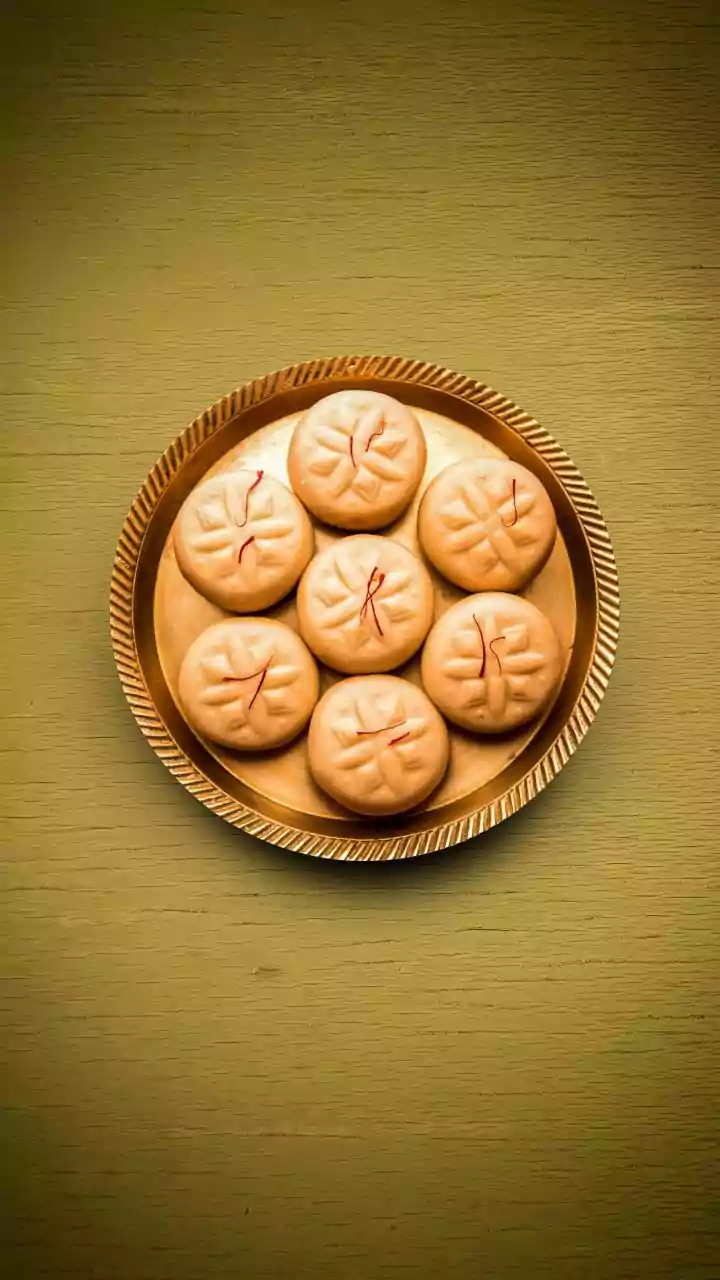
With its fame comes the challenge of imitation. The market is flooded with quicker, inferior versions often made with milk powder or impure khoya. Authentic Mathura Peda, however, relies on a simple list of high-quality ingredients: pure milk, sugar, and cardamom. There are no shortcuts. The traditional method is a labour of love, and locals will tell you that the true taste comes from fresh, locally sourced milk and the meticulous roasting process. The resulting product is soft yet firm, moderately sweet, and deeply aromatic—a standard against which other pedas are often measured. It’s a craft, a piece of culinary history passed down through generations of 'halwais' (sweet makers) who consider their work a form of spiritual service.